
Made in Taiwan
When buying local is a political act…
I moved to a new apartment last month, and so far, so good. Having a scooter parking space in the basement is life-changing (as is being only two minutes from the MRT).
I have a 3 m² garden on my balcony, where I’m growing mint, parsley, and some plant that apparently deters mosquitoes.
Life is good.
But, unlike where I lived for the past three years, my new apartment came unfurnished. So for a couple of weeks, buying furniture and appliances became a full-time endeavor. I’ve thought a lot about why this ended up being so complicated and so time-consuming, and I think it comes down to these five points:
- Unlike in New Zealand, in Taiwan there are dozens and dozens of options for buying furniture and appliances—so comparison shopping takes a while
- Kaohsiung’s a big city, so traveling between stores can take up to 45 minutes each time
- My apartment’s small, so I had to consider different combinations of items to make things fit
- My apartment has no closets, so I had to think about storage options
- I wanted to buy local
That last point is especially significant because so much of what we buy here is usually made in China.
But recently, China’s been a problematic neighbor:
- Chinese cyberattacks on Taiwan infrastructure averaged 2.6 million a day in 2025 (Reuters, January 2026)
- China incursions surge 15-fold (Taipei Times, February 2026)
- China is practicing a Taiwan blockade with a floating Great Wall (Forbes, January 2026)
- 20 Taiwanese detained or missing in China in January (Taiwan News, February 2026)
So, in this context, buying local has become a political act.
When looking for furniture and appliances, I tried to avoid imports from China. I don’t want to contribute to the CCP’s tax take. (Having said that, cost factored into my thinking, and few times I caved and bought Chinese-made products. But only a few times. Mostly stuff from IKEA.)
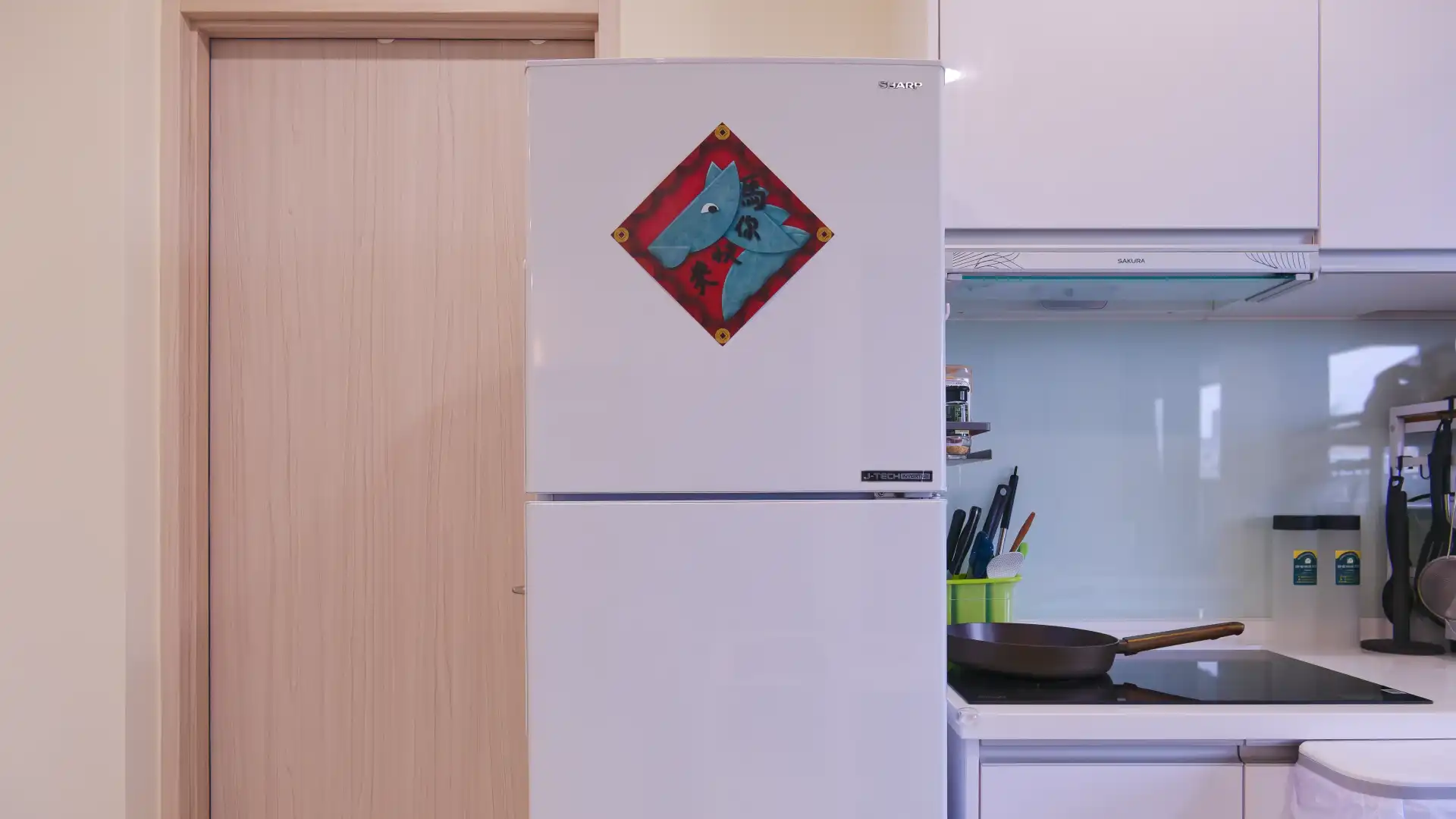
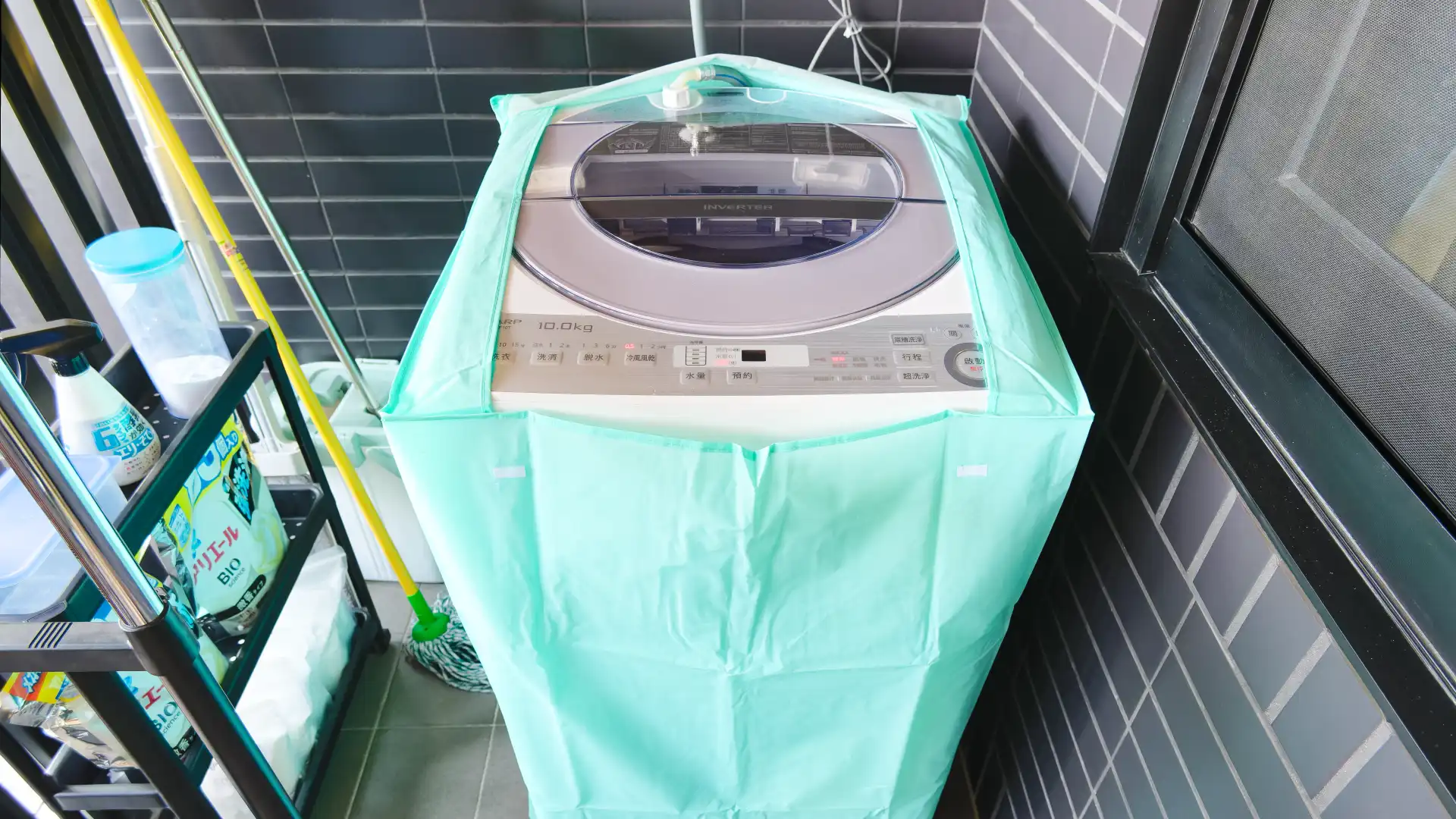
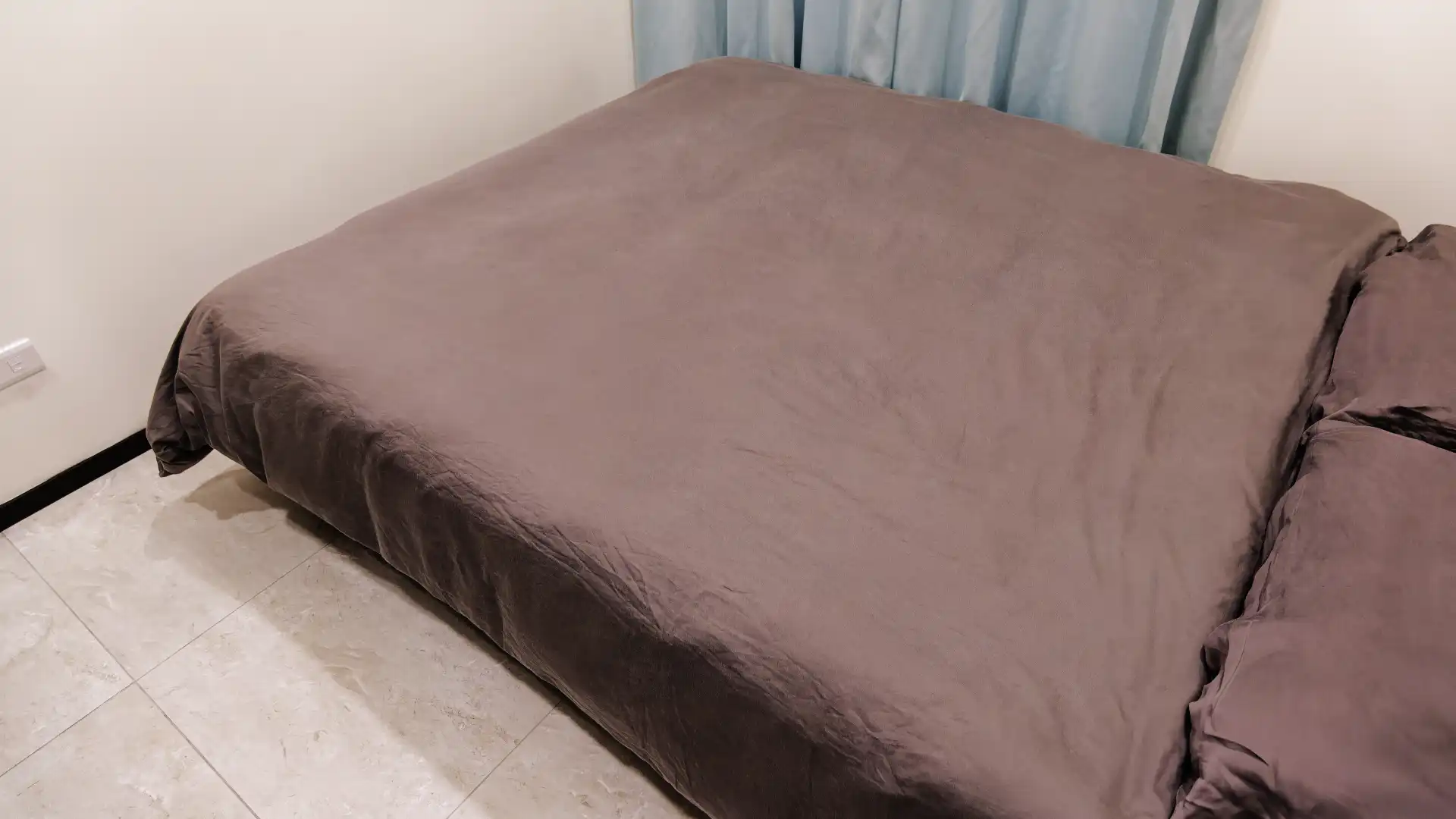
Here are photos of everything else I got—proudly made in Taiwan, or at least made by Taiwanese companies:
Fridge
Washing machine
Mattress
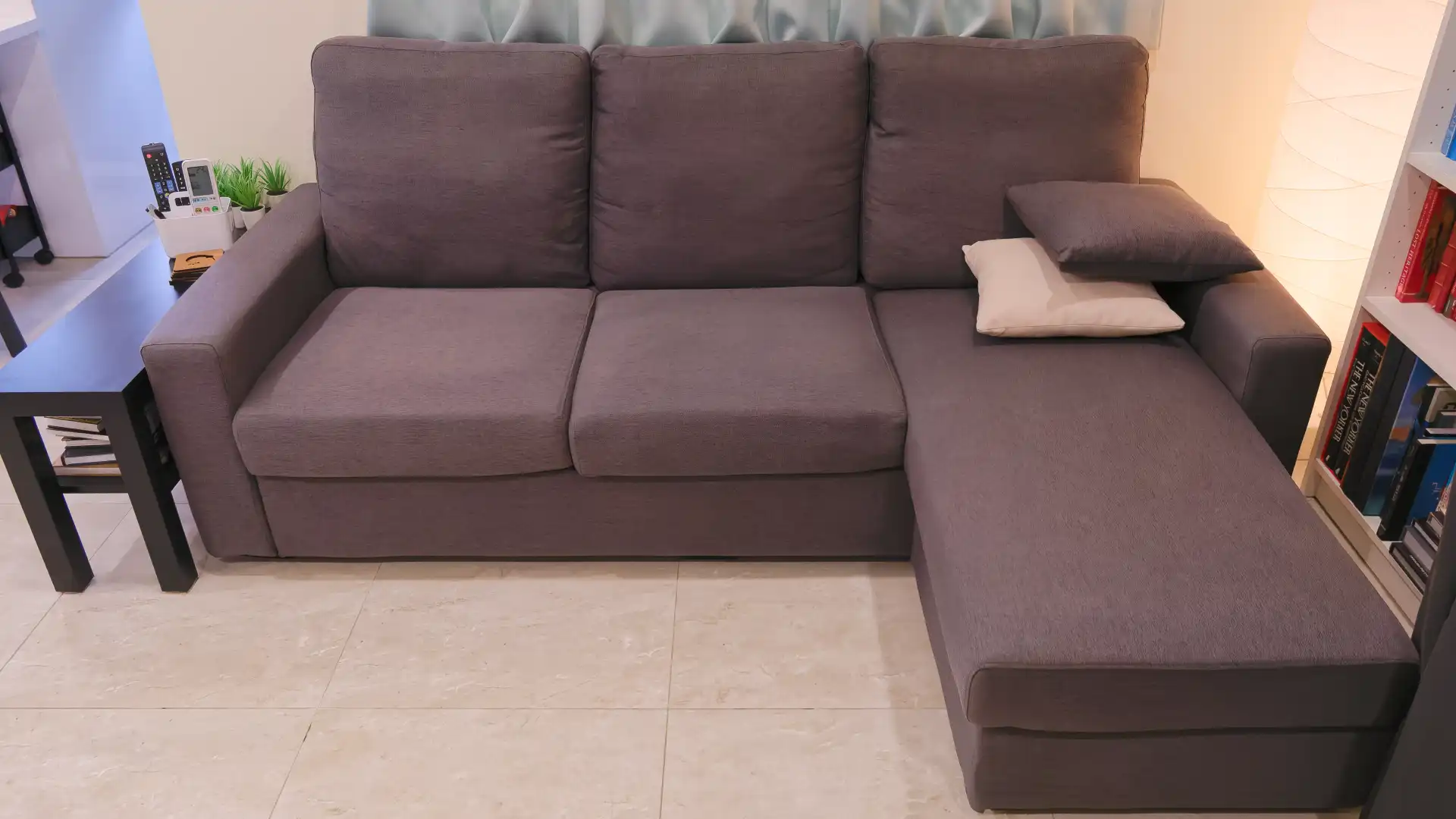
Couch
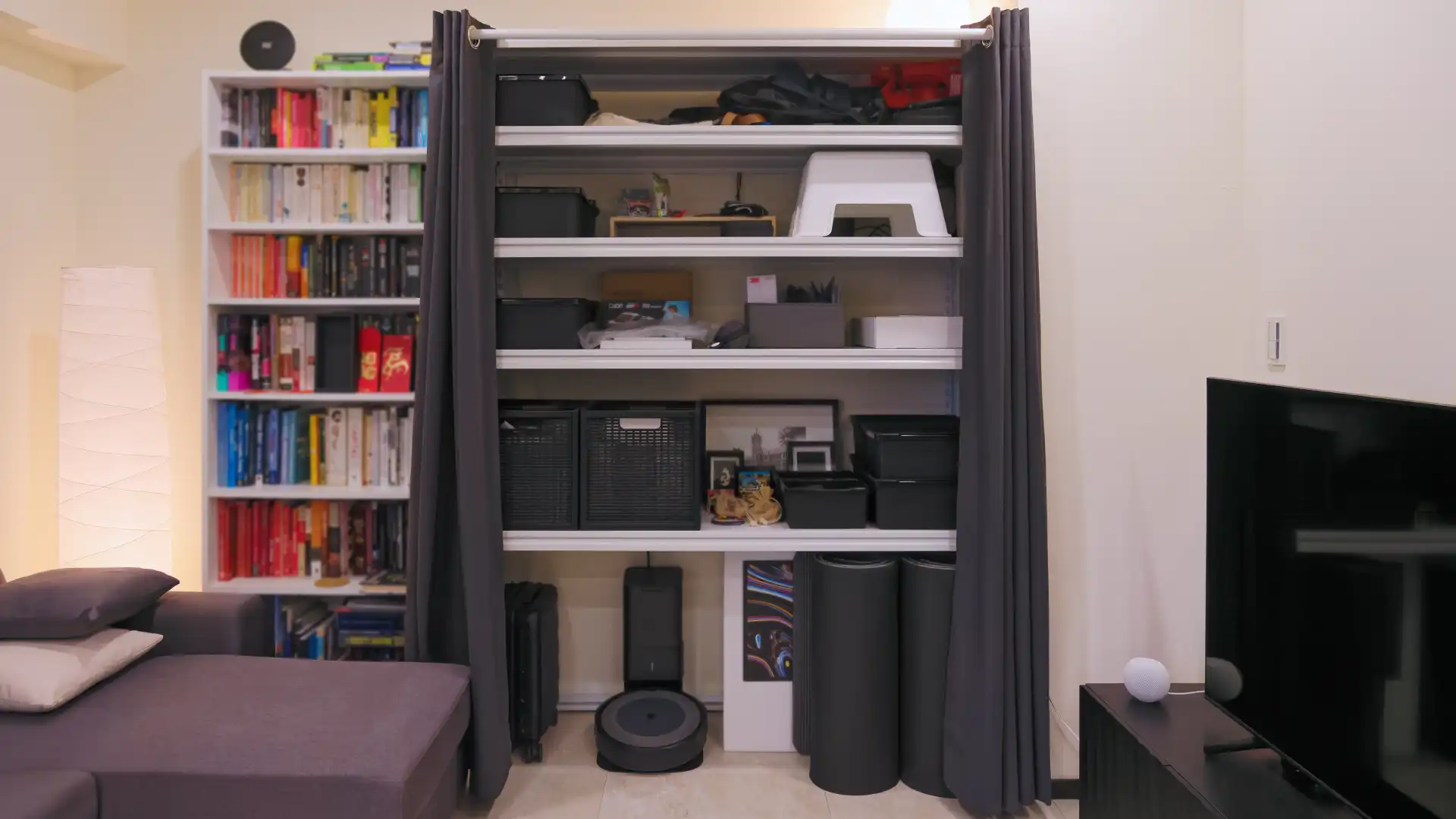
Shelving unit
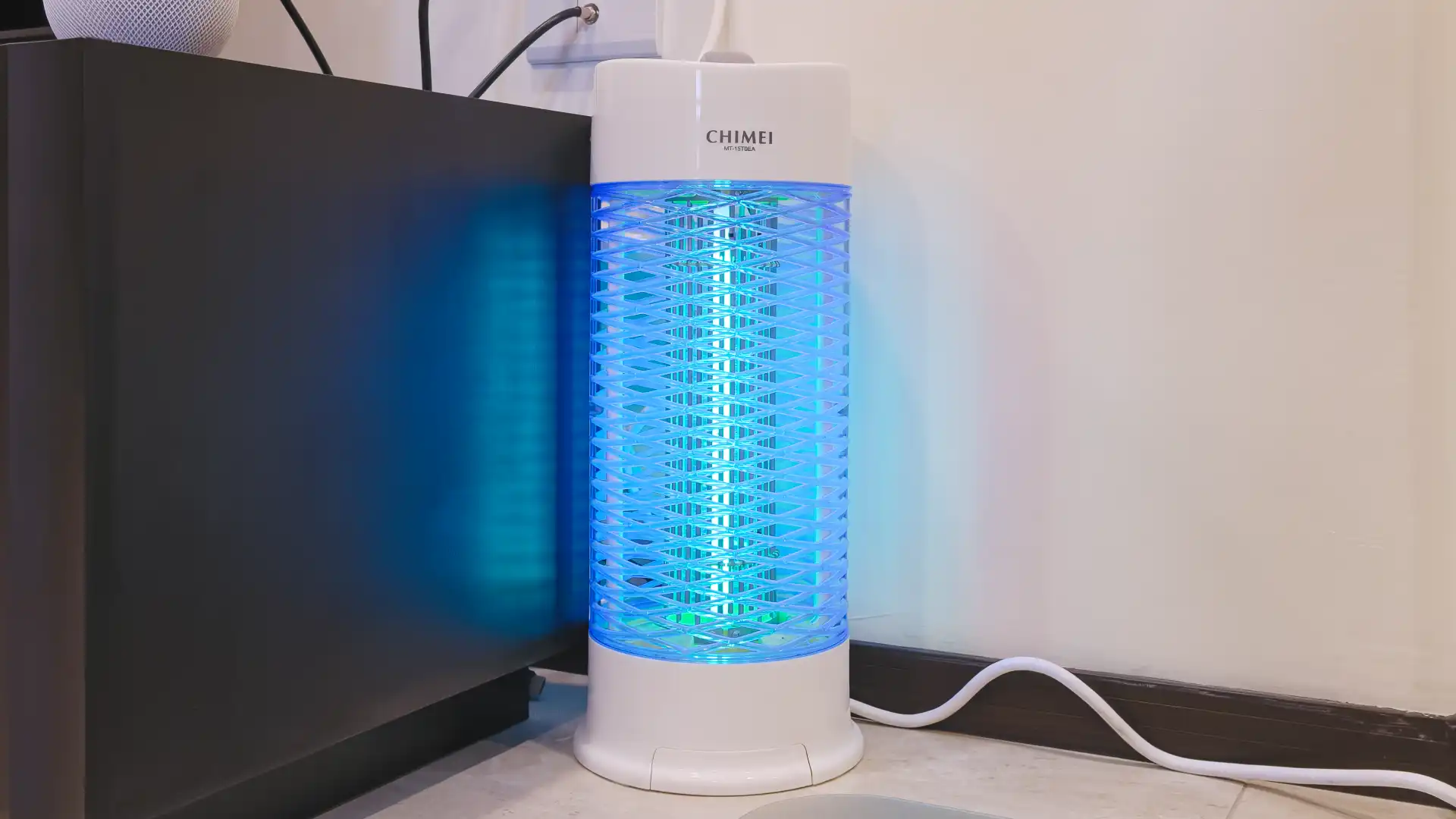
Mosquito lamp
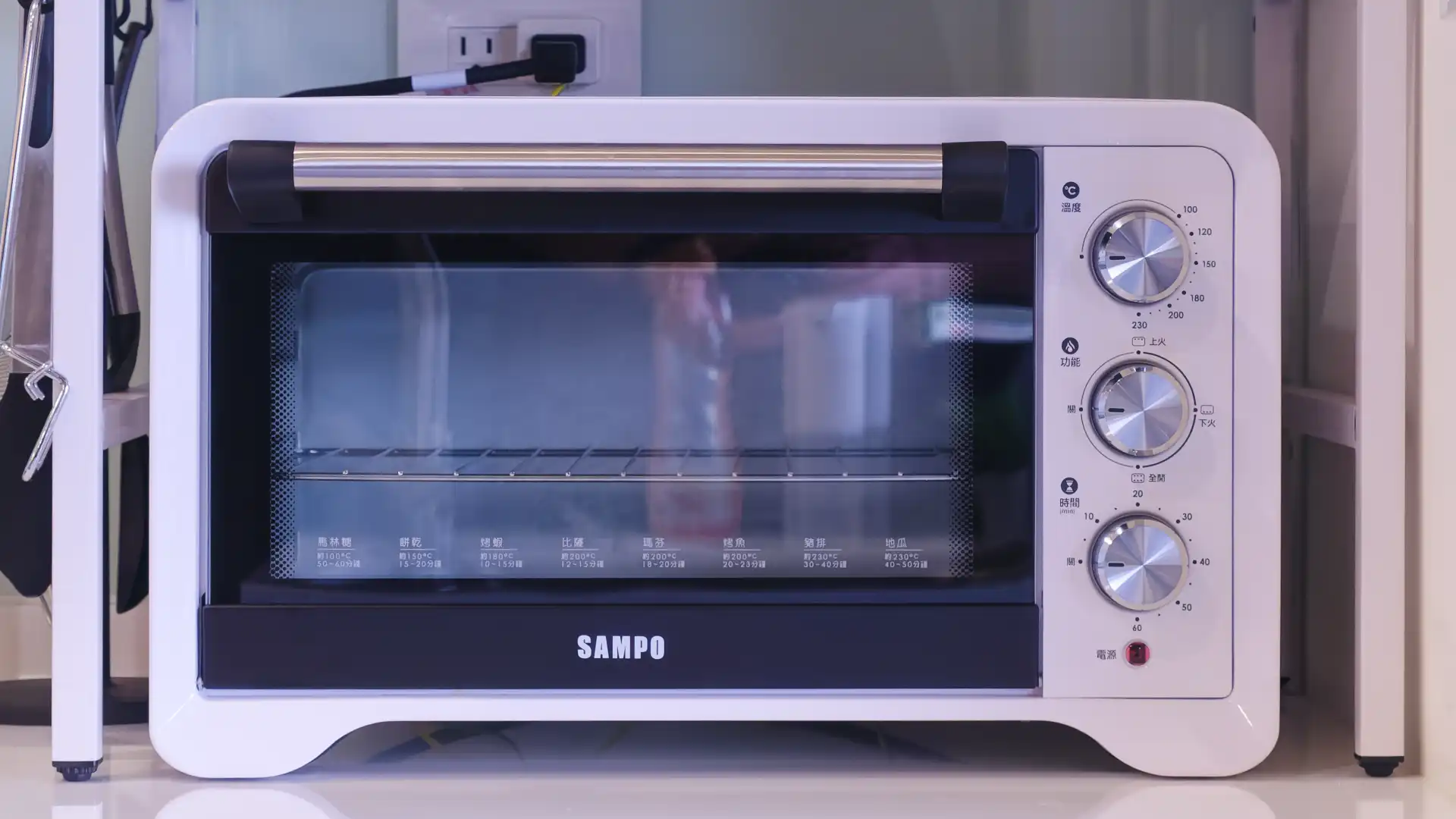
Benchtop oven
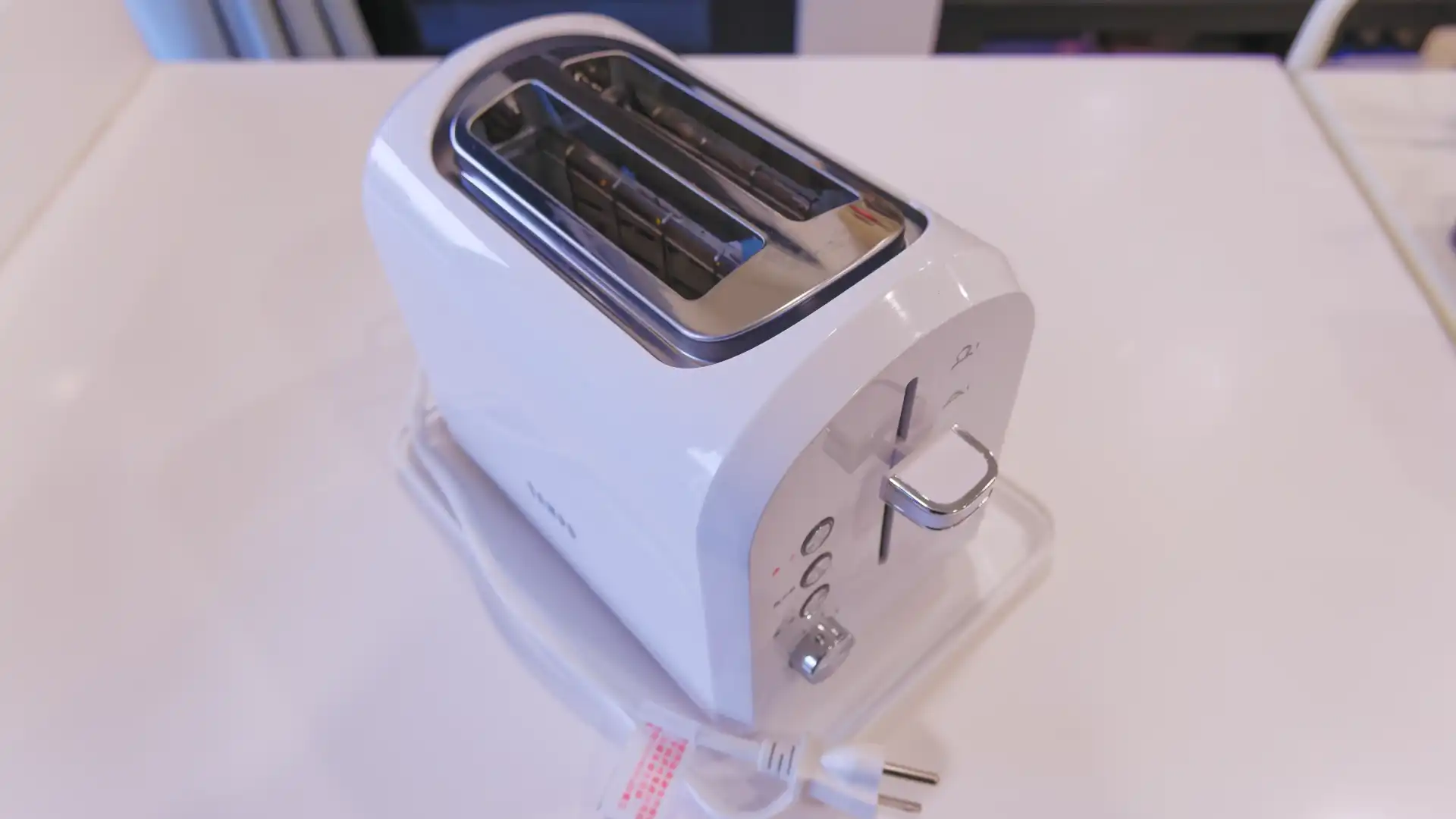
Toaster
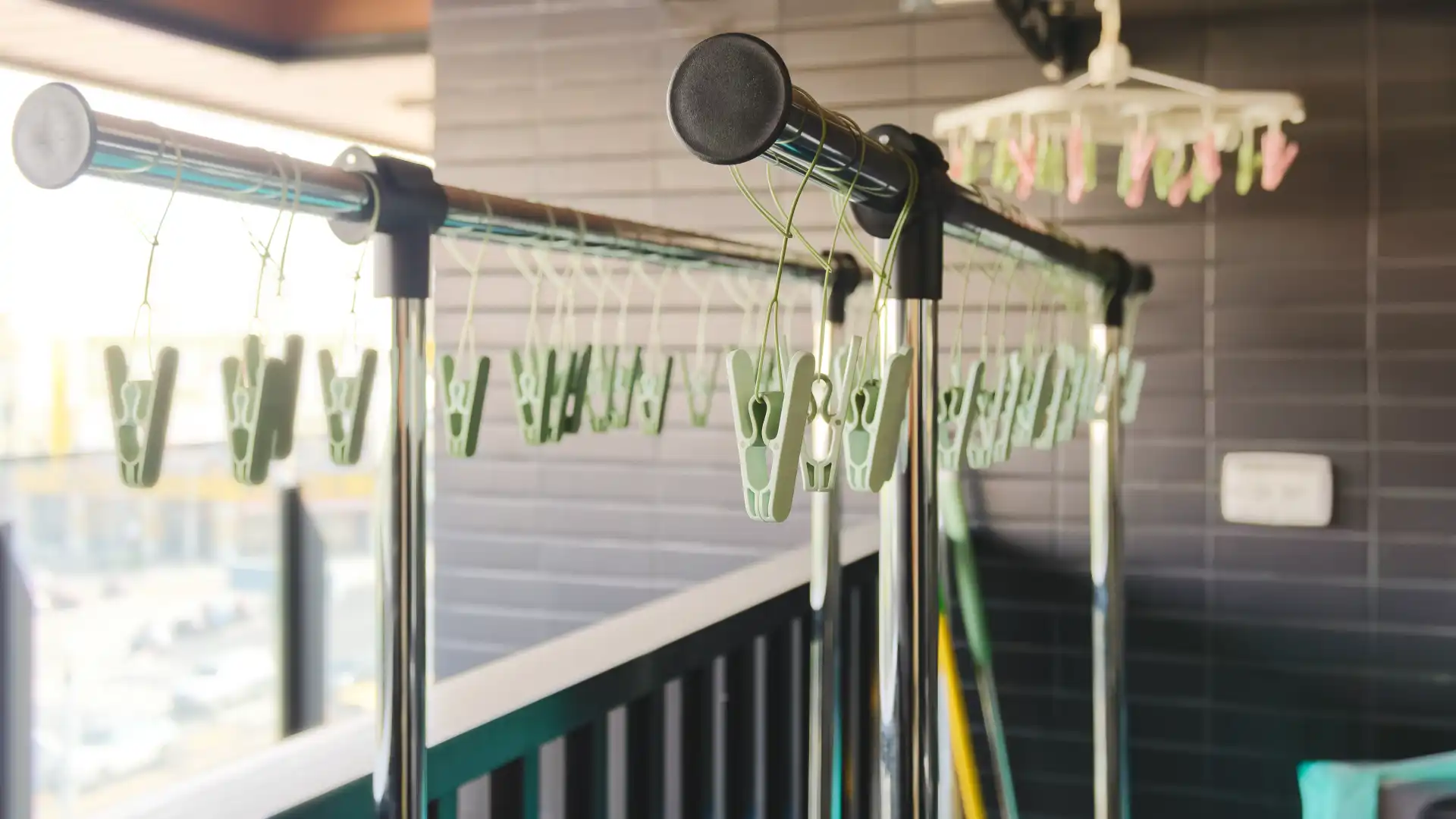
Laundry drying rack
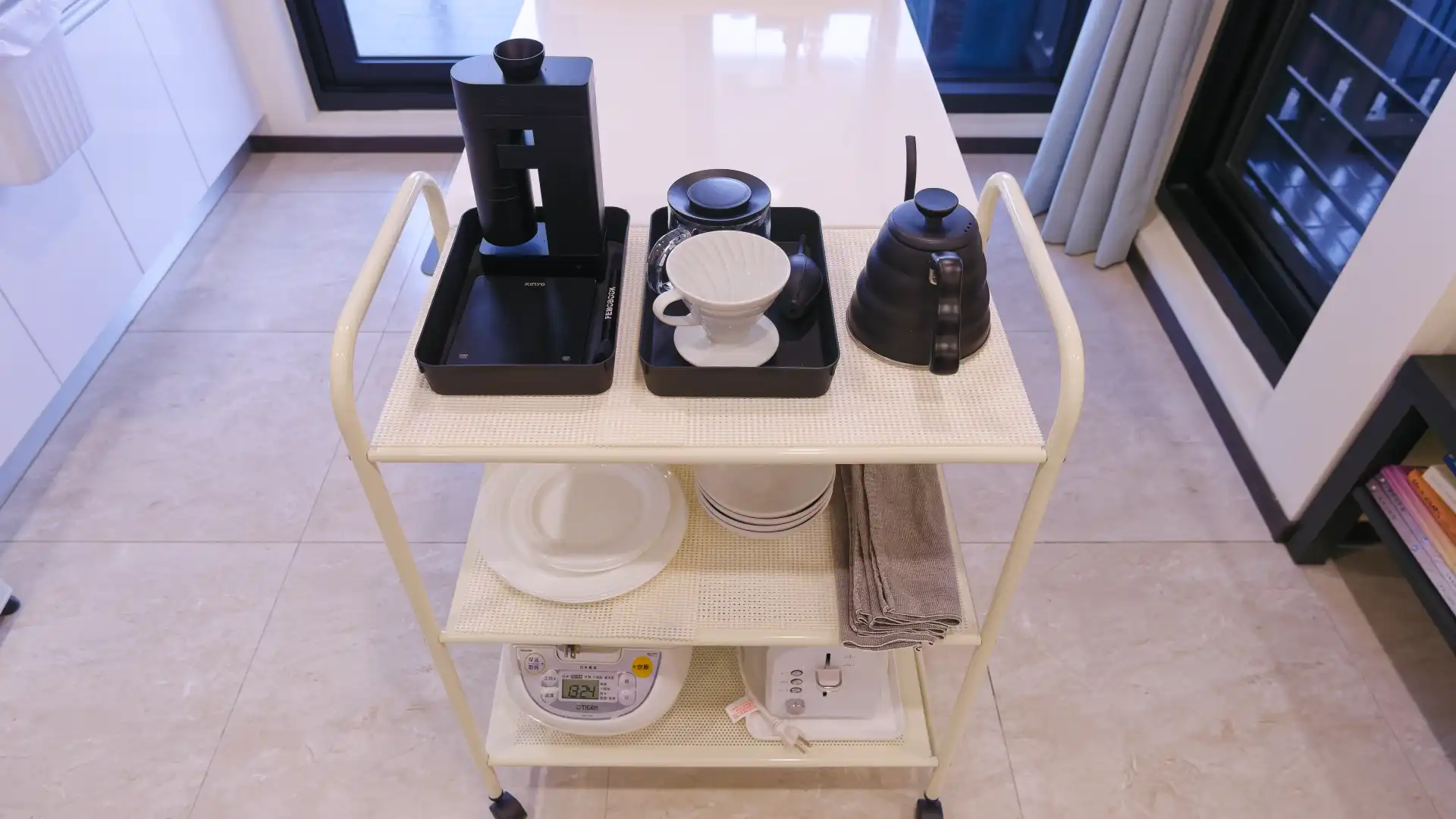
Large kitchen trolley
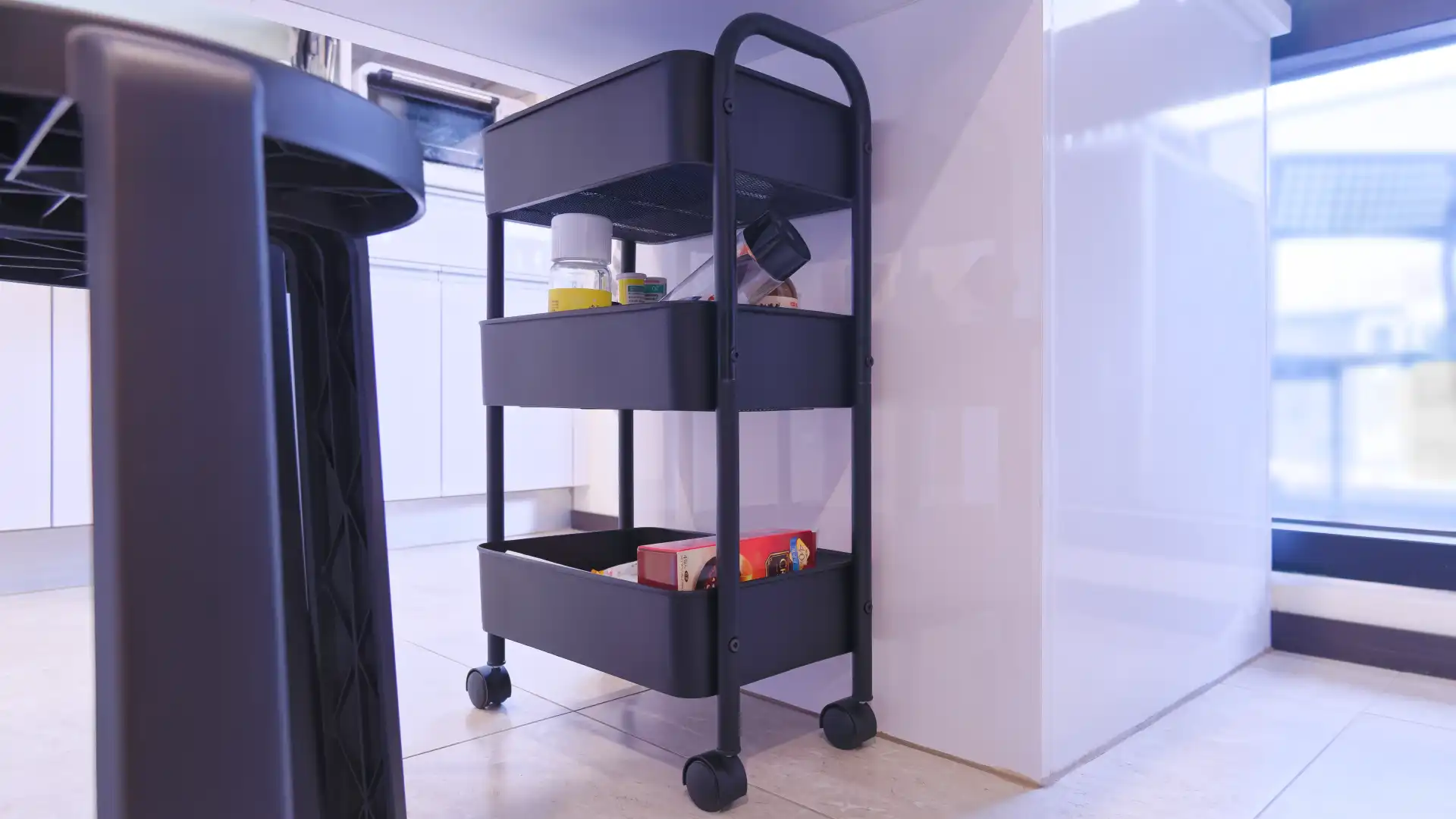
Small kitchen trolley
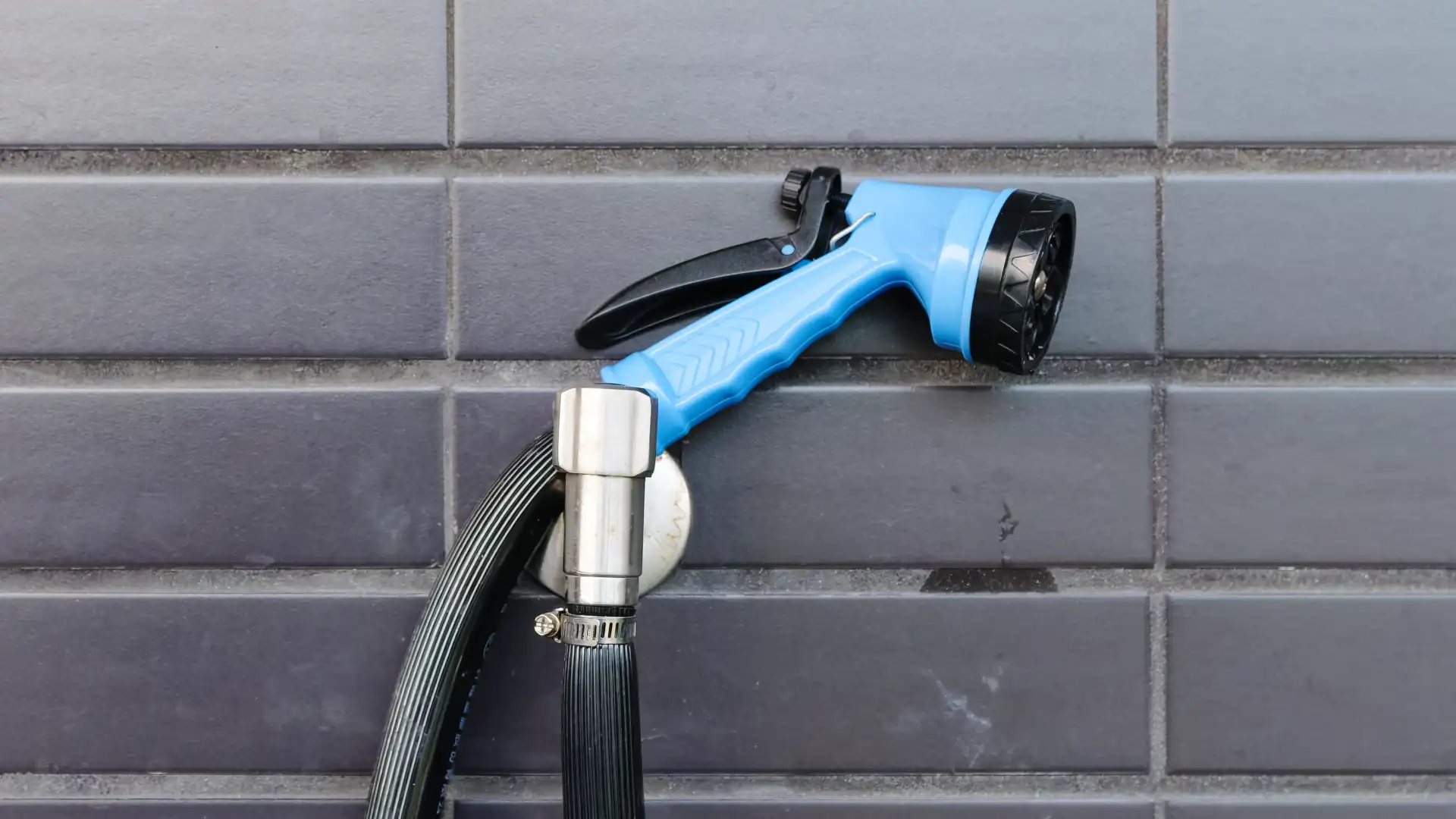
Garden spray gun and hose
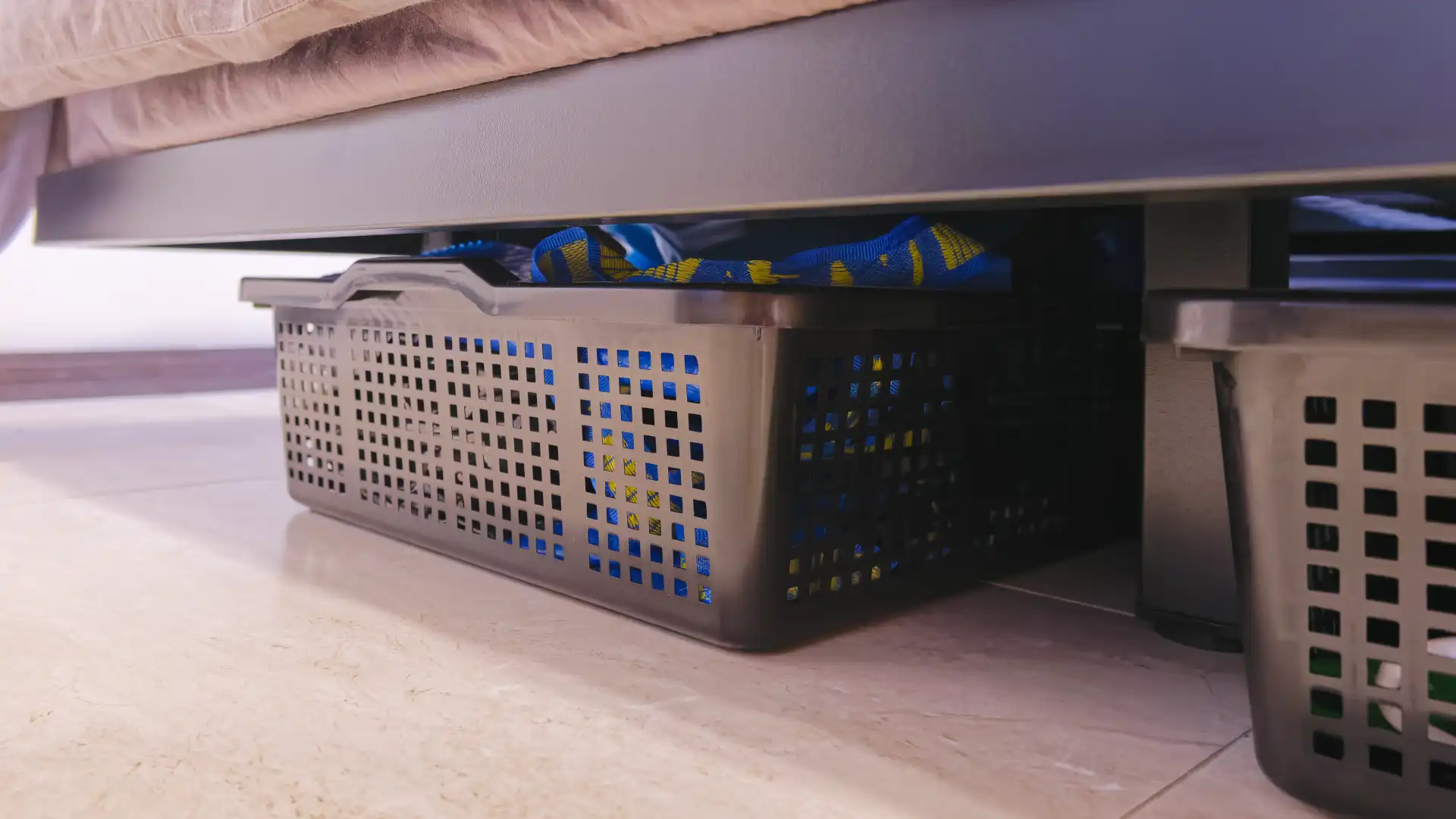
Under-bed storage baskets
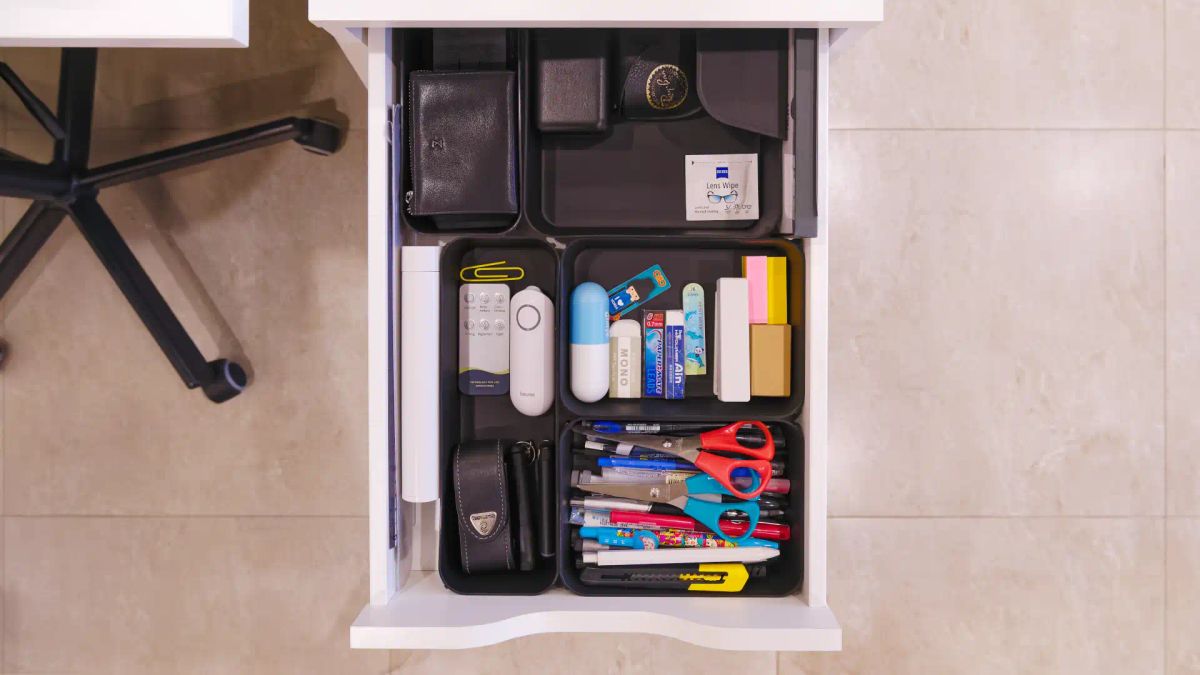
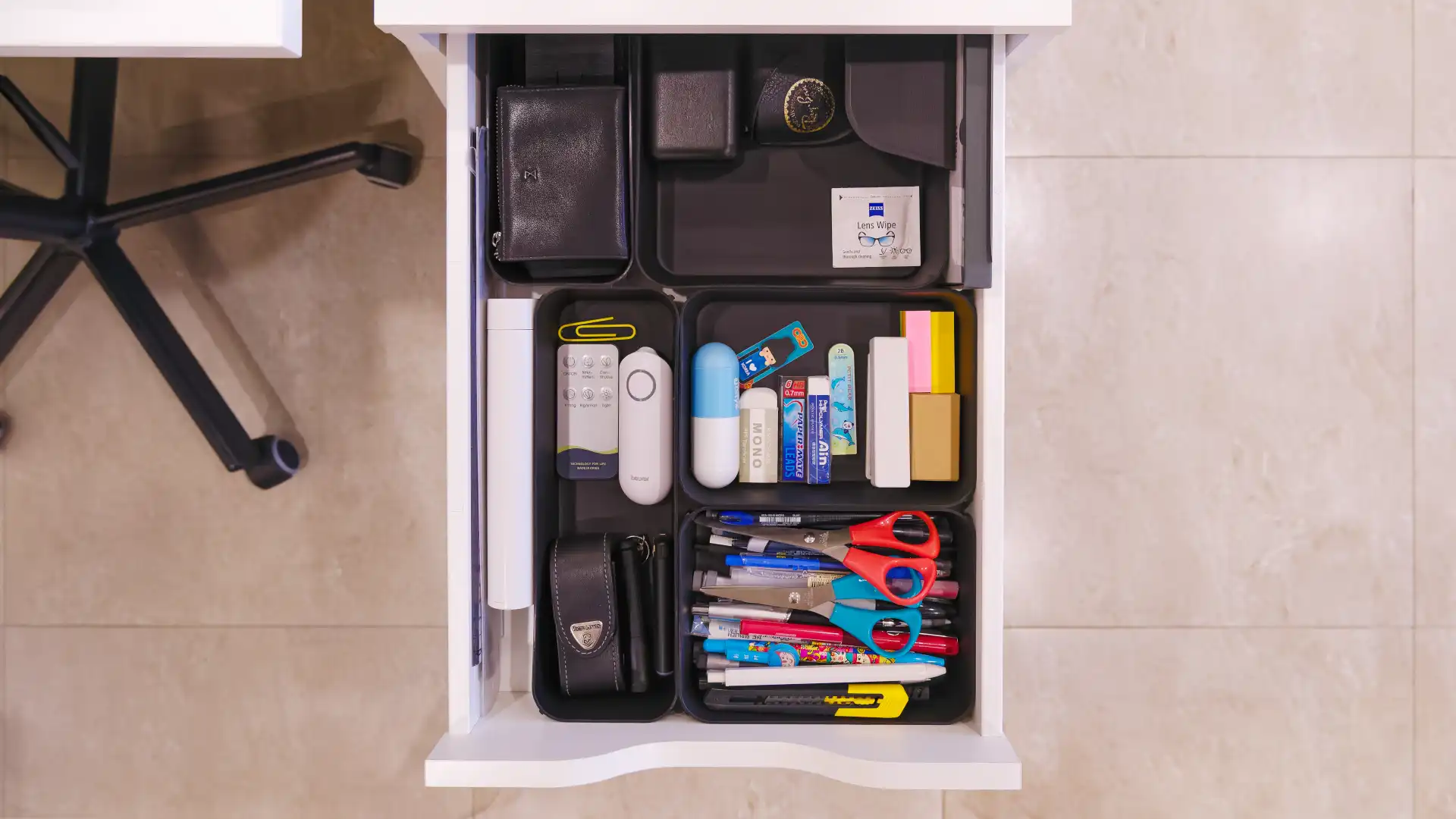
Office drawer organizers
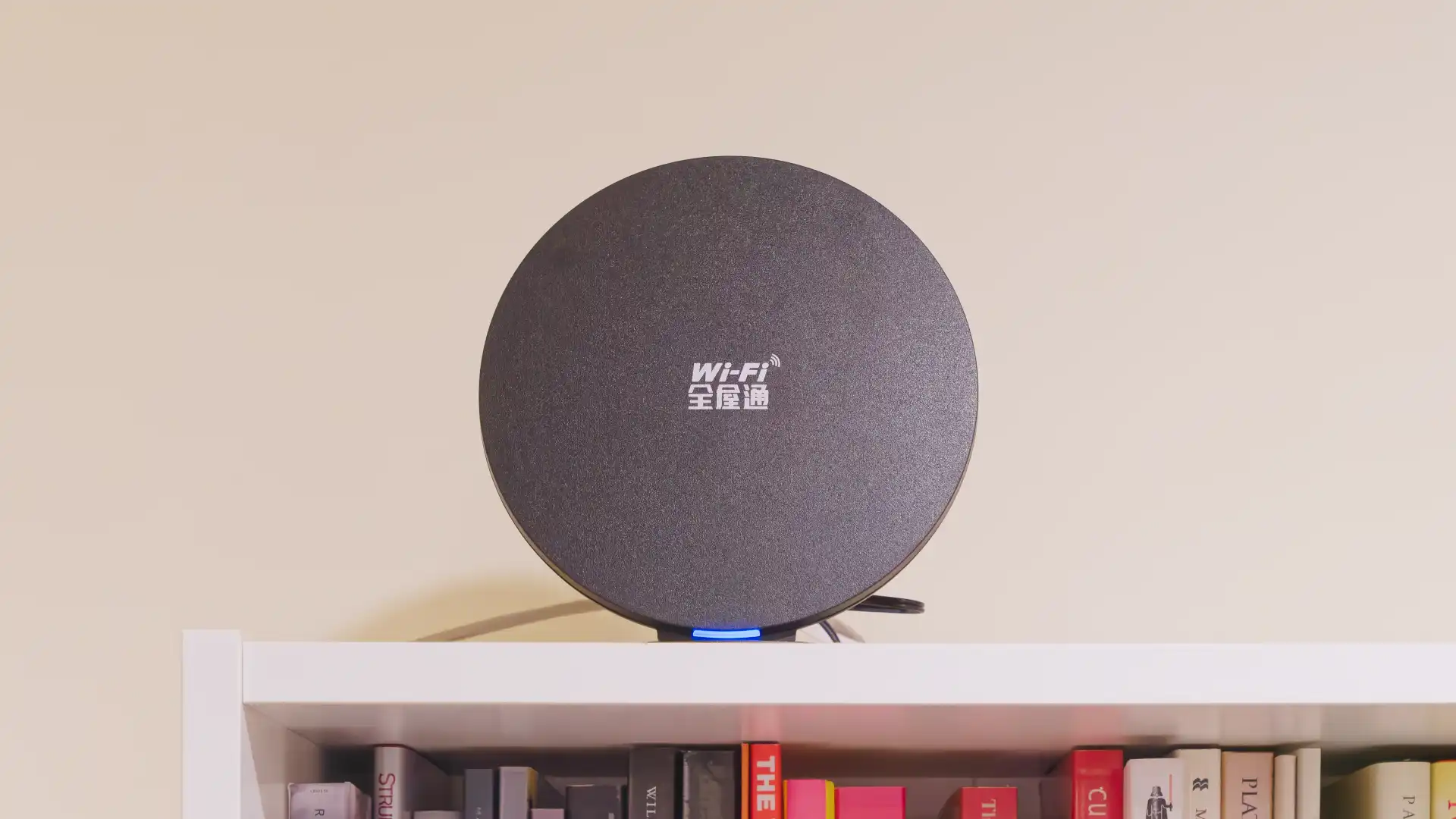
Wi-Fi router
I’m happy with all these purchases, and especially happy with the discounts I got on the mattress and couch.
In the case of the mattress, when I visited the factory showroom I tried a cheaper option which was so-so, before I reluctantly tried a NT$16,000 (NZ$800) alternative. I told the salesperson it was amazing, but my budget was only NT$10,000 (NZ$500).
She said if I’d forego the complimentary pillows, I could have it for NT$10,000 delivered. I accepted on the spot, then she threw in a sheet set for free.
Meanwhile, at another manufacturer’s showroom, the couch I liked was already over 50% off. I asked if I could buy two cushions made of the same material, and was told that if I accepted random colors, there’d be no charge. (I ended up with one gray and one white, both good.)
Buying this stuff was a hassle, but shopping around was worth it.
Who’s Taiwanese?
In case you’re also interested in buying made-in-Taiwan as a political act (or you’re just apolitically curious), here are 20 high-profile companies you may not have realized are Taiwanese:
- Acer (computers)
- ADATA (flash storage)
- AOC (monitors)
- ASUS (computers)
- BenQ (monitors, projectors)
- Chatime (bubble tea)
- China Airlines (Taiwan’s national carrier*)
- Din Tai Fung (Chinese cuisine)
- D-Link (modems, routers)
- EVA Air (airline)
- Giant (bicycles)
- Gong Cha (bubble tea)
- HTC (smartphones)
- Realtek (semiconductors)
- Sangean (high-end radios)
- Starlux (airline)
- Tigerair (airline)
- Transcend (flash memory)
- TSMC (semiconductors)
- World Gym (sports equipment, gyms)
* Taiwan’s official name is Republic of China (ROC). China Airlines is Taiwan’s national carrier. Air China is China’s.
🇹🇼