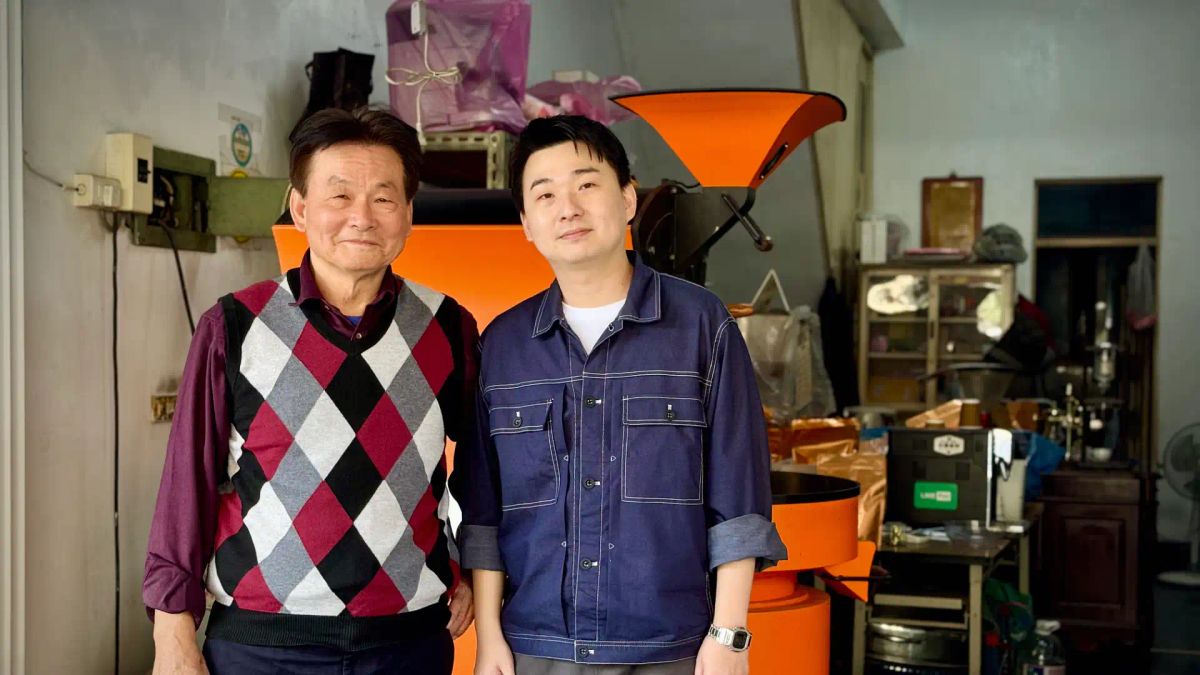
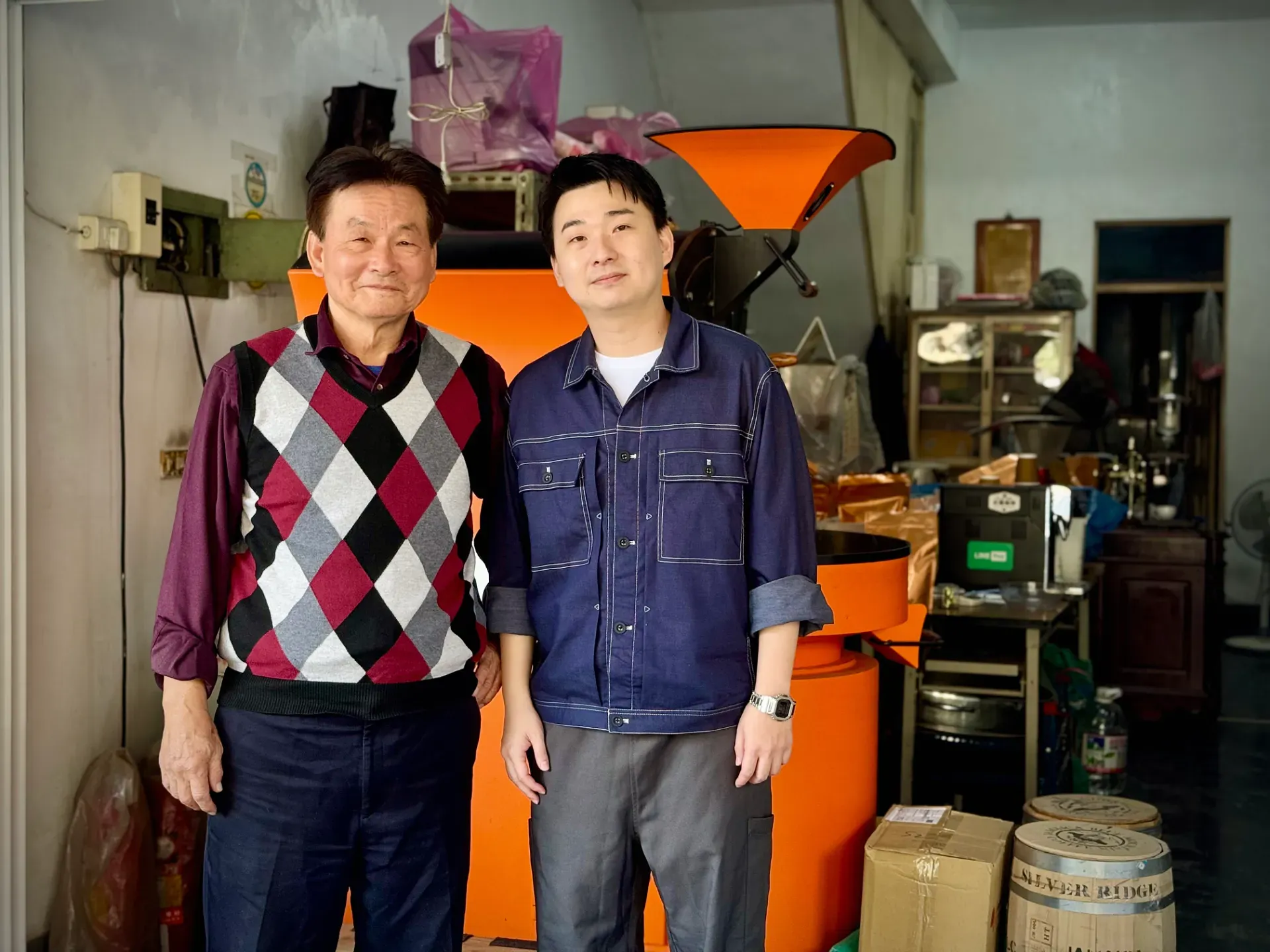
Master Li and Teddy from Hou Yun Coffee. Photo: Zhen-Kang.
Something I noticed early in Taiwan is that entrepreneurship is rampant, and often, entrepreneurs are young. At some night markets, and seemingly every craft market, the average age of stallholders feels like something close to half of my (middle) age.
The same is often true at cafes. Owners can be young.
It feels like Taiwan’s an environment where people can afford to try something new—both in terms of the cost of operations, and in terms of risk. Not just when they’re older, but at any stage in their adult lives.
For much of my professional life, living in New Zealand I didn’t dare start a new venture. I didn’t have the capital for it, nor the financial headroom to take a risk.
The rent for my Kaohsiung apartment is 80% less than it would be in Auckland.
Admittedly, average salaries are lower here—and the minimum wage is lower too—but living costs are much, much lower. The same goes for taxes: for many people, including all minimum wage earners, income tax is zero (if not negative).
Of course things are far from perfect, but compared to so many places in the world, in Taiwan it seems like people can actually afford to live, pay for healthcare, and participate in society. And maybe try something new.
And people are doing it everywhere I look.
An unconventional roastery
Recently, a mutual friend arranged for me to meet a couple of local entrepreneurs—Master Li and his son Teddy—at their unconventional coffee roastery in Kaohsiung.
We dropped in for a look, and they invited us to try some brews.
I love coffee, but I’m also ignorant about coffee. So this was a great opportunity to educate myself.
Thankfully, I’m much less ignorant now…
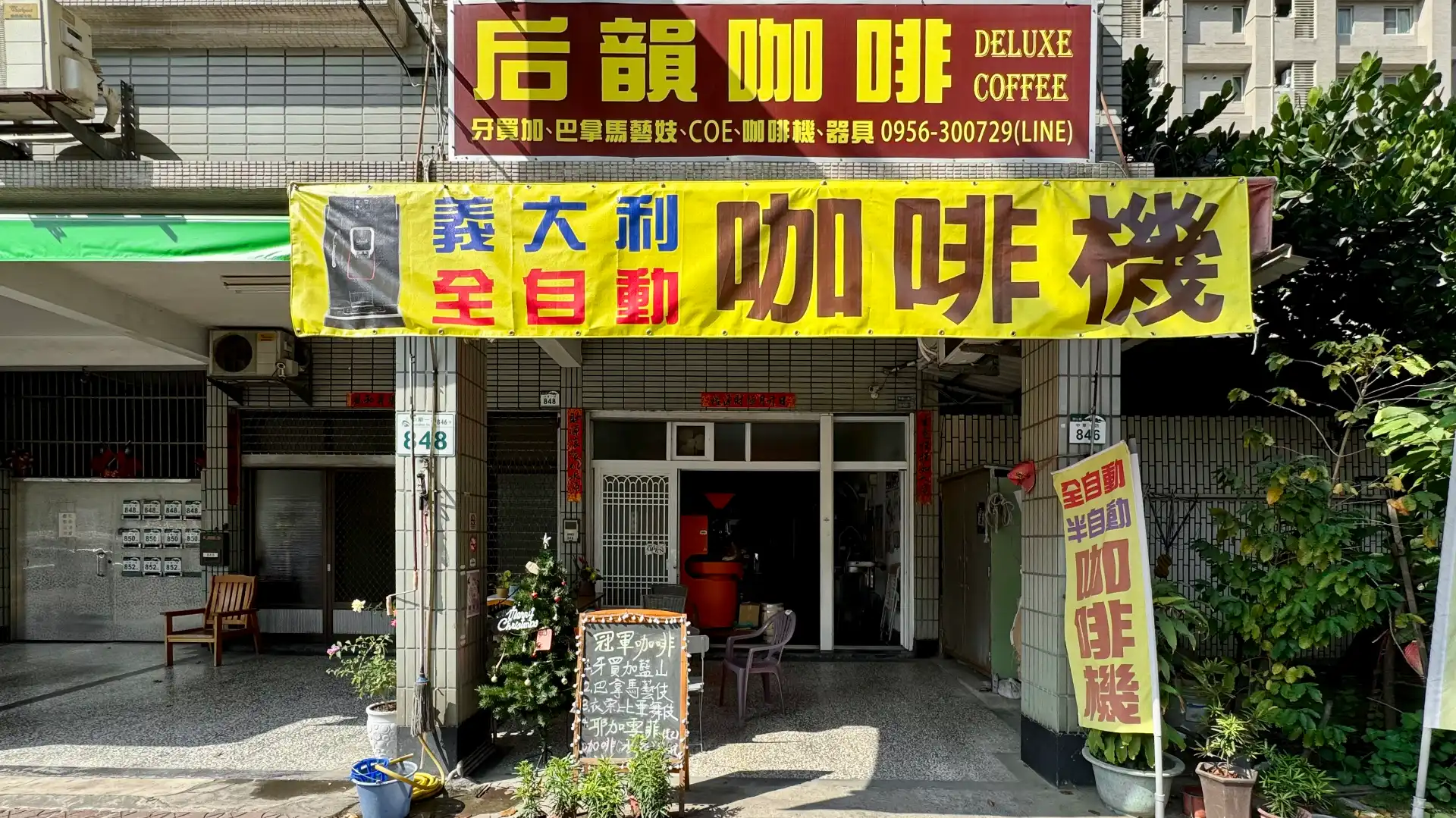
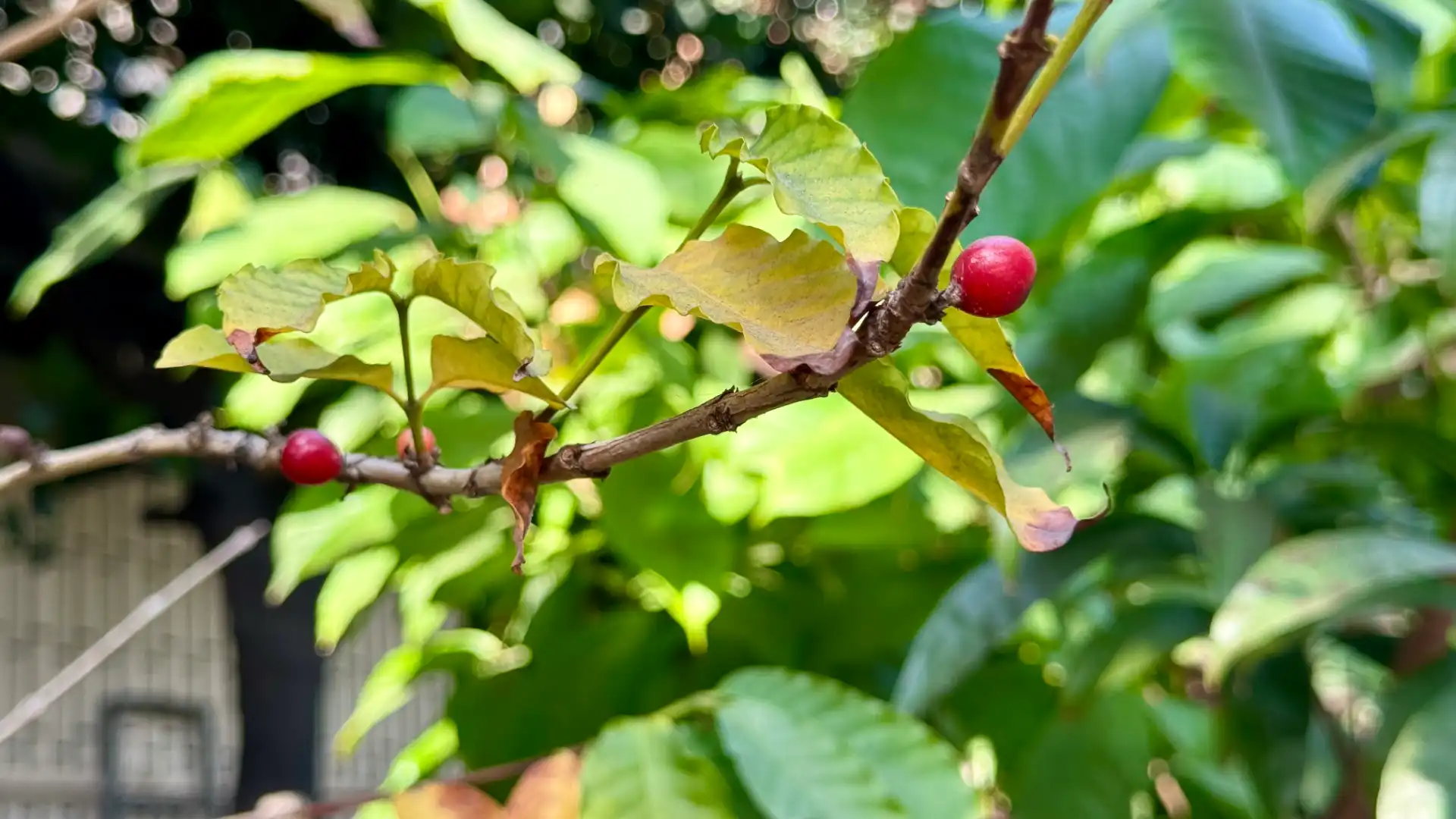
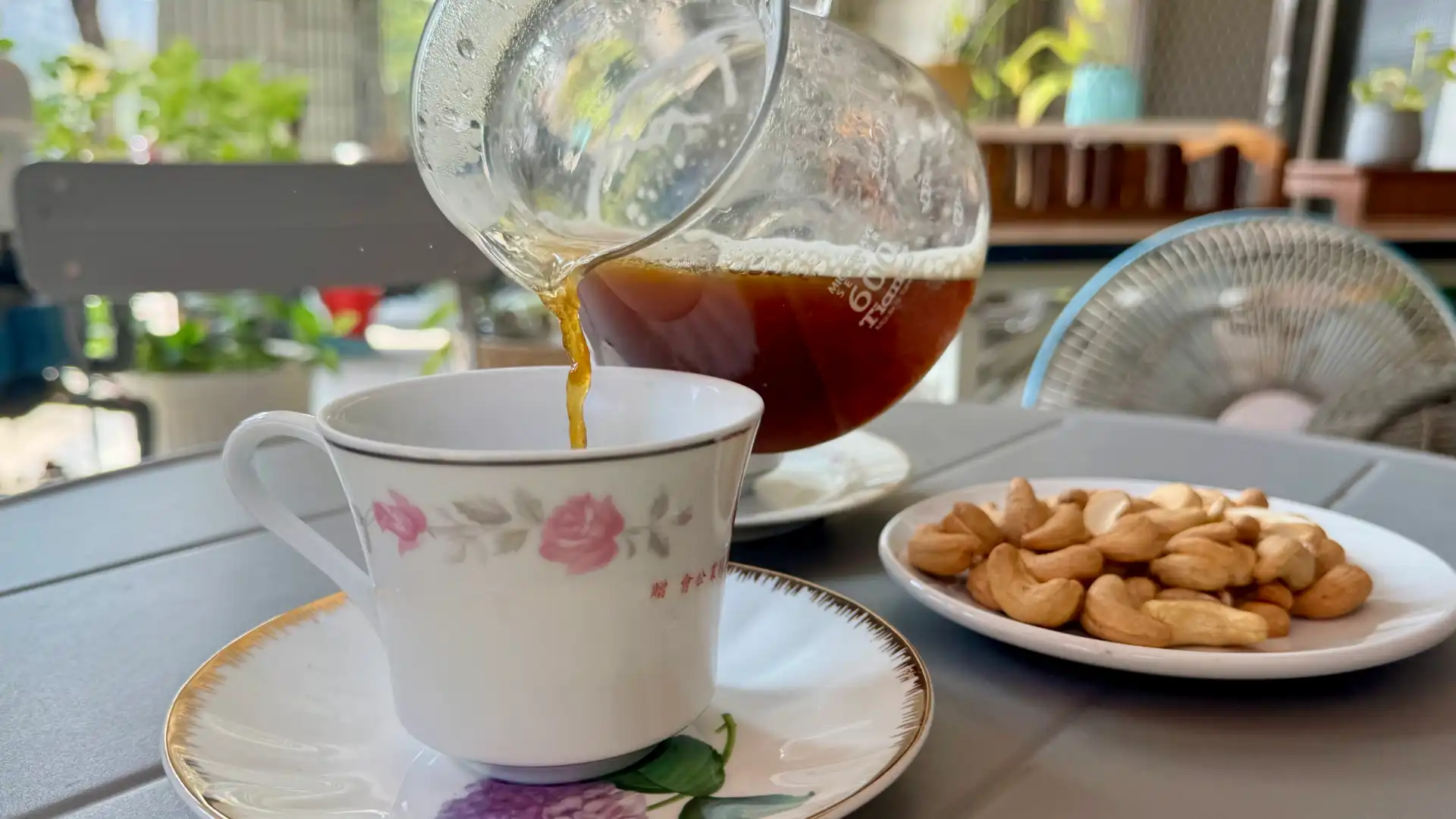
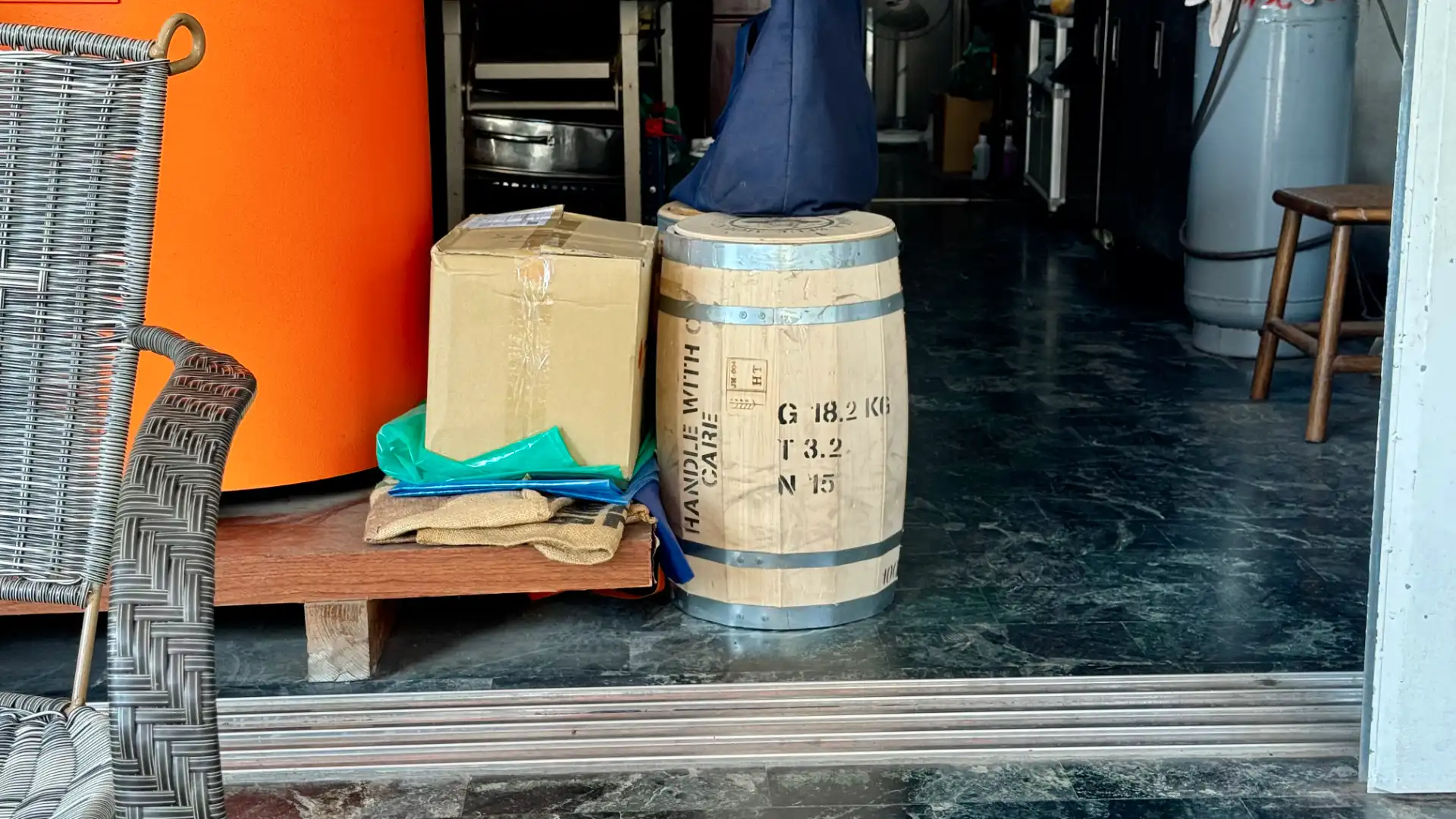
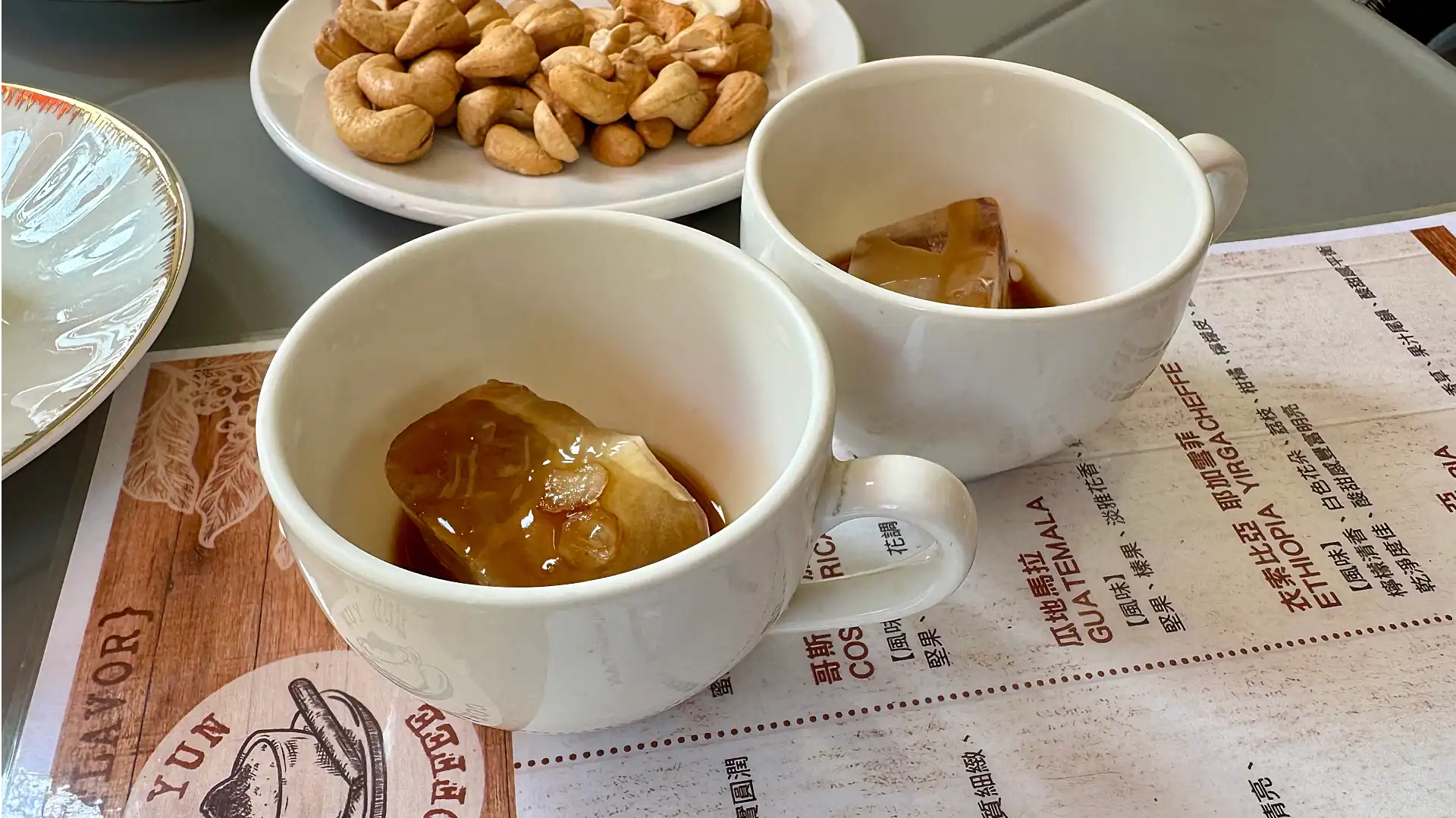
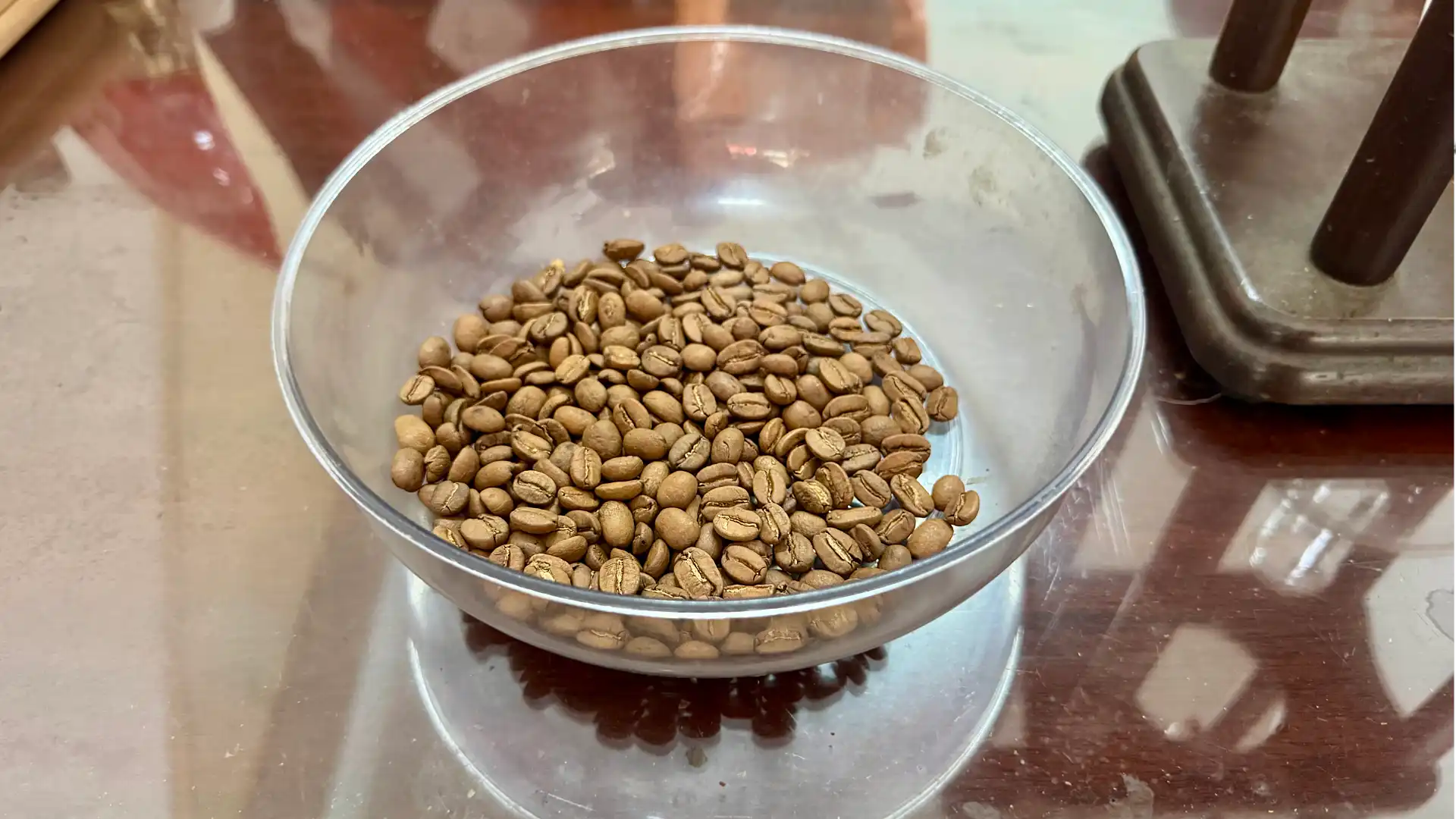
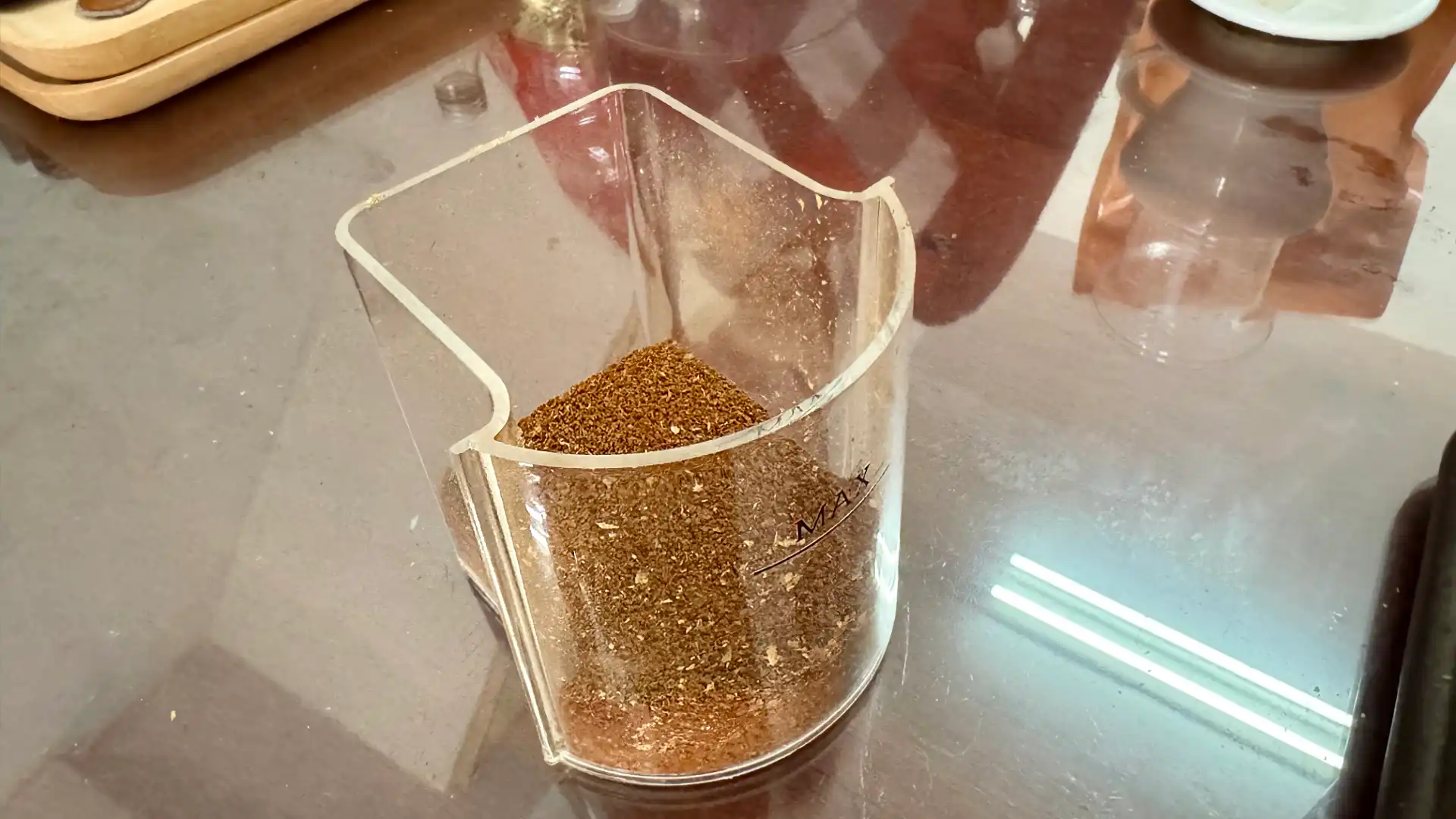
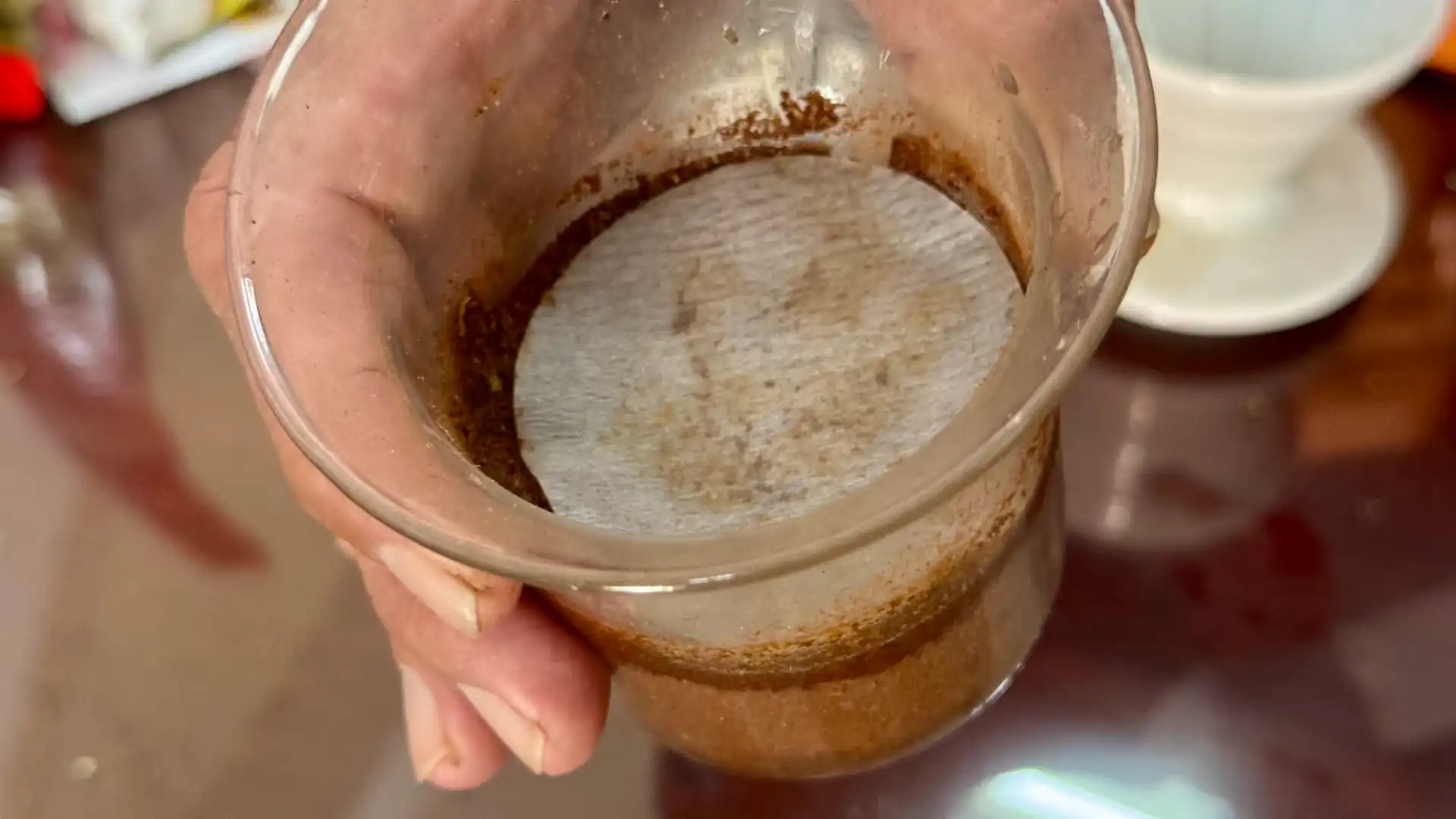
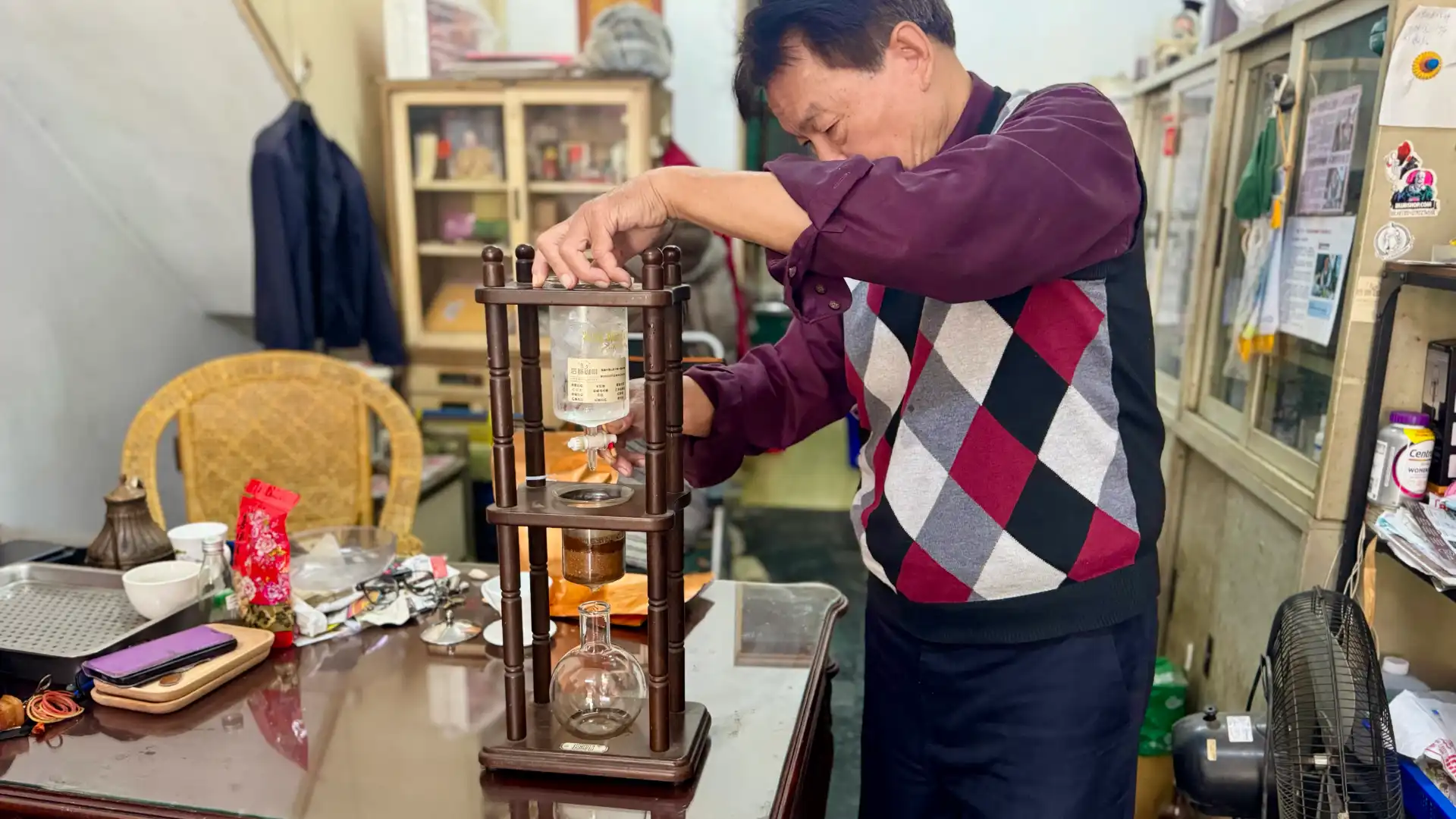
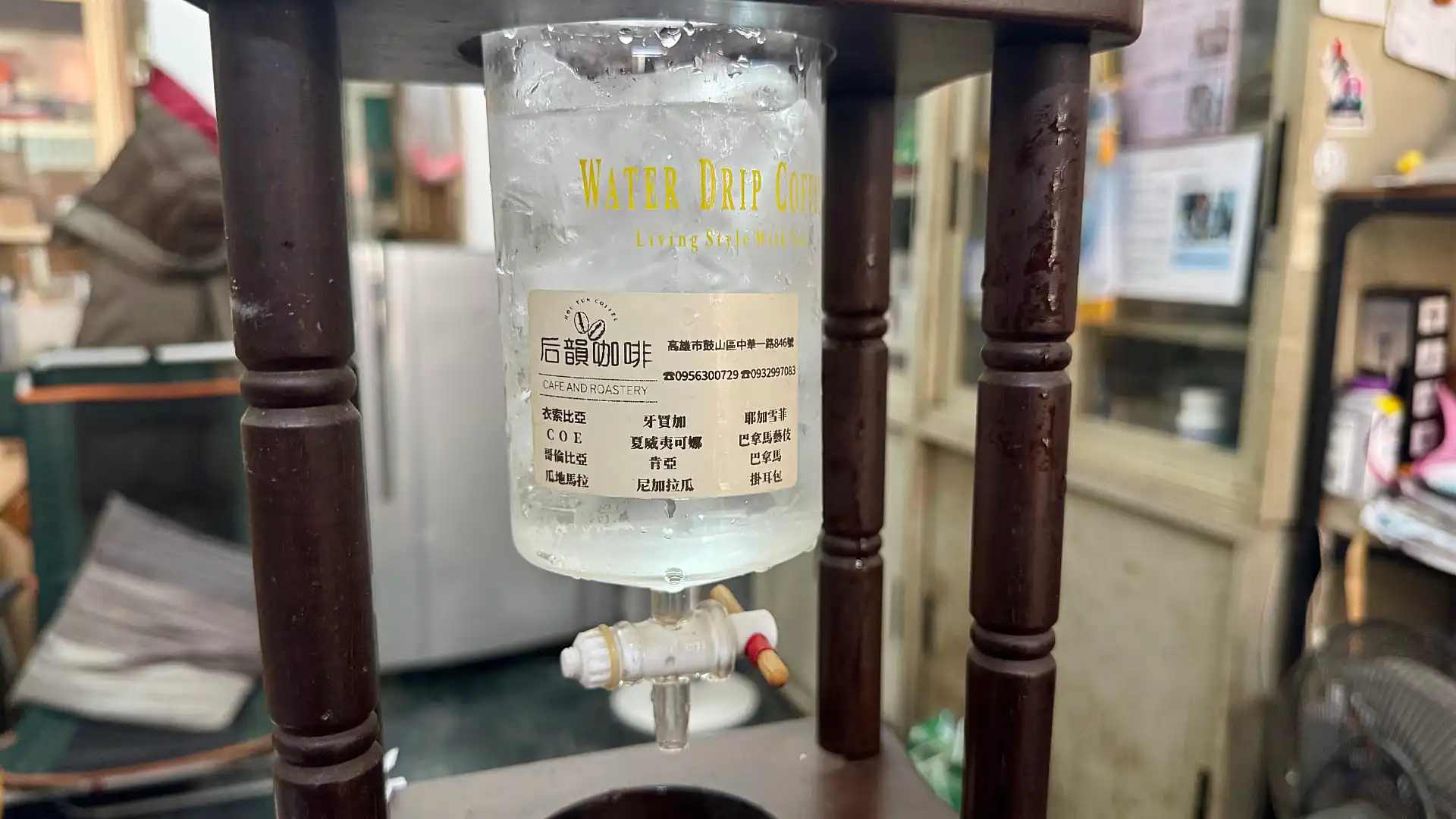
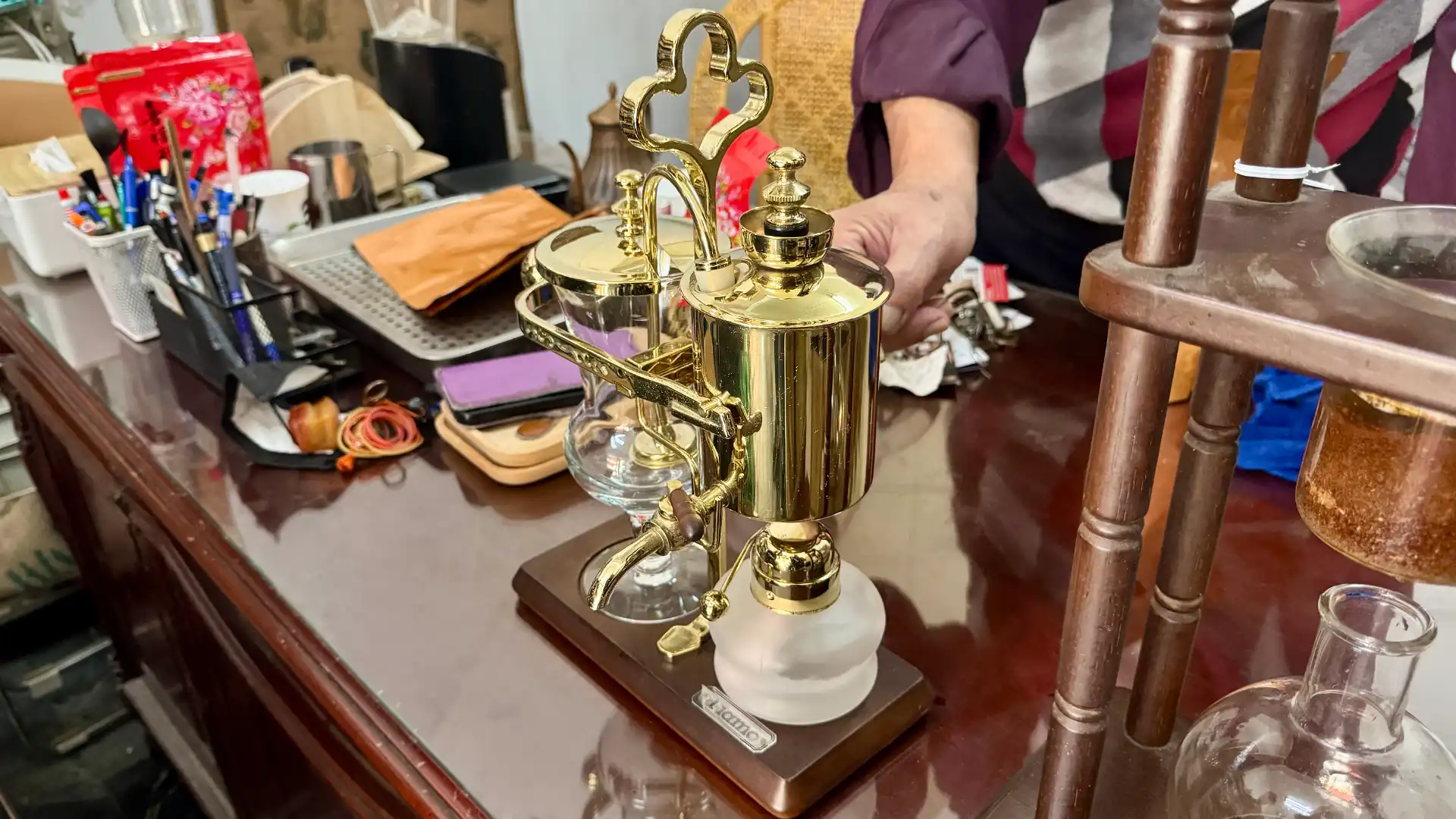
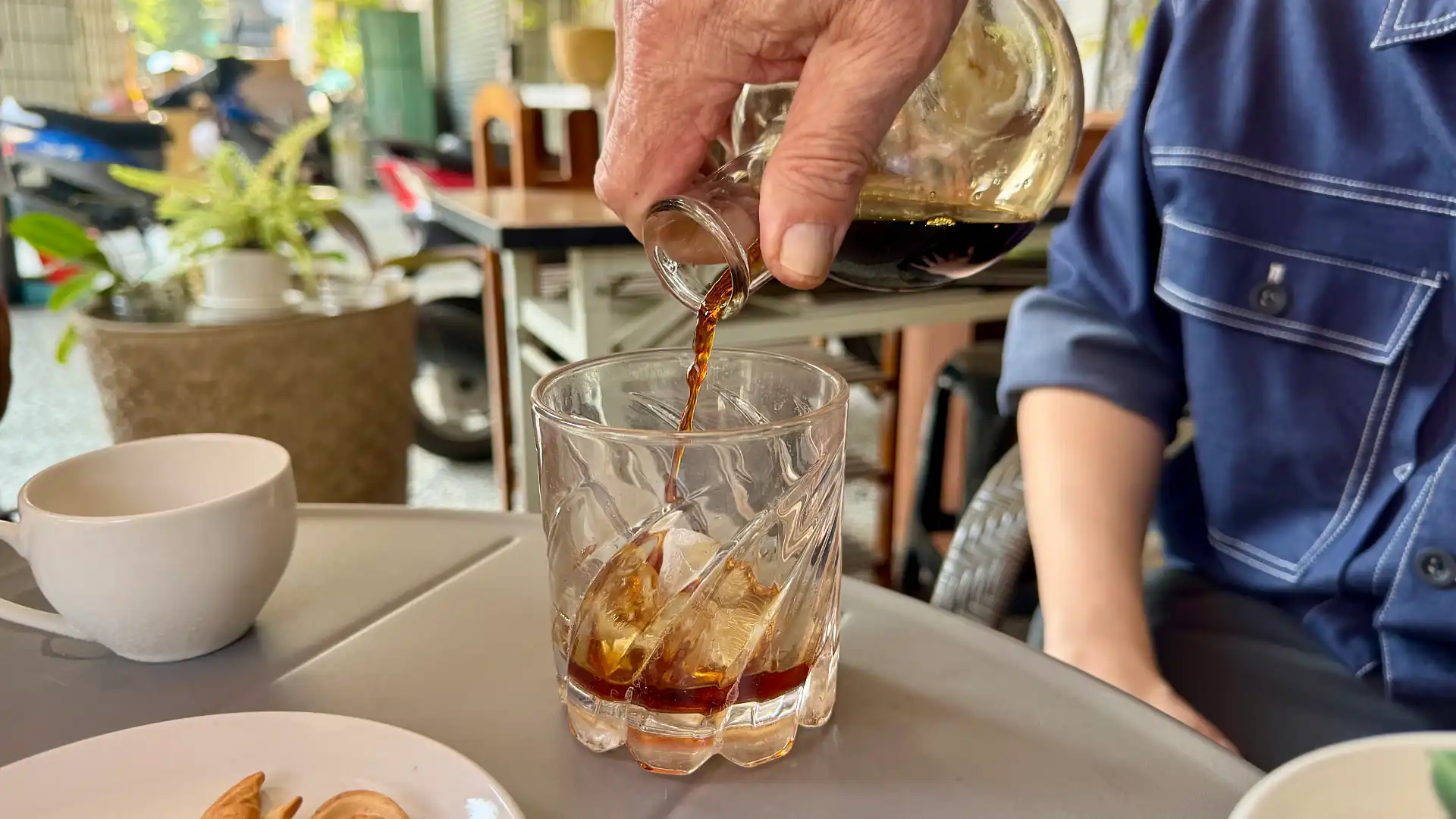
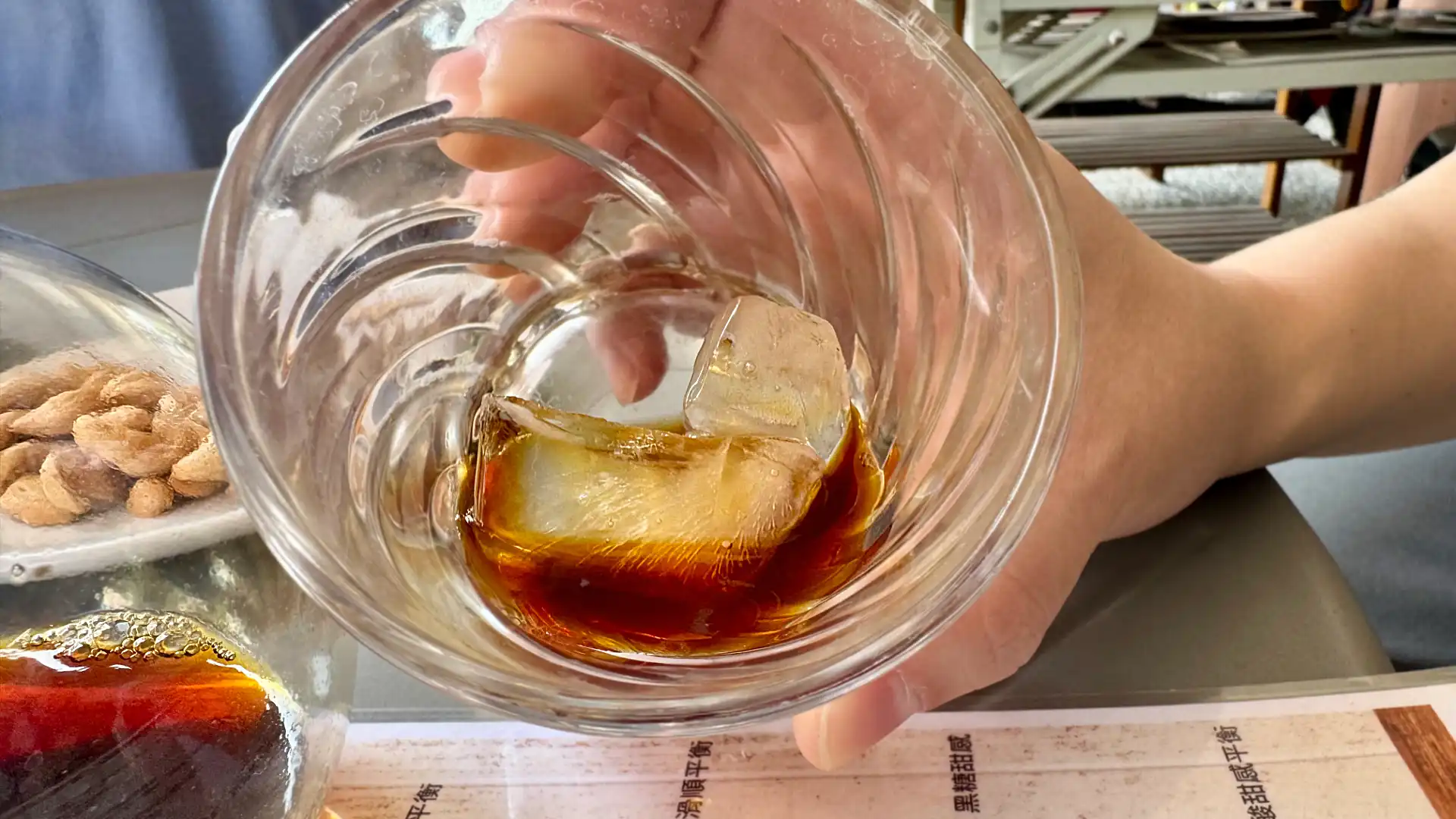
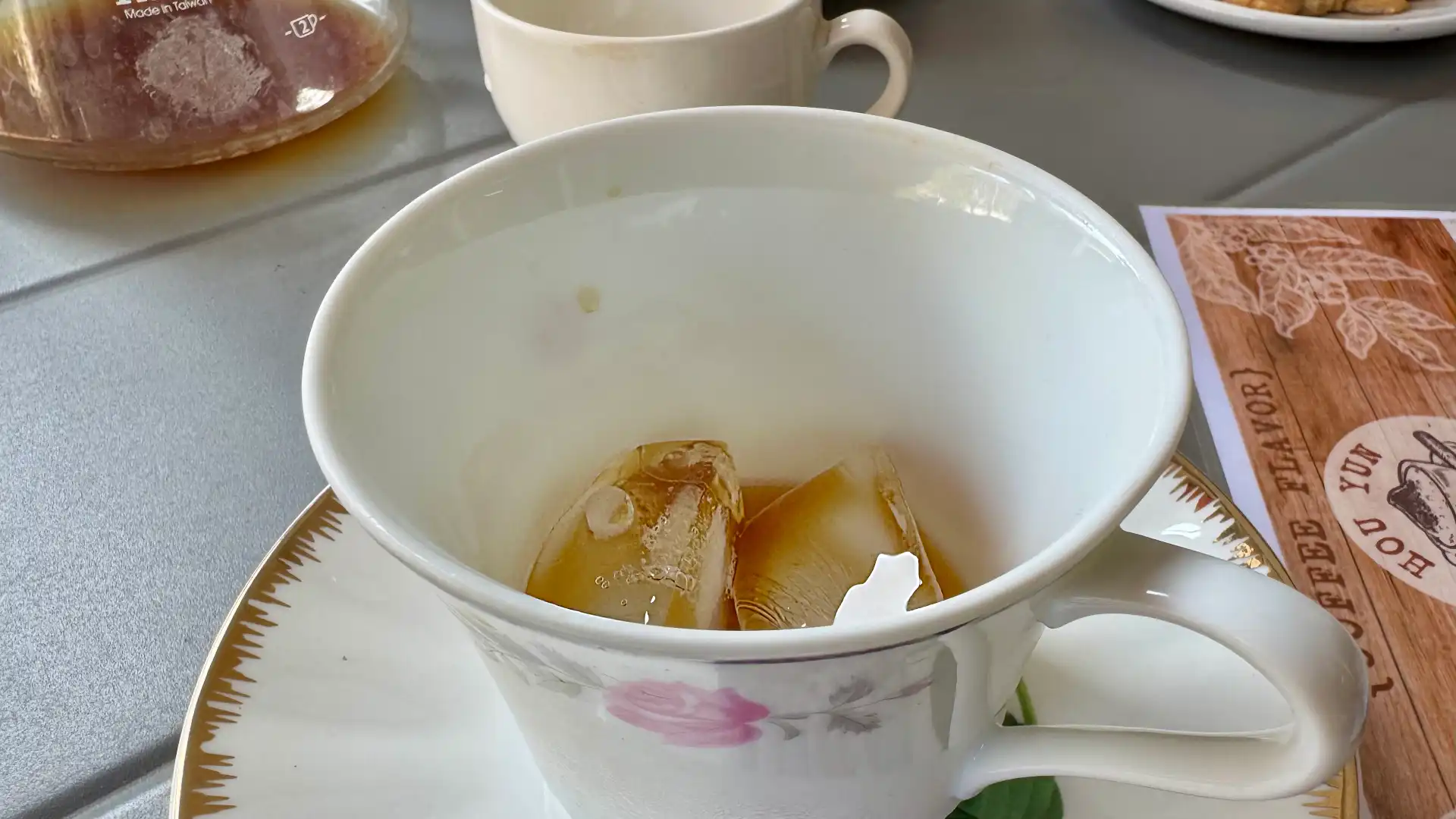
We arrived at Hou Yun Coffee (后韻咖啡) at 11am. Note the tall potted plant between the flags on the right……It’s a coffee plant! In Taiwan, coffee is usually only grown in the mountains, so this was a fun surprise.We were invited to sit down for some Panama Geisha Green Label coffee. I liked it a lot. It was light and balanced, without obvious acidity. A world removed from the thick and bitter espresso I usually go for. This was an experience more akin to drinking a delicate and expensive tea. The official tasting notes suggested a bergamot, lychee, jasmine, and pomelo aroma… with pronounced sweetness and creamy mouthfeel. Teddy told me first-time customers often ask “is it really coffee?” I’m unsurprised. 10/10.To my right, I saw some wooden barrels of Jamaica Blue Mountain coffee. (Nowadays, only specialty or experimental coffees are routinely shipped in barrels.) I was told the Jamaica Blue Mountain has a stronger flavor than the Panama Geisha Green Label, and interestingly, a more stable global price.Master Li brought us some cups of Jamaica Blue Mountain ice drip coffee. It was extraordinary: as my friend said—perceptively and accurately—it tasted like “whiskey without alcohol”. Explosively flavorful stuff. (Official tasting notes: maltose, dark chocolate, creamy mouthfeel, balanced sweet-and-sour acidity, full-bodied, and smooth on the palate.) This was truly a special drink. Apparently at upmarket cafés, this kind of ice drip experience costs NT$1,000–NT$2,000 per cup (NZ$50–NZ$100). While I couldn’t handle spending that much on a cup of coffee, now I absolutely understand why some people do. I’d already rated the Panama Geisha Green Label 10/10; this coffee takes it up to eleven.We were invited inside to see how it was made. First, Master Li weighed the Jamaica Blue Mountain beans (imported via specialist brokers in Japan and roasted at Hou Yun).The beans were ground moderately finely.Next, the grounds were placed in a brew chamber with a piece of wet filter paper across the top, to prevent a well being formed by the dripping water.Here’s Master Li putting everything together, using a vintage ice drip contraption. He manually controlled the drip velocity for the first few minutes. It took about three minutes for the first drops of coffee to reach the collection flask at the bottom. Master Li said an hour of dripping creates 100 cc of coffee, and this technique only works with a high-quality dark roast because the ice water reduces absorption. At this point, it was obvious why it costs NT$1,000–NT$2,000 per cup.Here’s a closer look at the water reservoir. ‘Ice drip’ coffee involves ice-cold water slowly dripping over the coffee grounds to absorb flavor, as opposed to ‘iced drip’ coffee—where conventional hot coffee is cooled and then poured over ice.While the ice drip was brewing, we had a look at more vintage equipment. This Belgian Royal Balance Siphon is over 30 years old. Water boils in the brass carafe on the right, forcing steam and water into the glass chamber where it mixes with coffee grounds. Once the heat source is removed, a cooling vacuum pulls the brewed coffee back through a filter into the brass carafe.Soon enough, it was time for our freshly-made ice drip Jamaica Blue Mountain. Our previous ice drip had been refrigerated for two days; this fresh version was noticeably stronger. It had a chocolatey smell and was much less whiskey-like. And it was smoooooth. Note the cashew nuts just in shot at the left: these were also roasted on site. Master Li advised us to eat some of them, then swirl the coffee around with the ice, then drink it. The cashews were quite sweet, and following them up with this coffee was quite an incredible experience. One of the best drinking experiences of my life (alcoholic or otherwise). Easily another 11/10.To finish up, we went back to the Panama Geisha Green Label, iced. This time it seemed much weaker—and unexpectedly, it smelt a bit like tea. The relative strength of the ice drip had been intoxicatingly overwhelming. But I appreciated the Panama Geisha bringing me gently down from my ice drip-induced euphoria.I’m indebted to Master Li and Teddy for their hospitality, insights, and most importantly, their extraordinary coffee.
Before I left, I asked about their story: how they got into specialist coffee roasting.
Master Li said he was inspired by a book he read decades ago, which described coffee as black gold. At that time he was selling teas, but it was hard to be profitable in the face of so much competition (in Taiwan, tea shops are everywhere you look; I imagine that was even more true in decades past).
Master Li trained himself to roast coffee, perfecting his technique over more than a decade. He got friends and family to repeatedly taste test, and even enlisted a local police department to enjoy free coffee in return for feedback.
At one stage, he paralyzed his own tongue from the poisonous effects of drinking coffee to excess(!).
But now, he’s mastered the art of roasting in a proprietary way that eliminates some of the downsides of heavy coffee consumption (including tongue paralysis).
I can attest to this: in 2026, I’m averaging only one coffee a day, because as I get older I find my body reacts too strongly to caffeine. But after four cups of coffee at Hou Yun, I felt goooood.
Master Li says it’s because his coffee helps your qi (氣; circulating life force) be smooth and stable.
I certainly felt smooth and stable.
Happy too.
I can highly recommend a visit to Hou Yun Coffee. Master Li and Teddy are welcoming and eager to share their knowledge. And as noted above, their coffee is very special.