A judgmental jaunt through Chiang Kai-Shek’s winter residence in Kaohsiung, Taiwan…
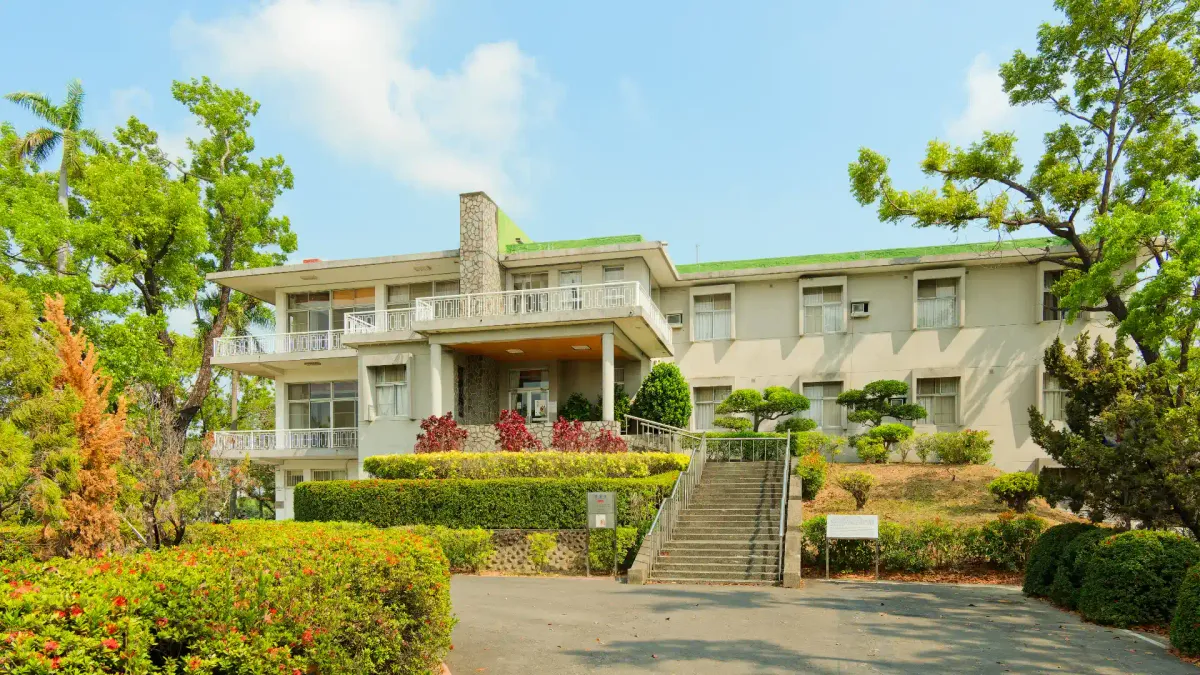
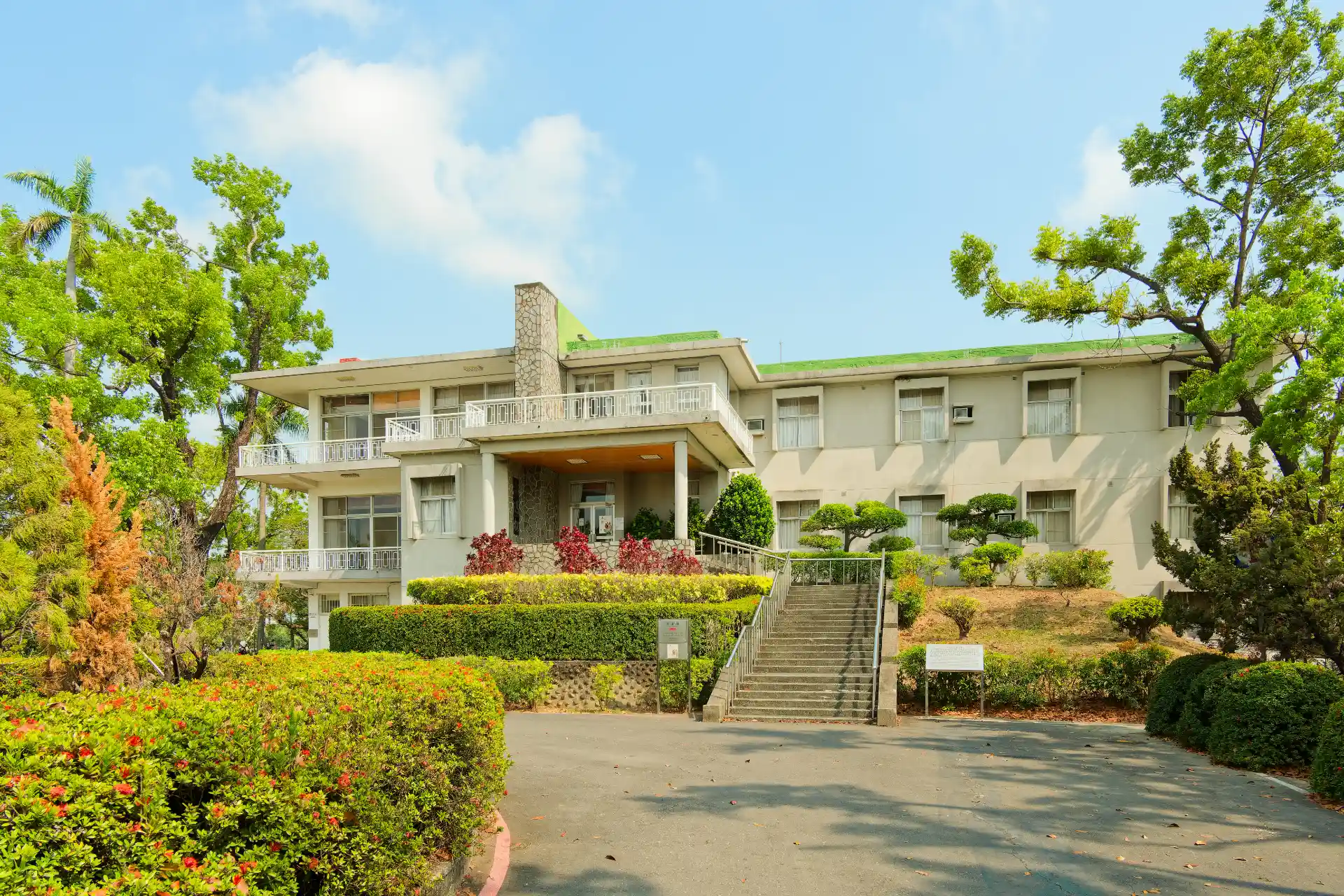
The winter residence at Chengcing Lake. Photo: Zhen-Kang.
Chiang Kai-Shek was a military dictator and president of Taiwan until his death in 1975. He’s responsible for the imprisonment and killing of tens of thousands of Taiwanese, and also responsible for the loss of China to the communists (who in turn caused the deaths of tens of millions of Chinese).
After losing the civil war, Chiang fled from China to Taiwan in 1949, and set up a government in exile. He planned to regroup and eventually reclaim the mainland—something that obviously never happened.
From his base in Taipei, Chiang allowed corrupt and inept officials to nearly destroy the Taiwanese economy, while also destroying the lives of many Taiwanese around them.
In the midst of all this, he ordered construction of a luxurious holiday house at Kaohsiung’s Chengcing Lake—a place where he could escape the cold Taipei winters.
The Kaohsiung house opened in 1961, and Chiang began visiting each year.
After his death, it became a memorial. Most of the building was preserved in its original state, including the dictator’s bedroom.
I’m no fan of memorializing dictators. And it seems many in Taiwan feel the same way: As part of the transitional justice movement, around 42,000 Chiang Kai-Shek statues have been removed from around the country.
I was curious to have a look. It seemed like a good opportunity to explore a (relatively luxurious) mid-century modern Taiwanese house. (Chiang, of course, would’ve said it was a mid-century modern Chinese house.)
I was also curious about how it might be presented in 2026, given the mixed (but definitely negative) legacy of Dictator Chiang…
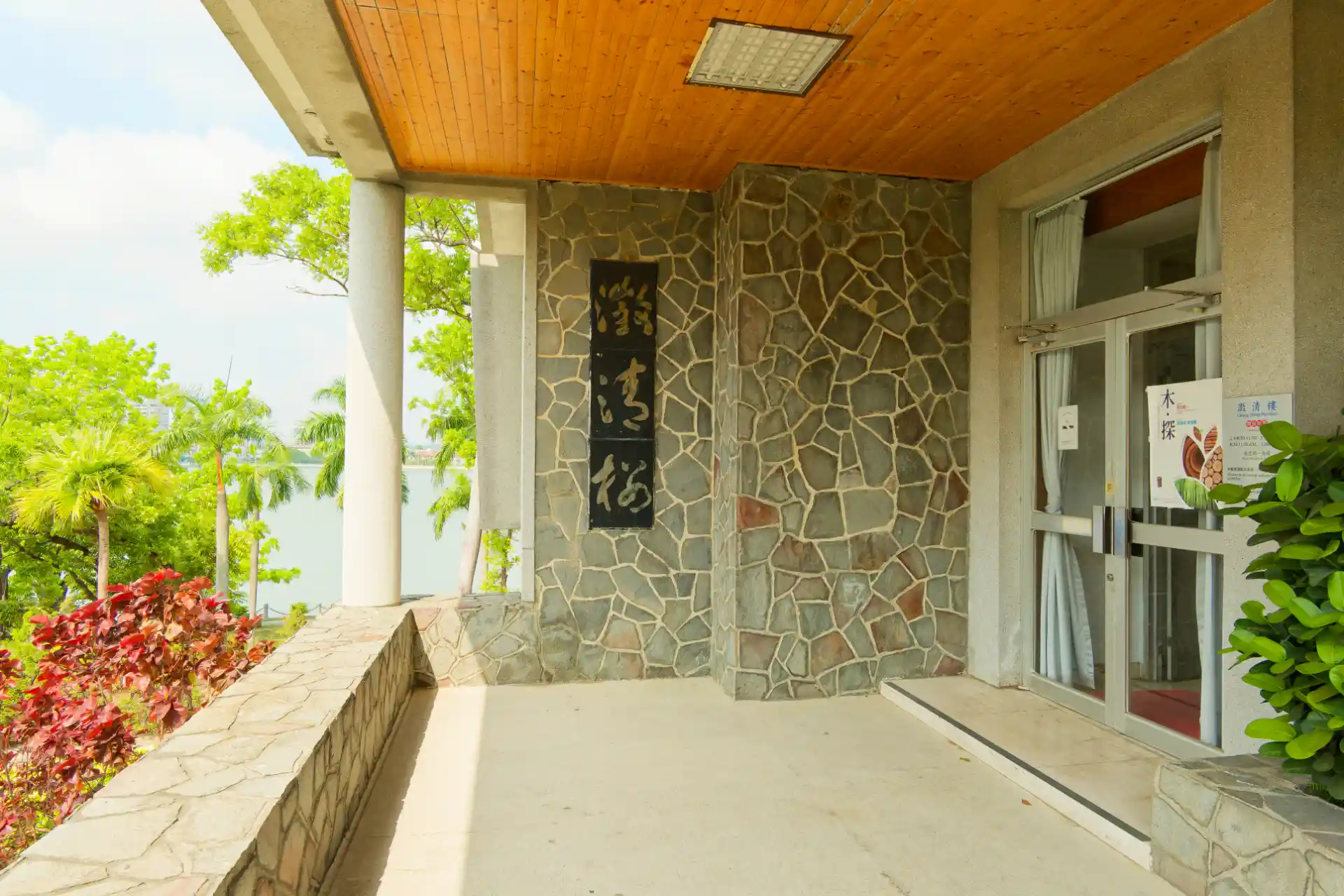
The winter residence is at the end of a winding road, on a small peninsula above Chengcing Lake. It’s open to the public six days a week.I’m not sure what these characters say next to the entrance. The lake is visible beyond.
There was an elderly man at a desk in the entrance hall. I assumed he might revere Chiang Kai-Shek, as some in Taiwan still do—especially if they’re supporters of the KMT (Chinese nationalist) party.
He was a really nice guy, and we chatted briefly in Chinese.
Then he directed me to start in the room on my left.
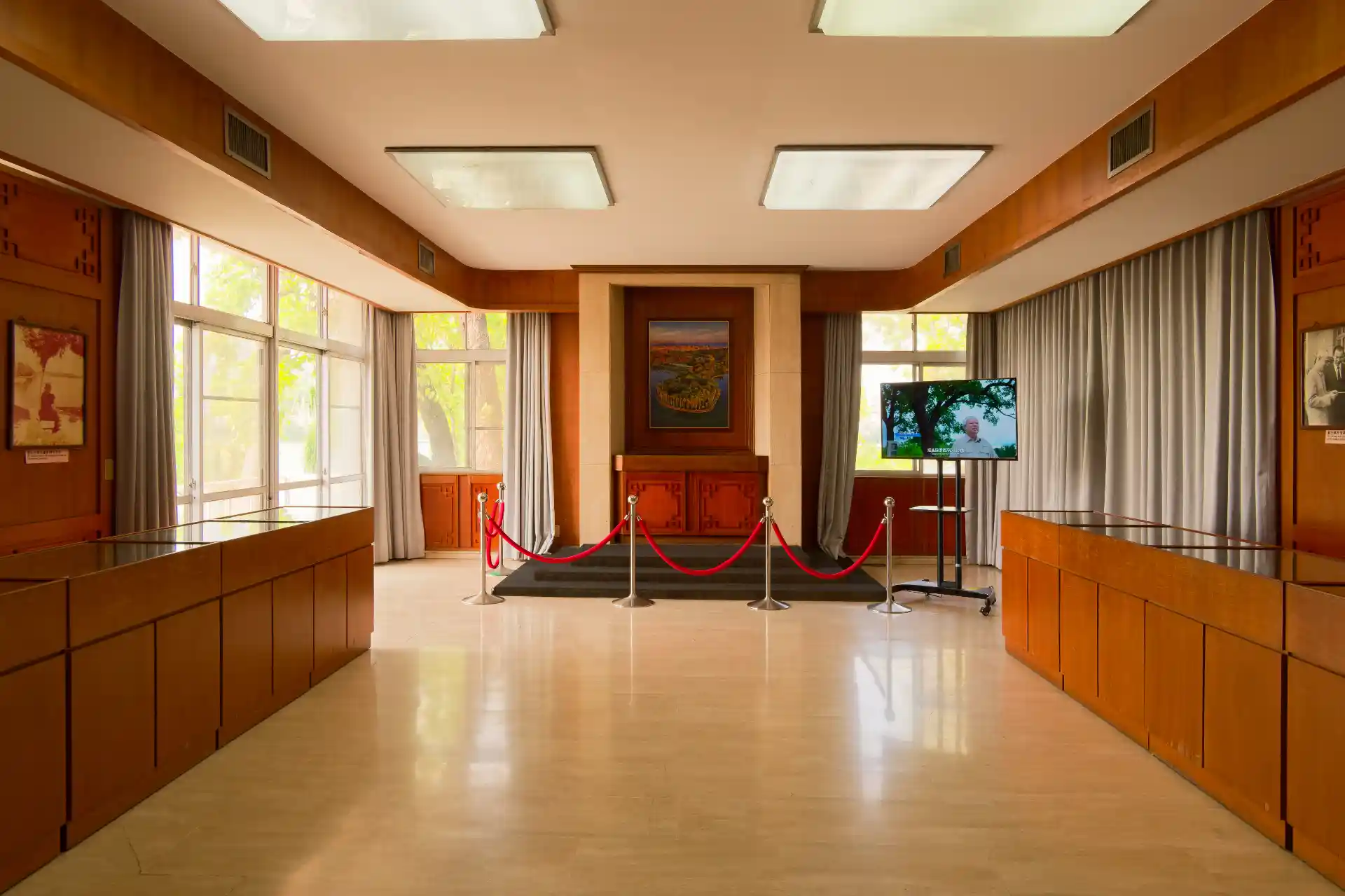
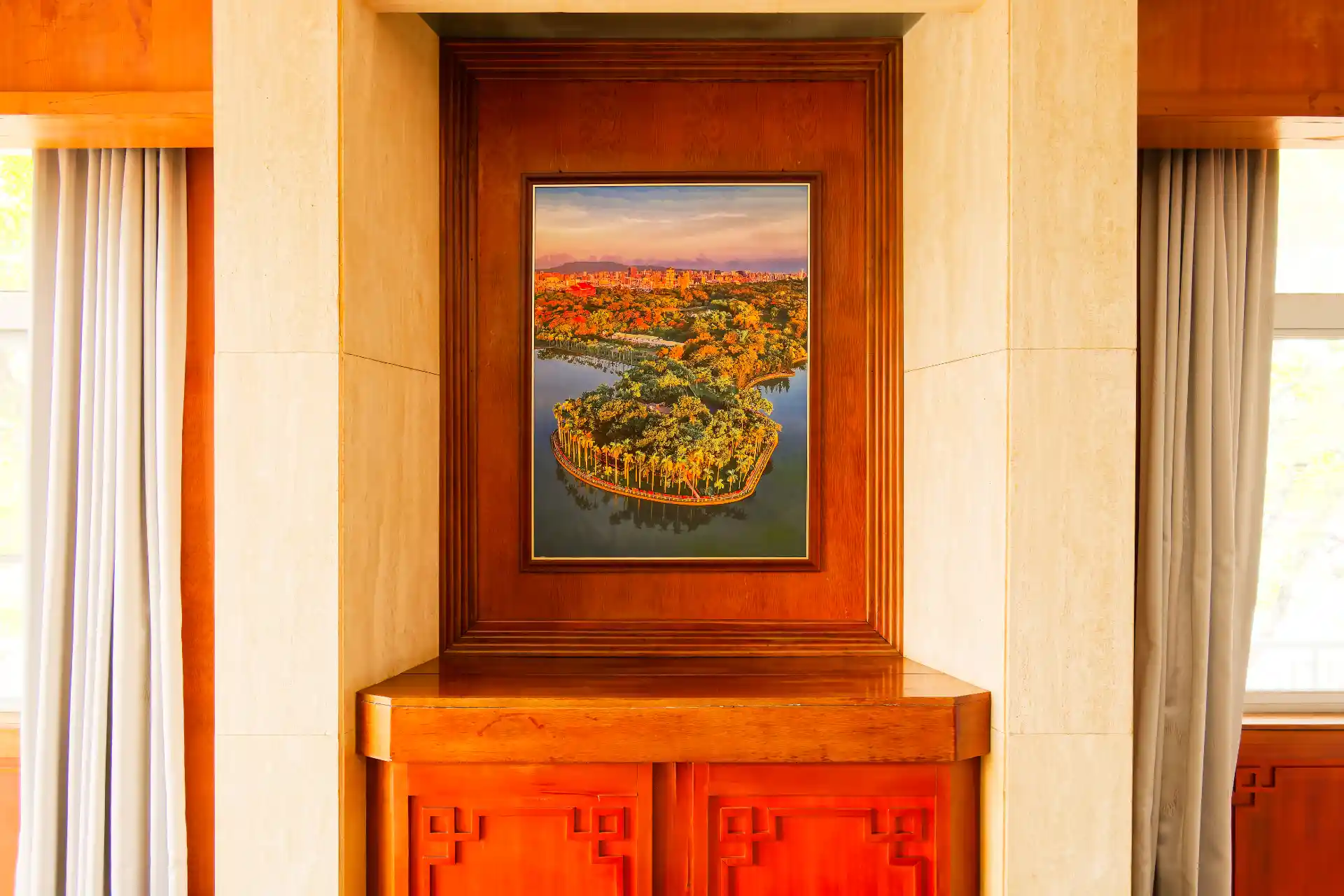
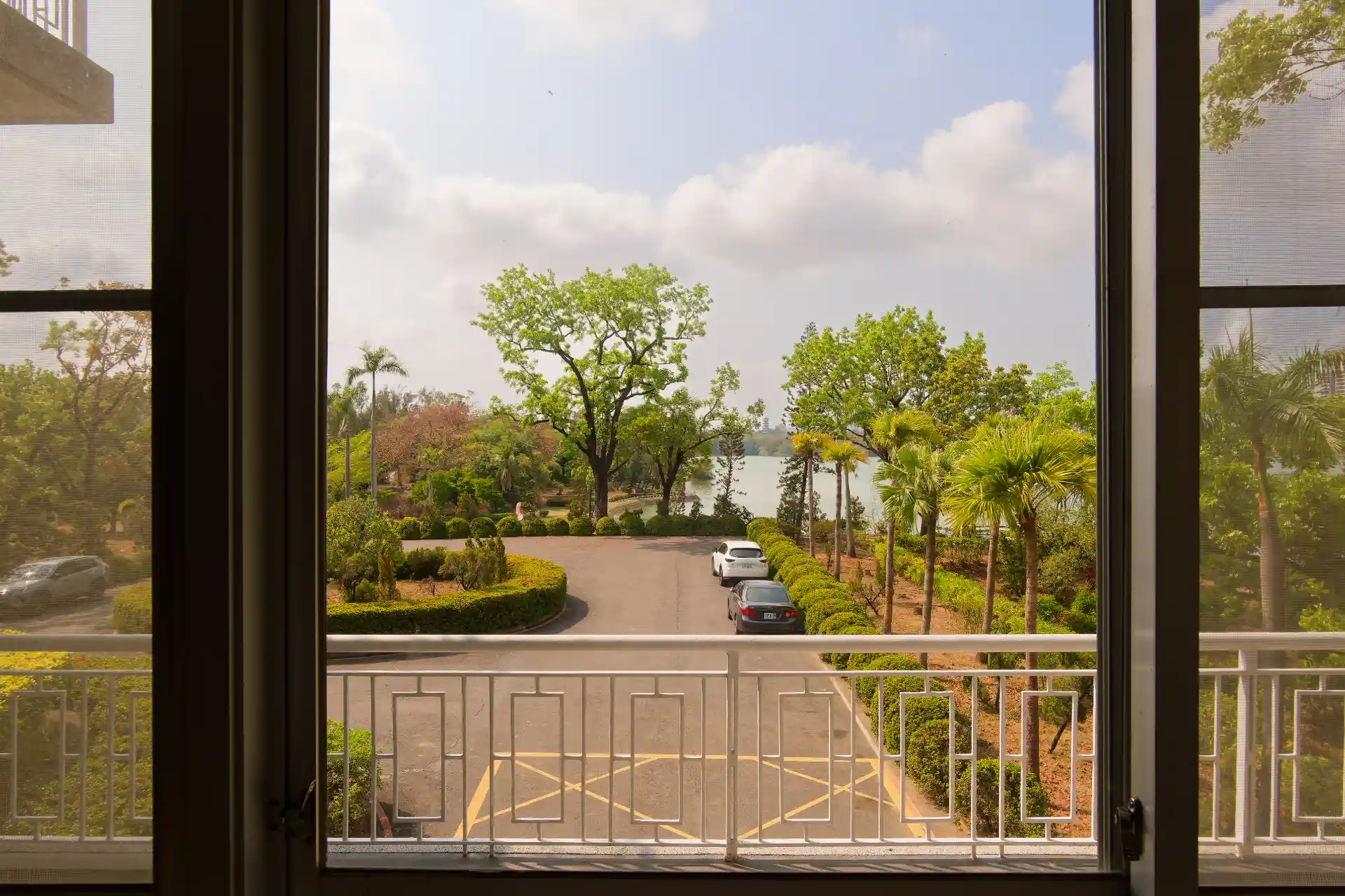
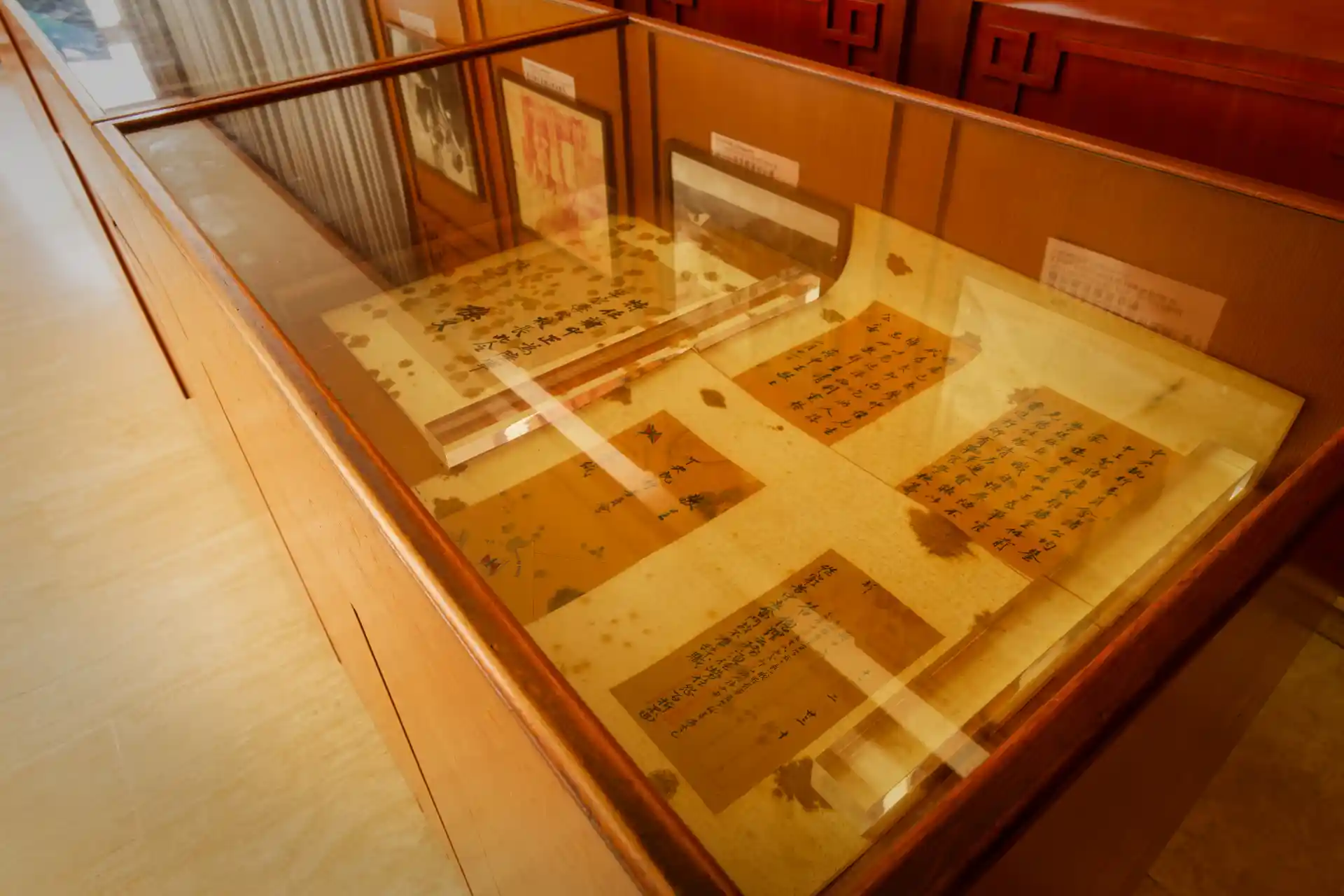
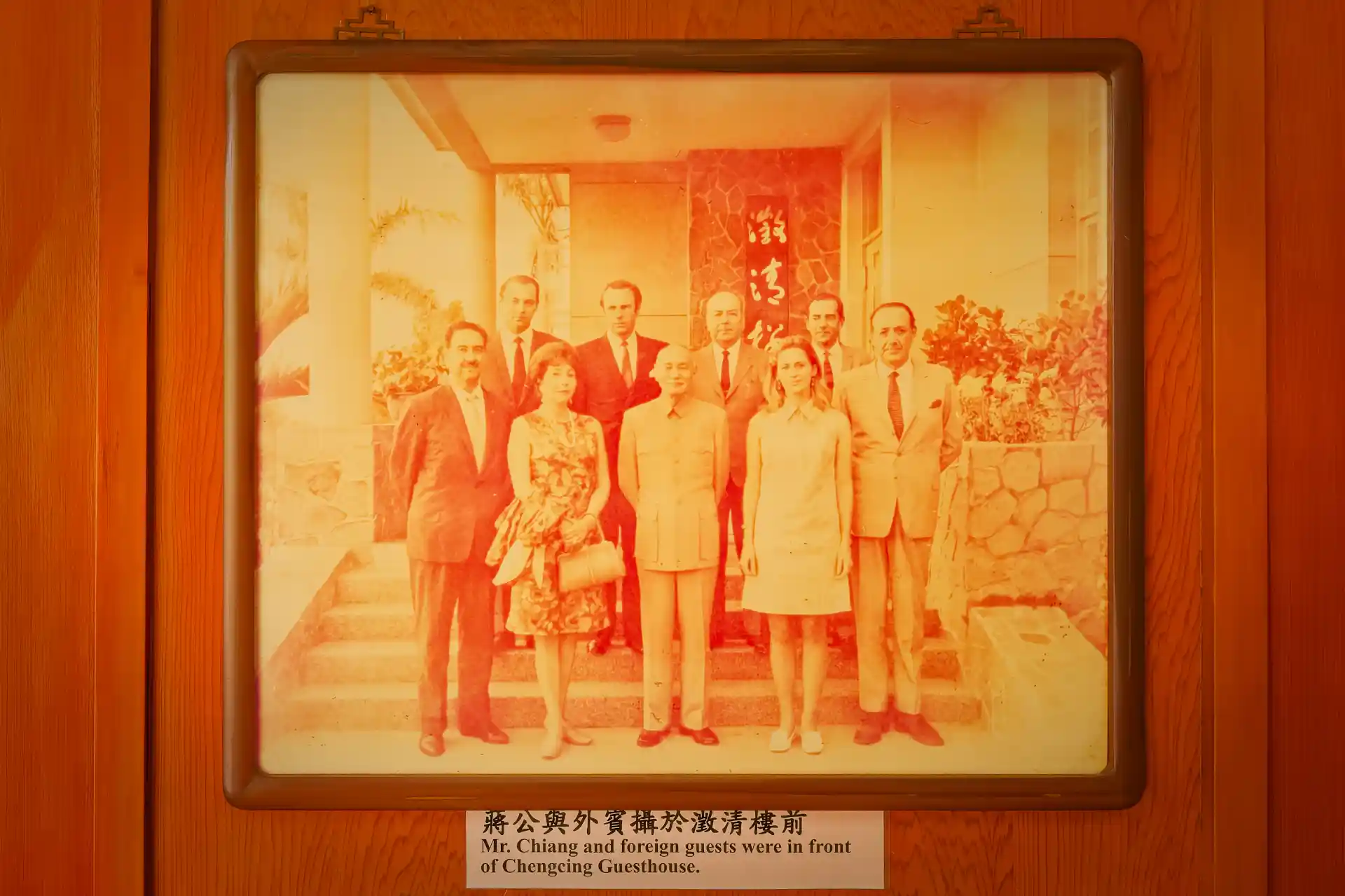
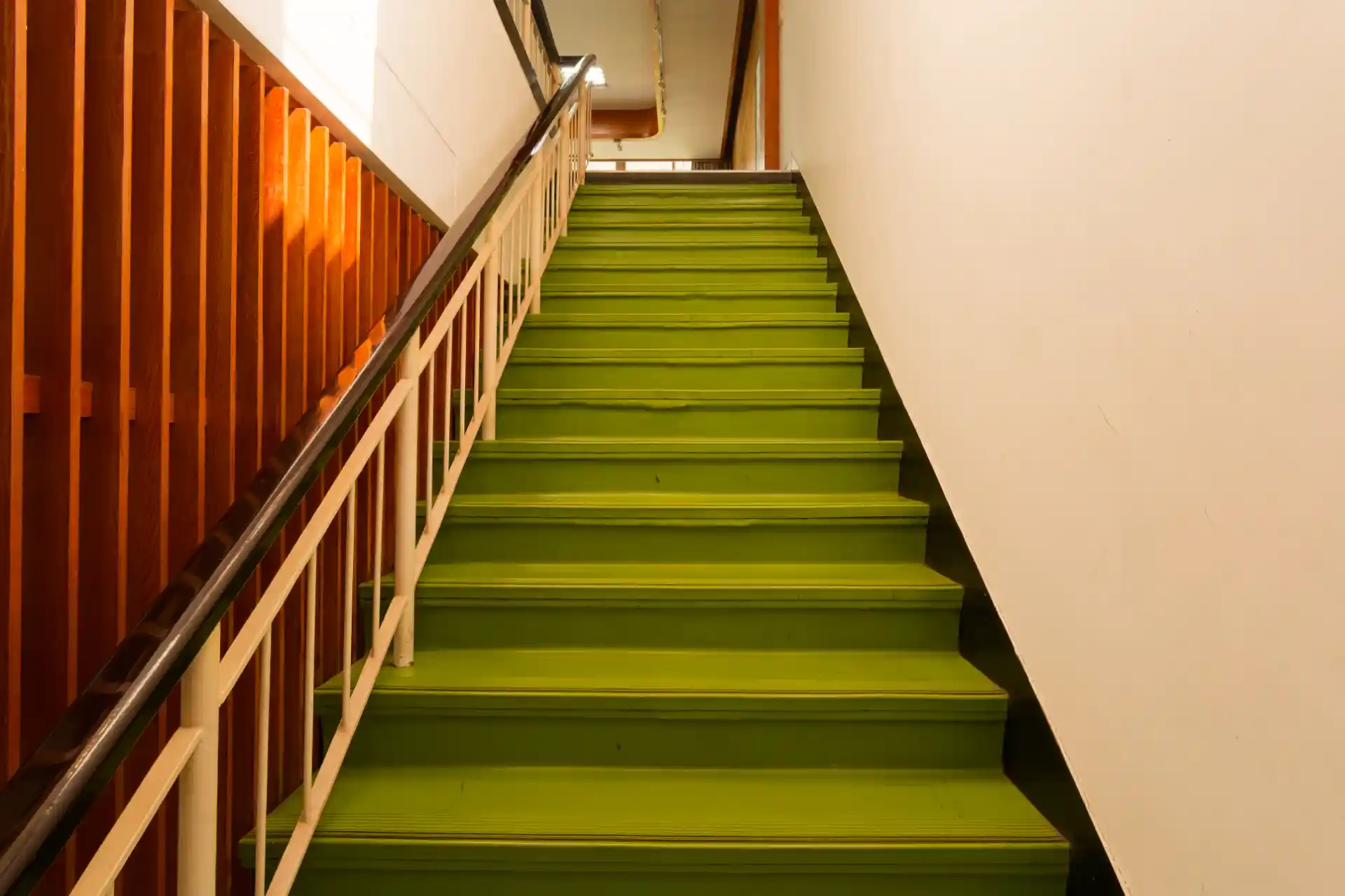
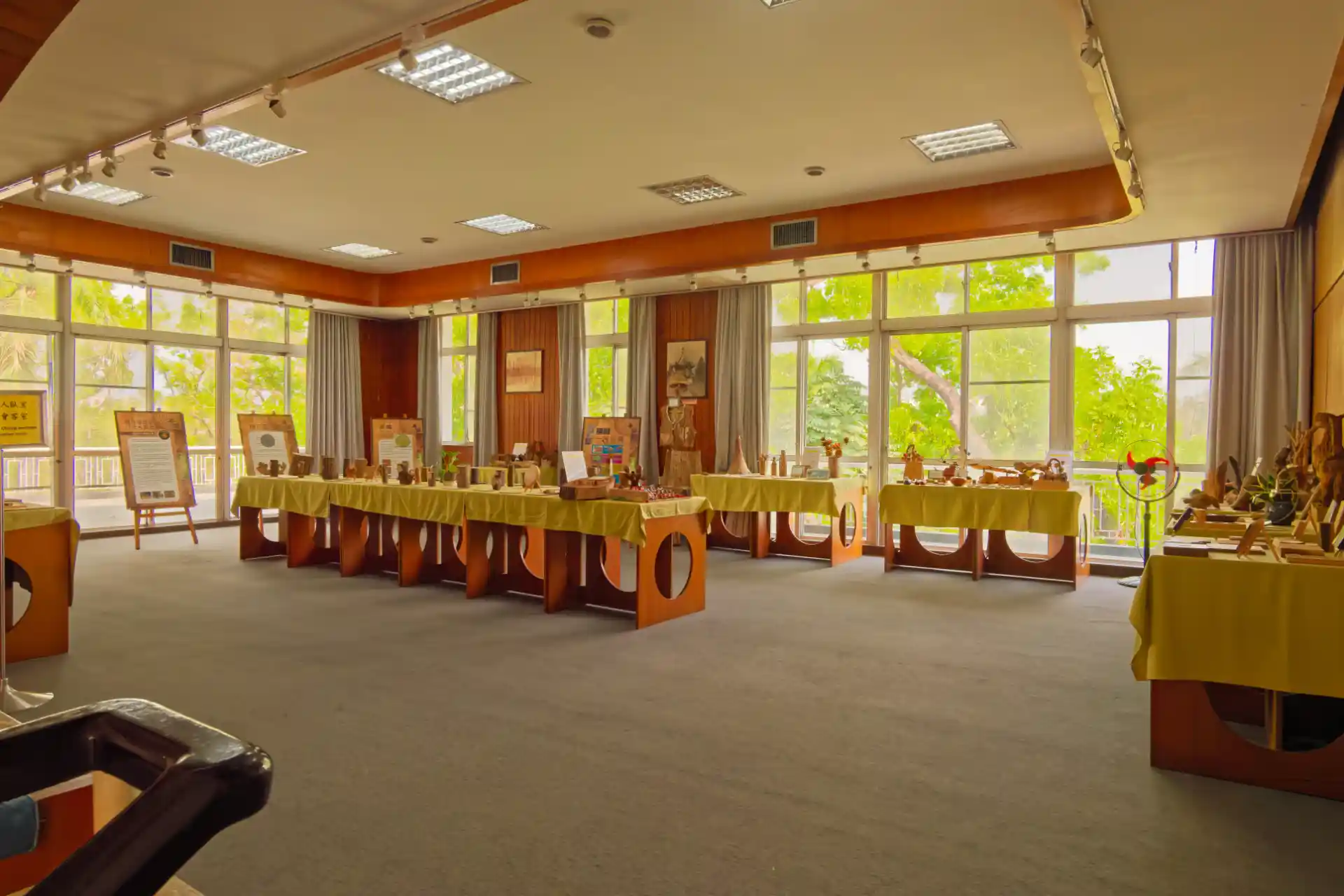
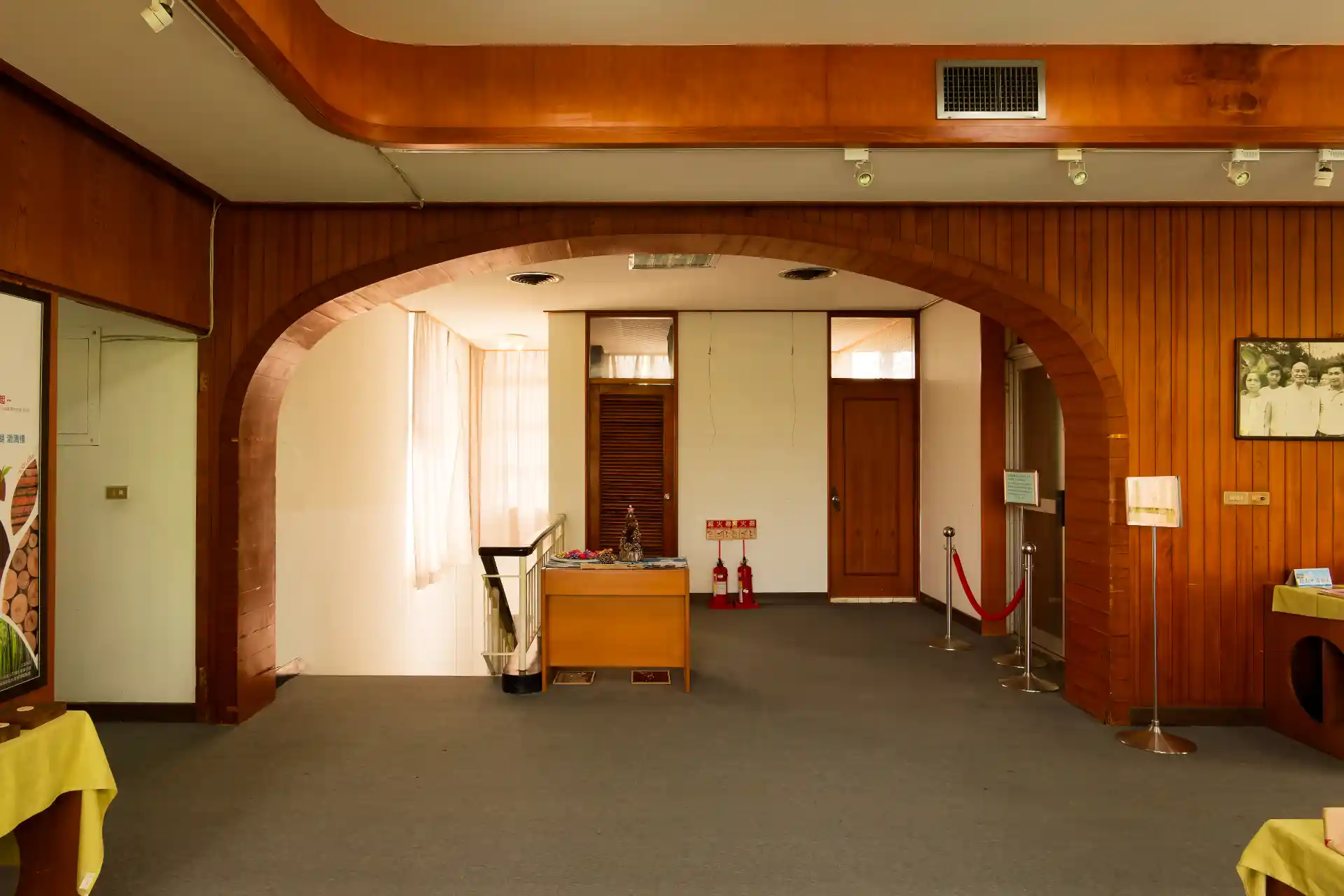
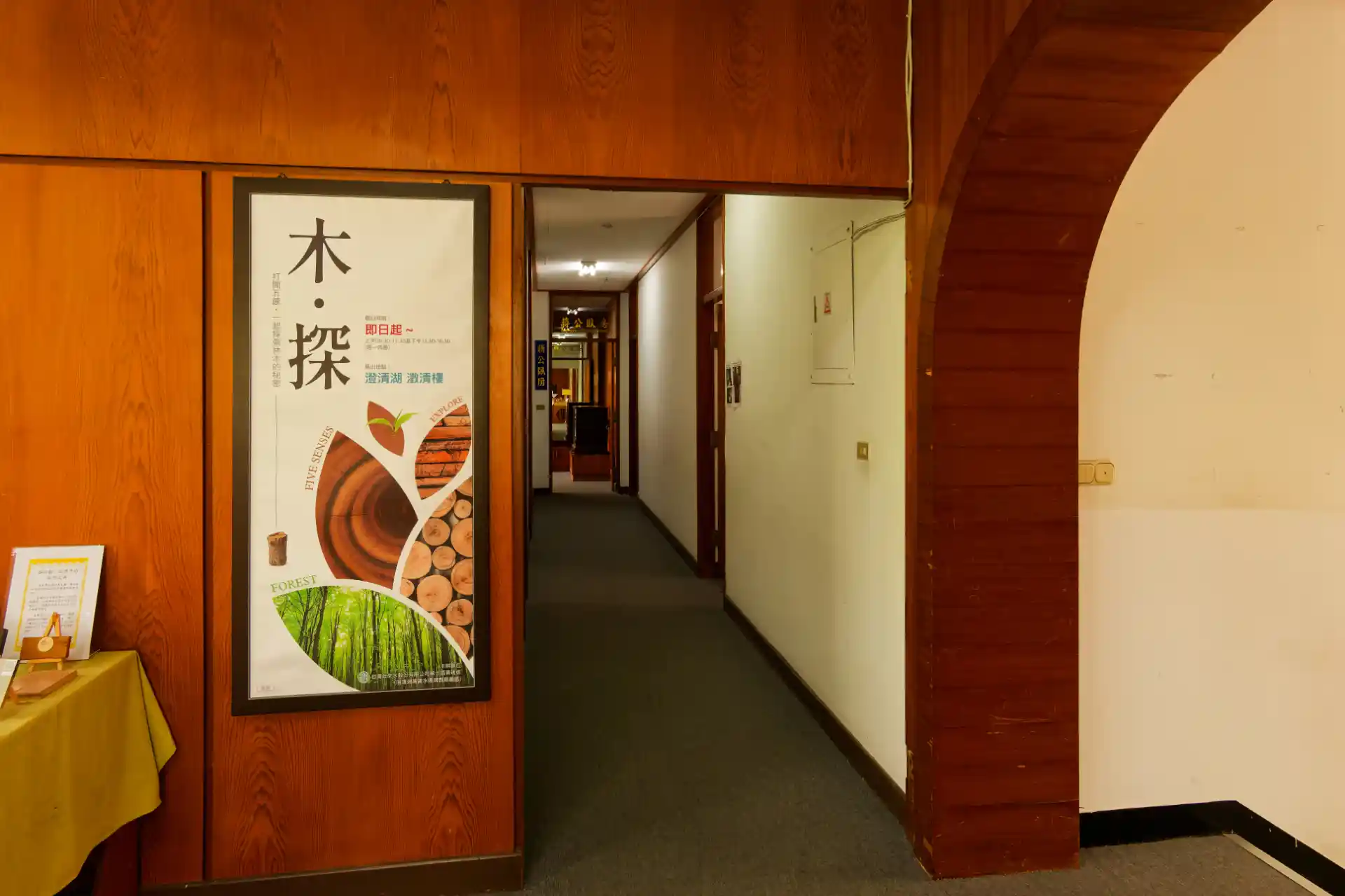
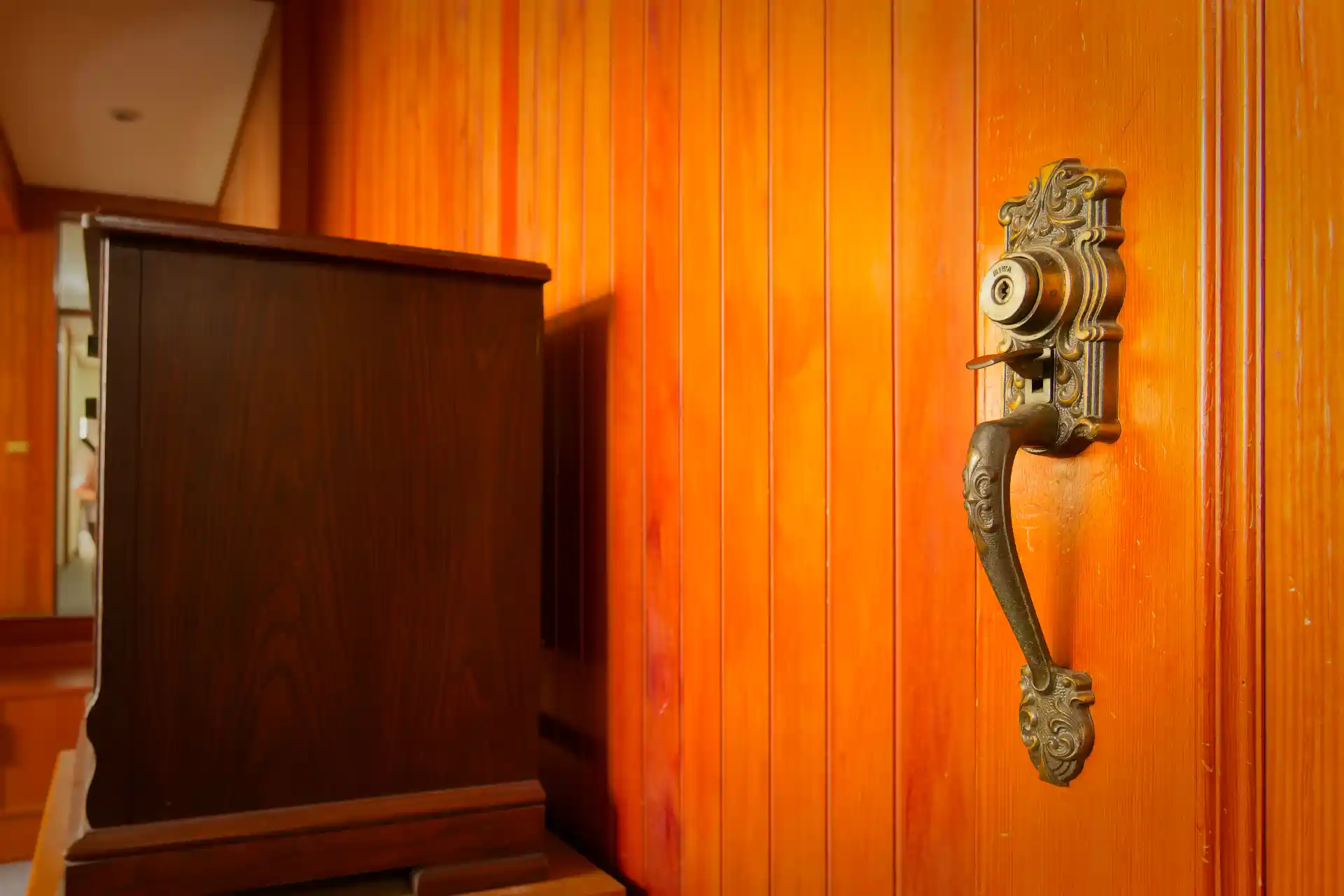
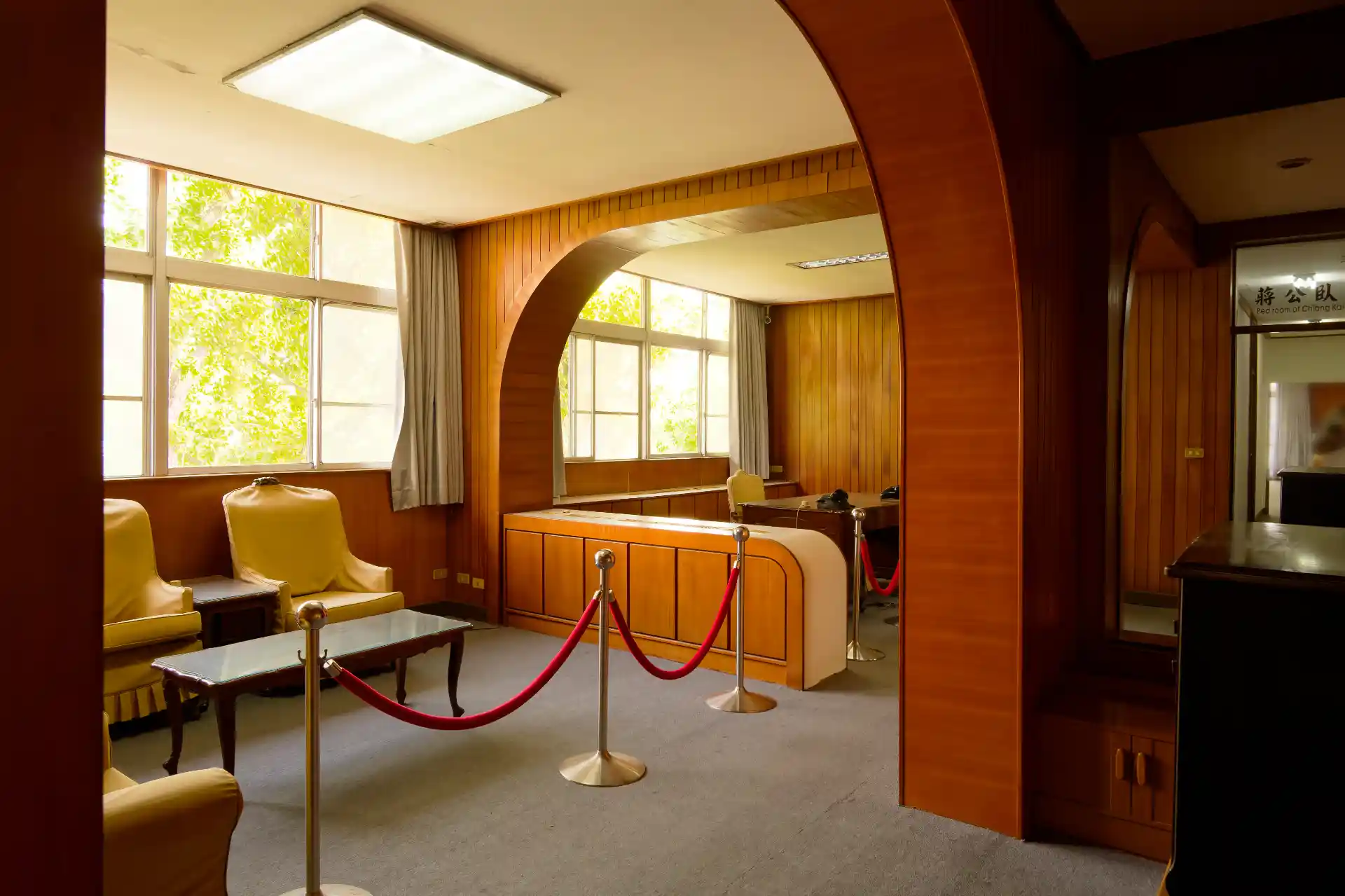
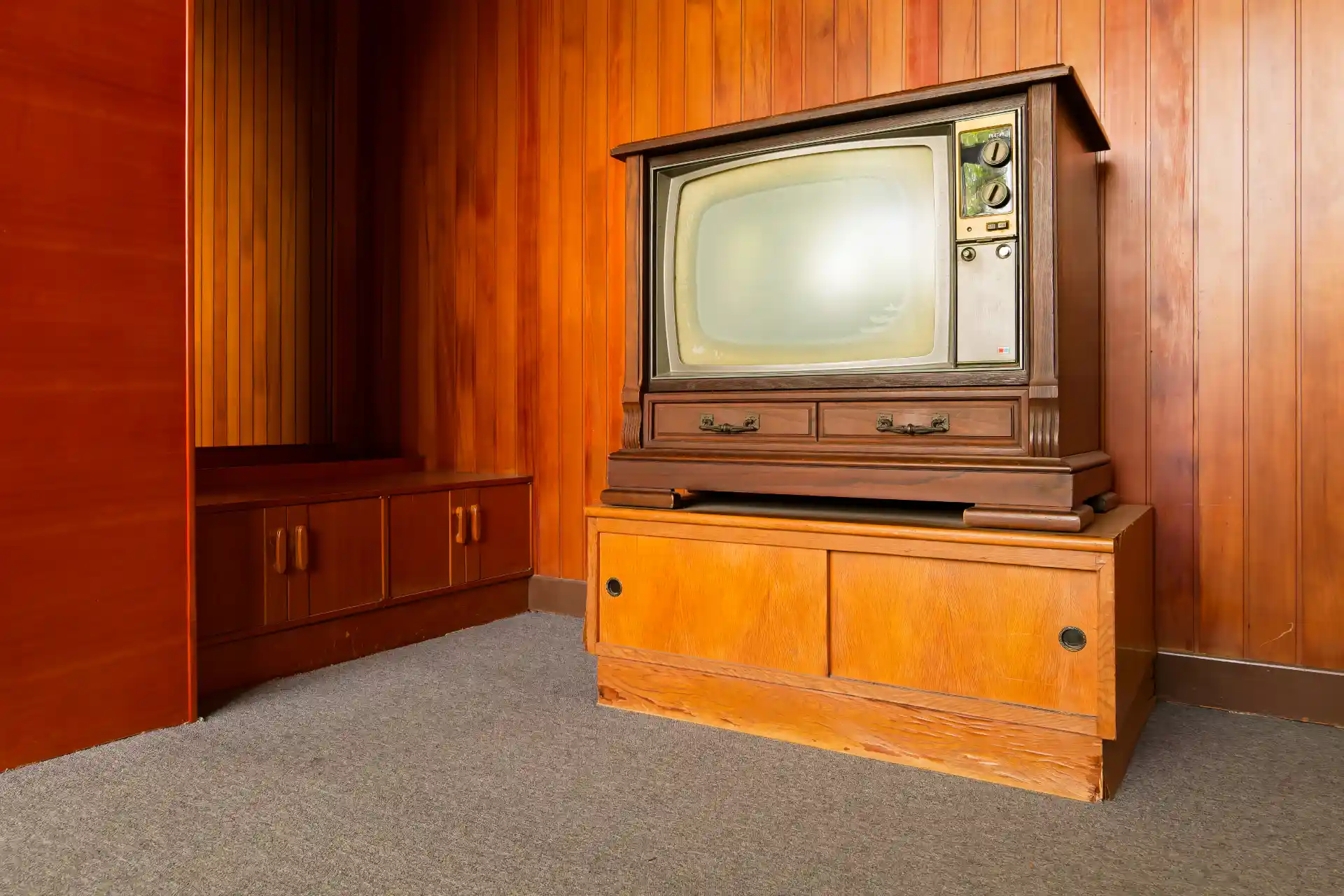
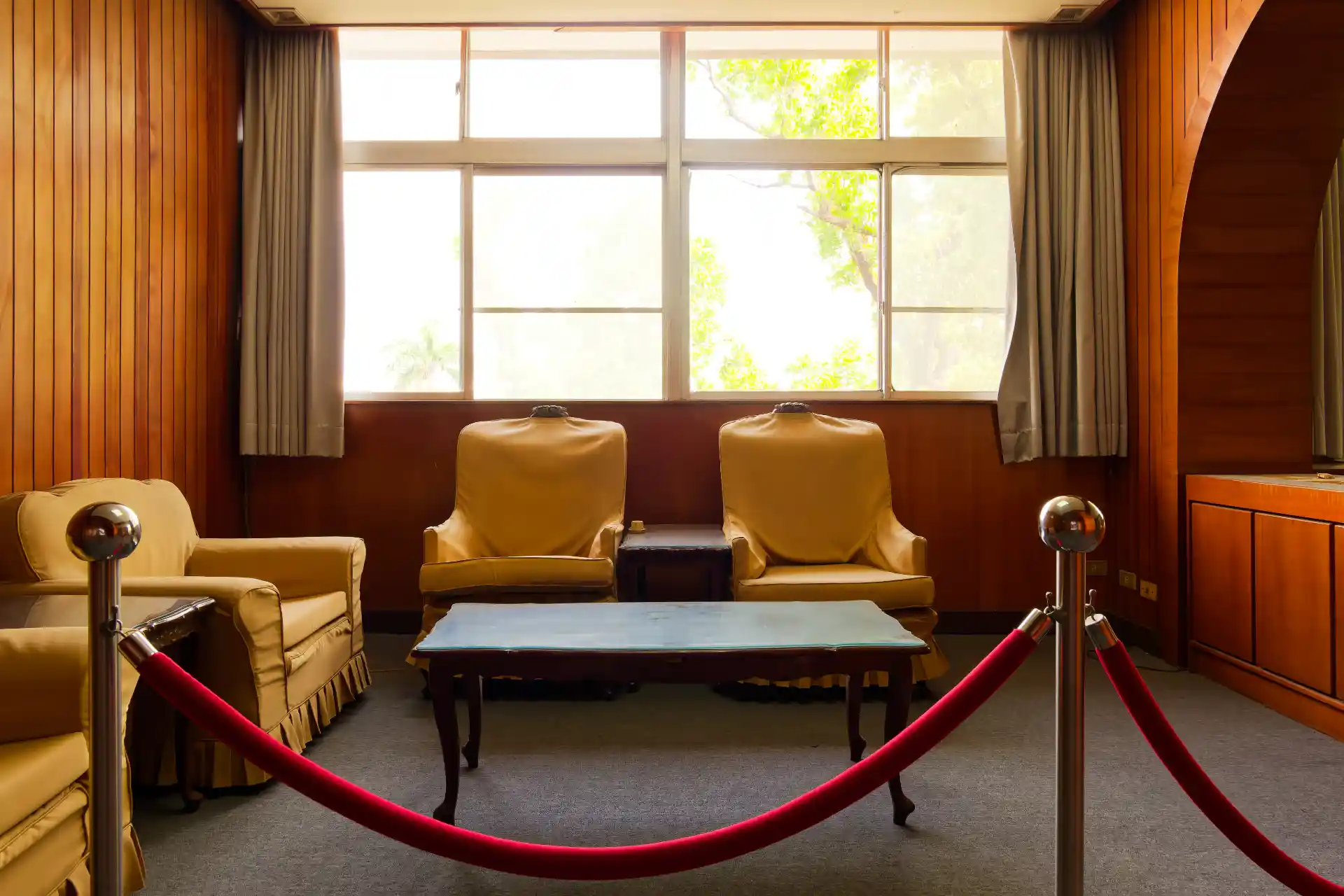
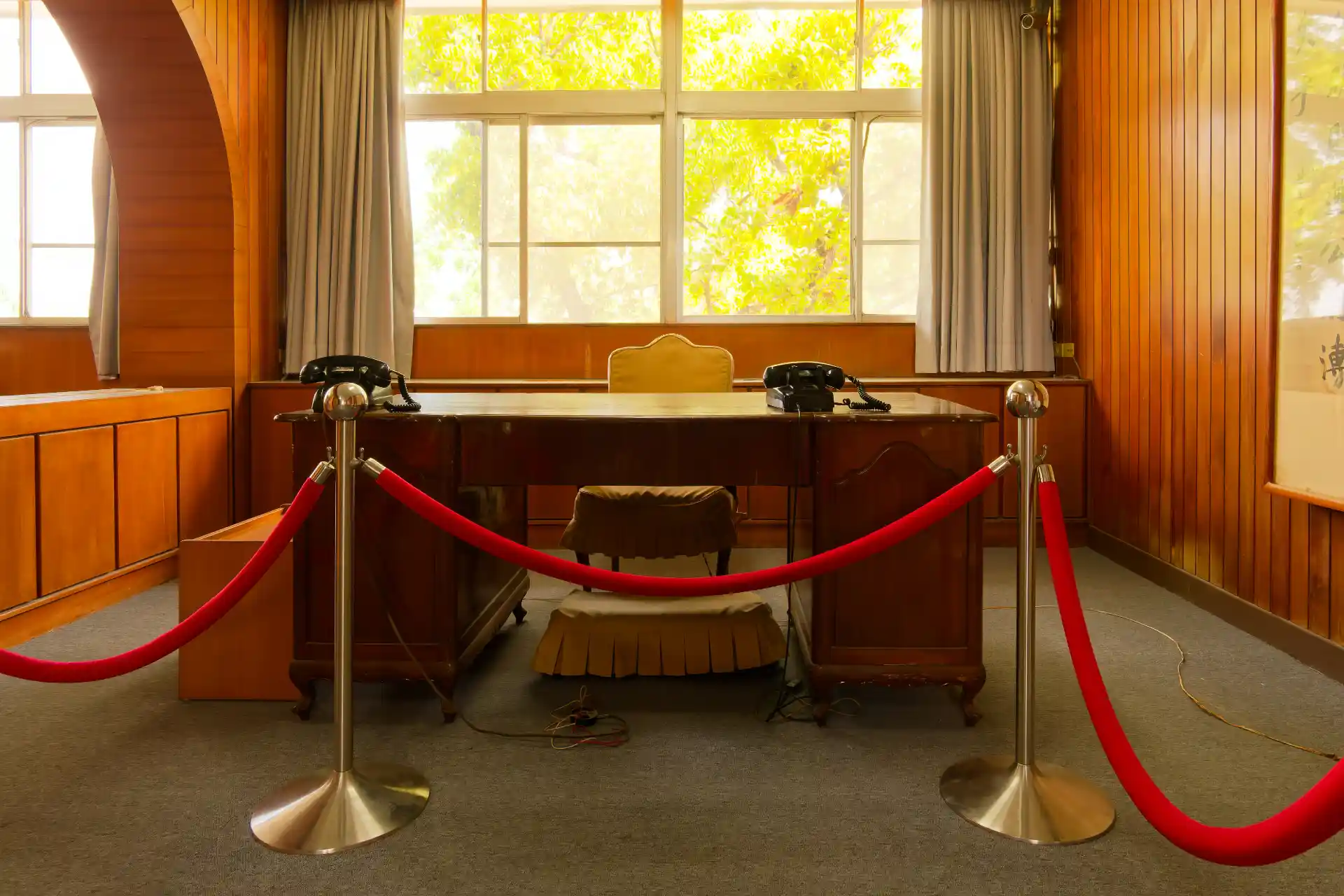
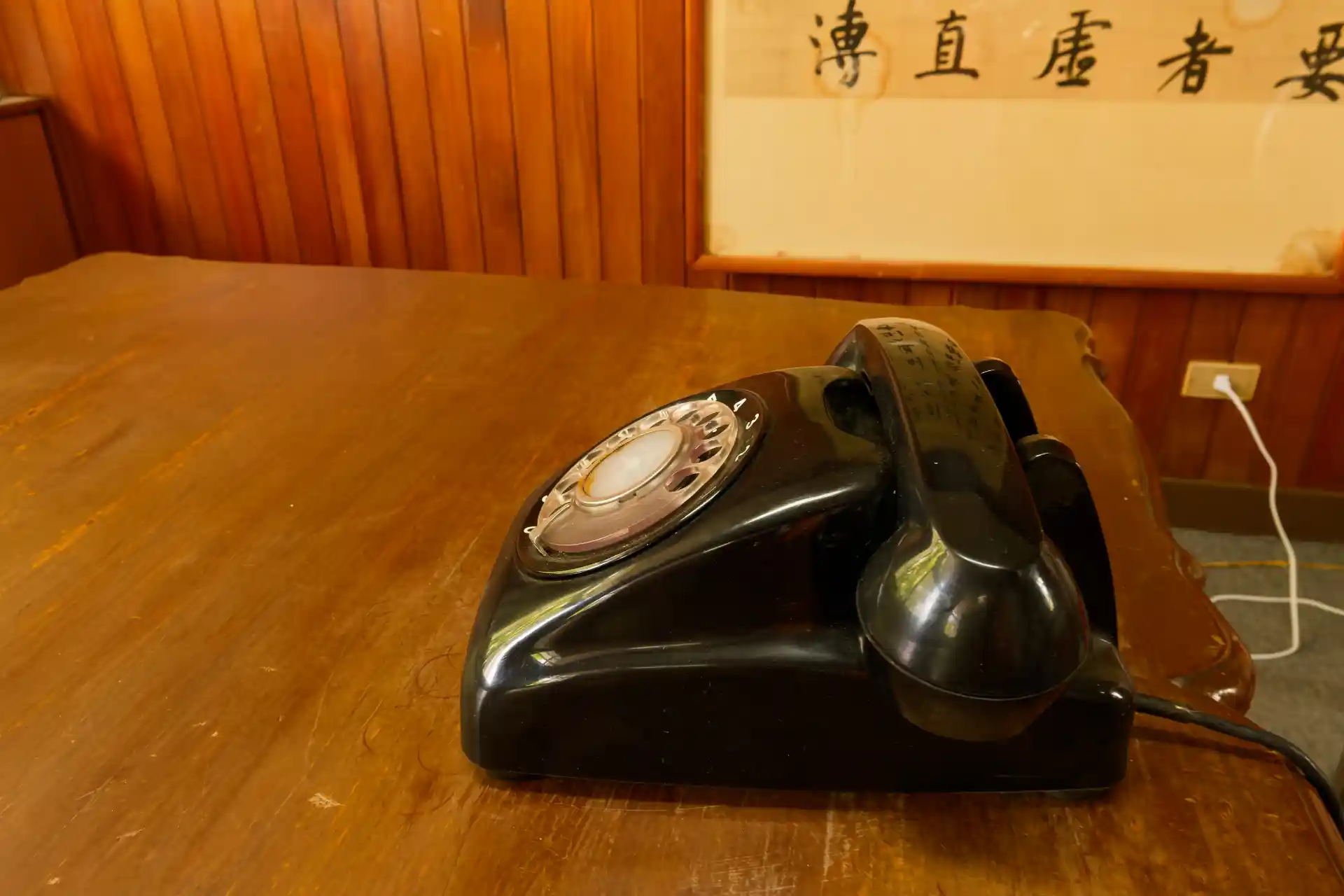
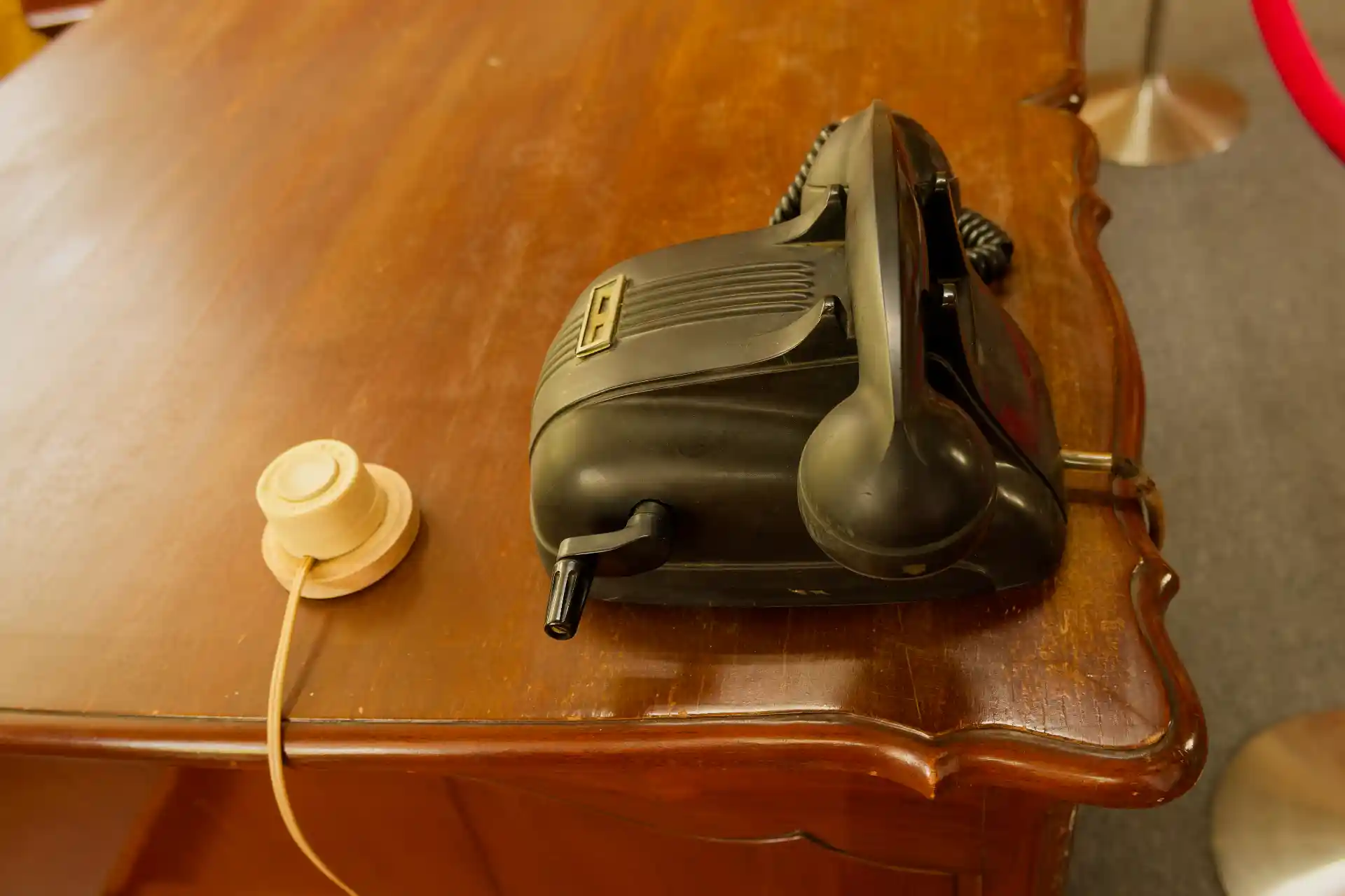
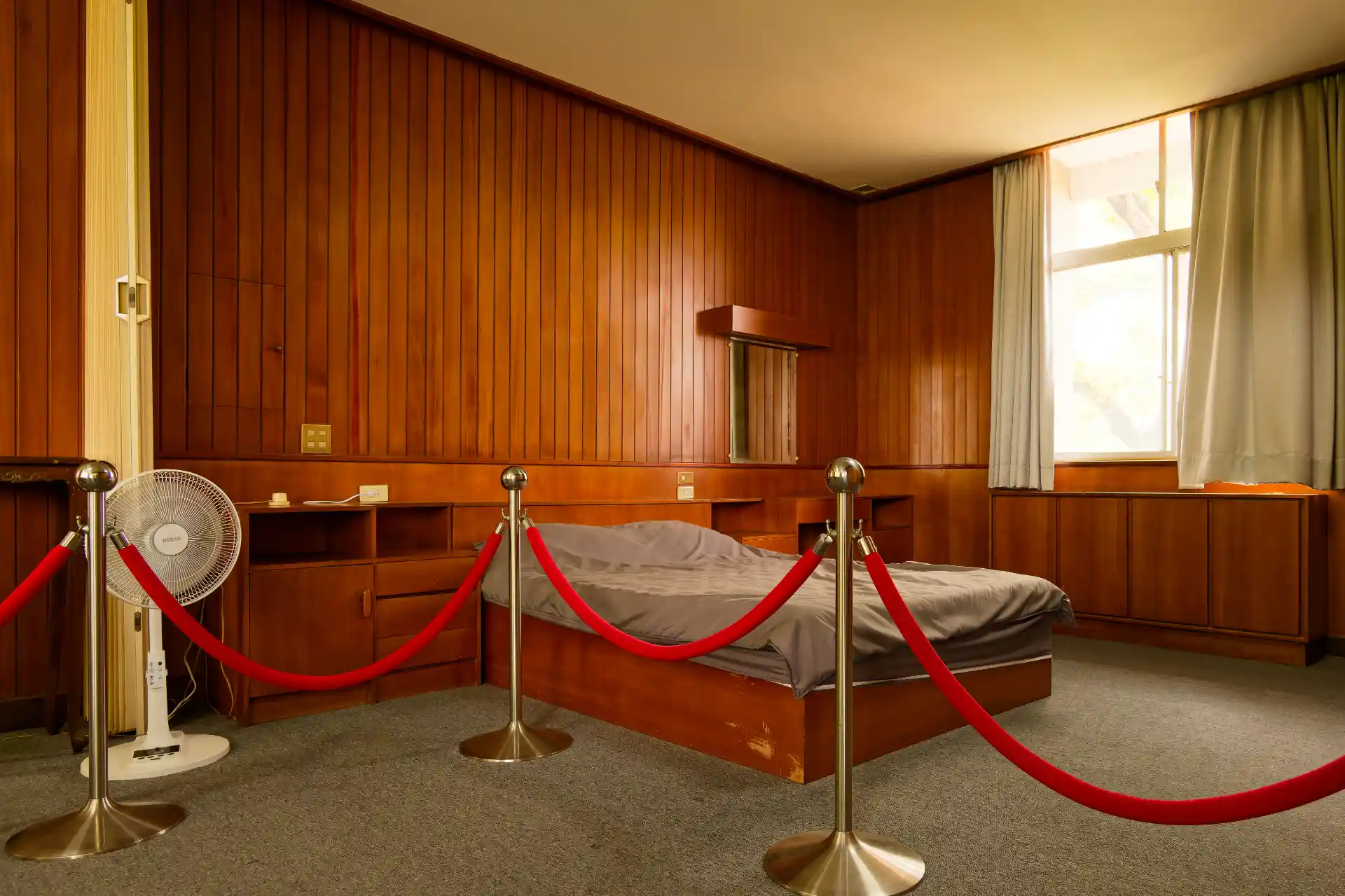
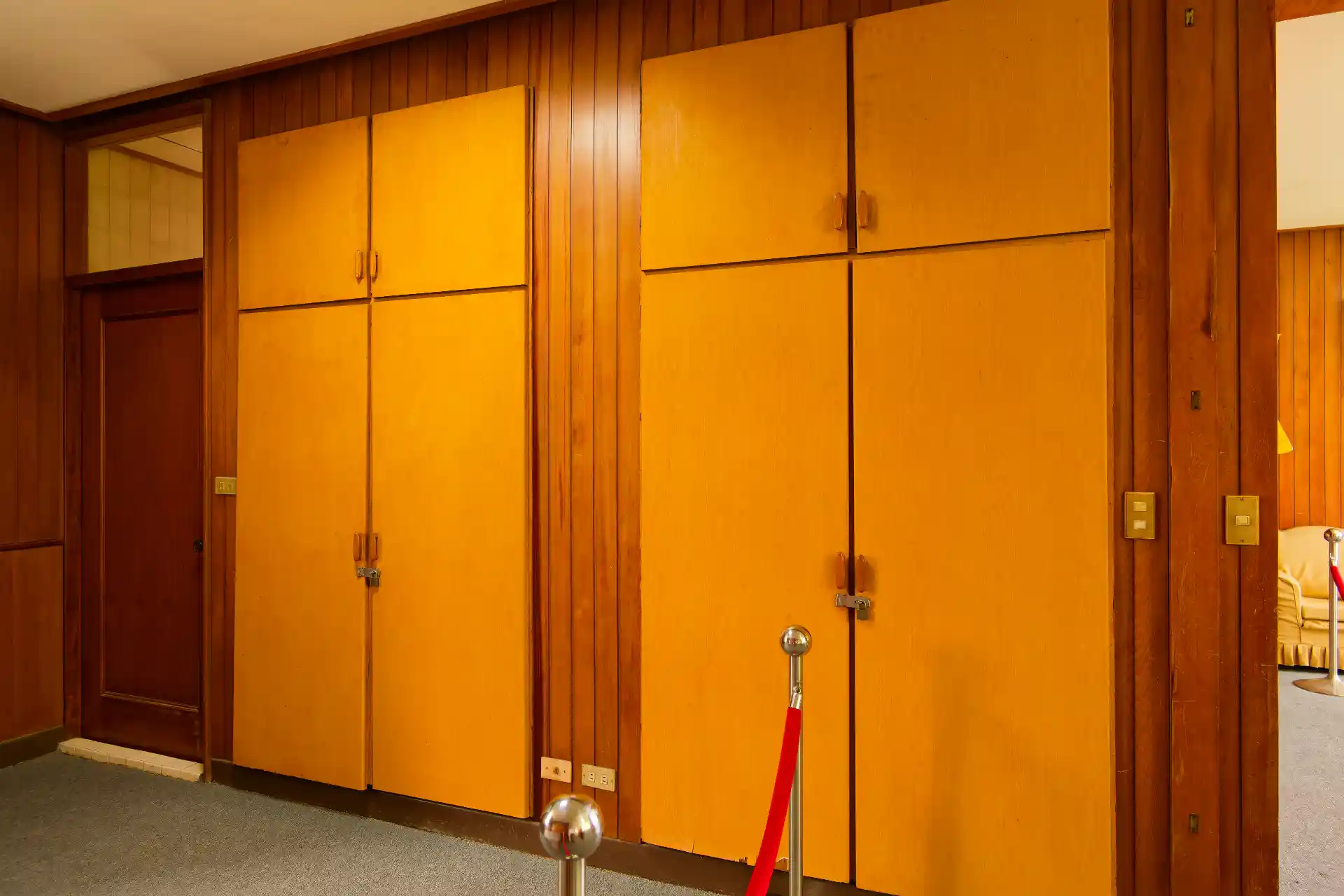
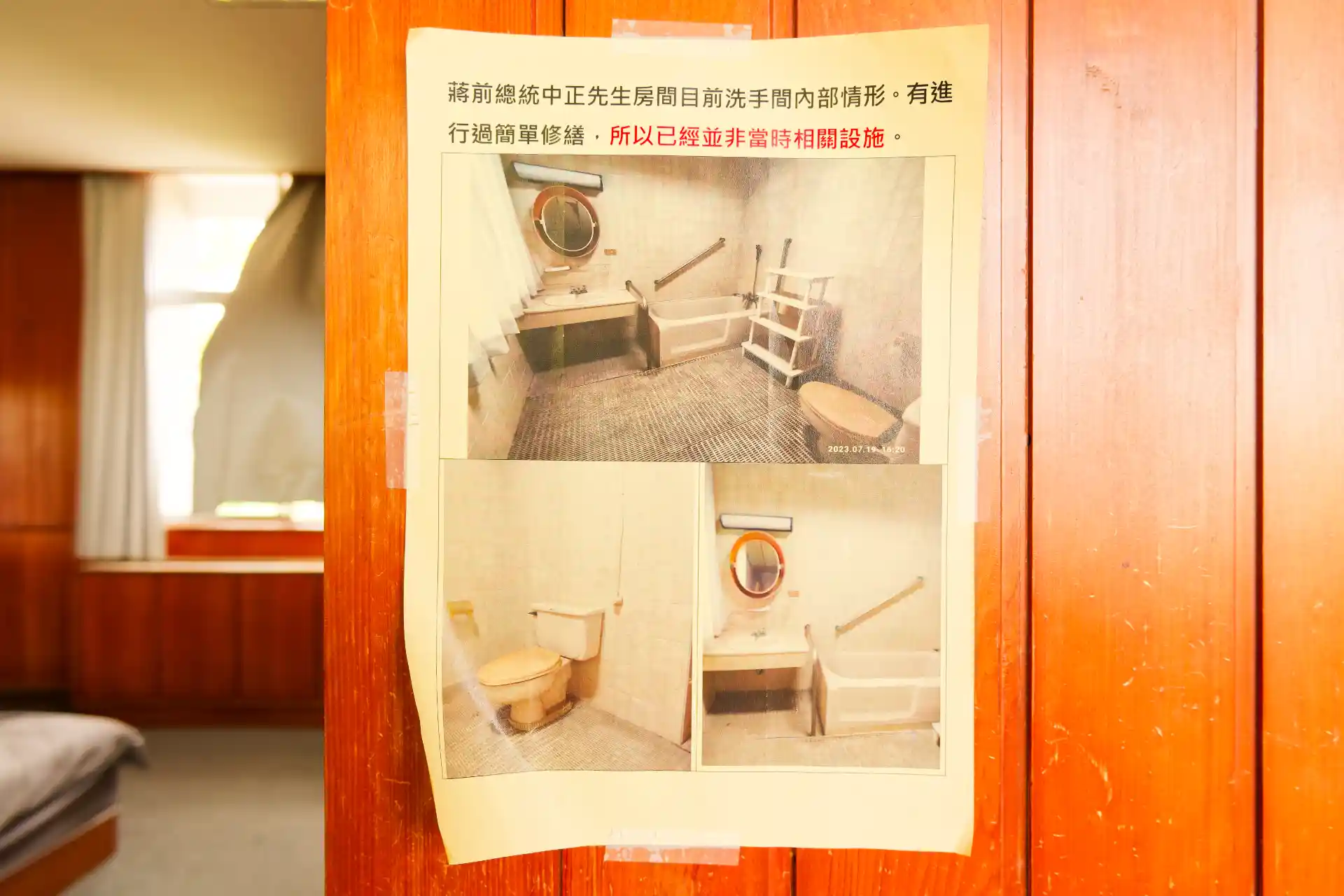
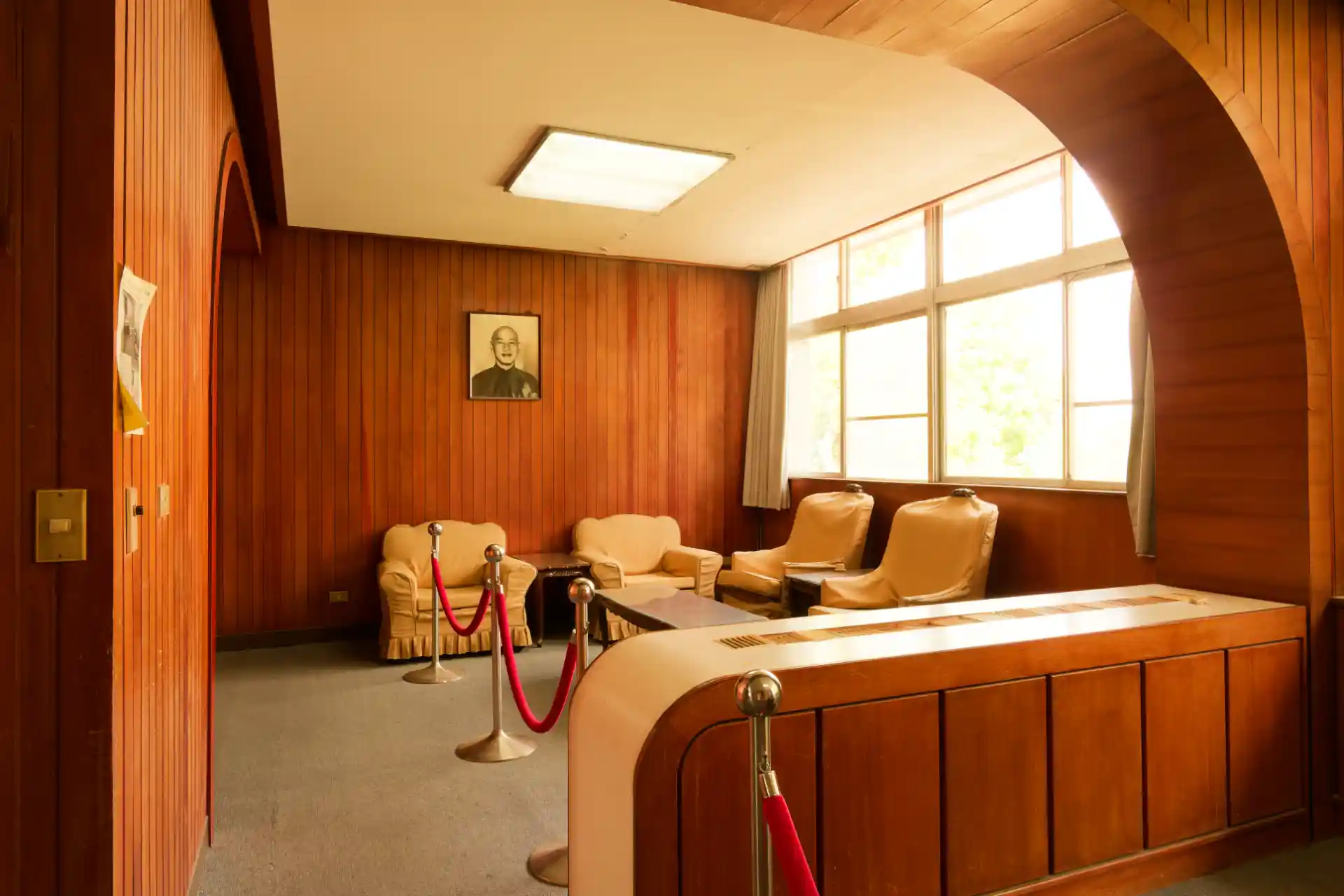
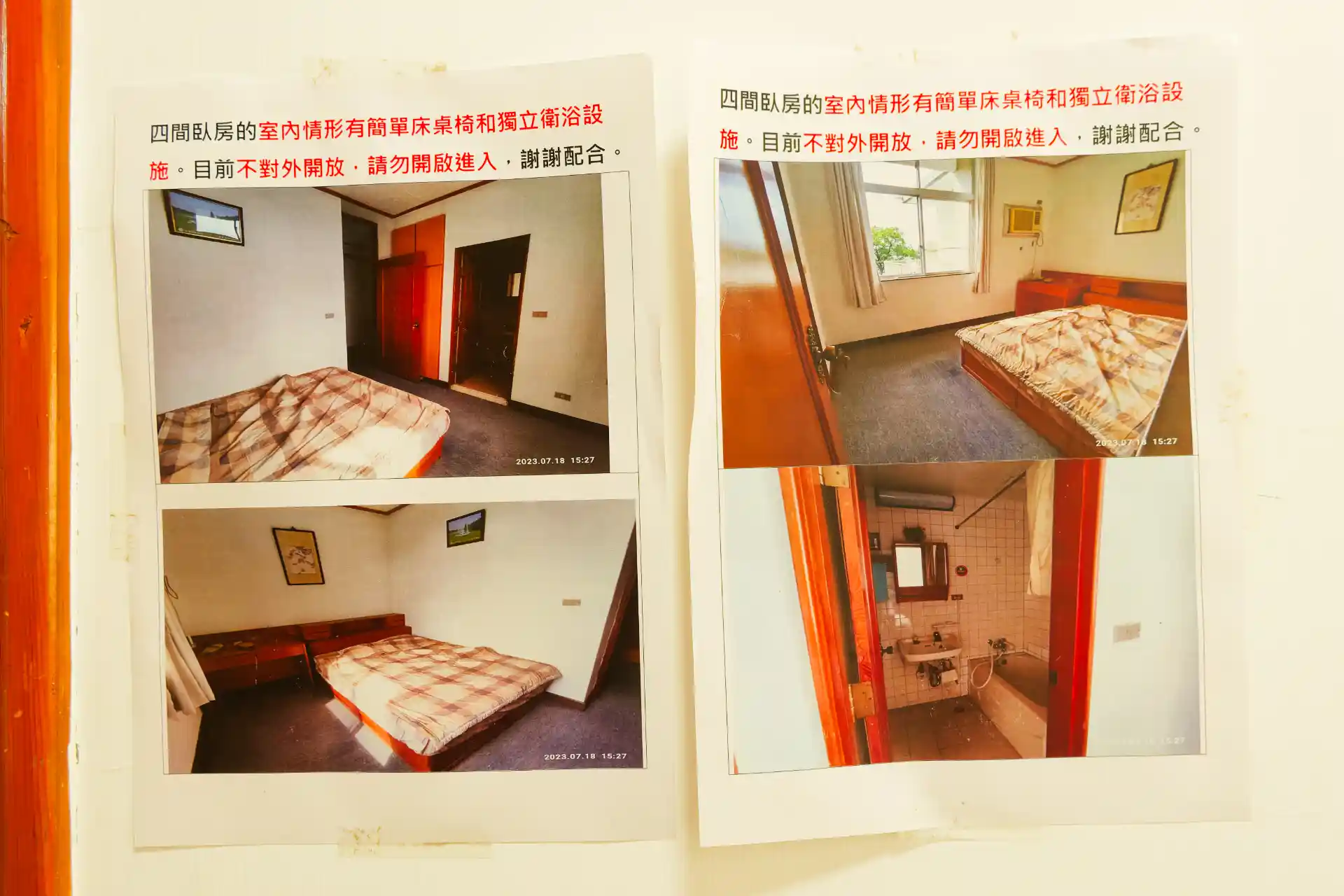
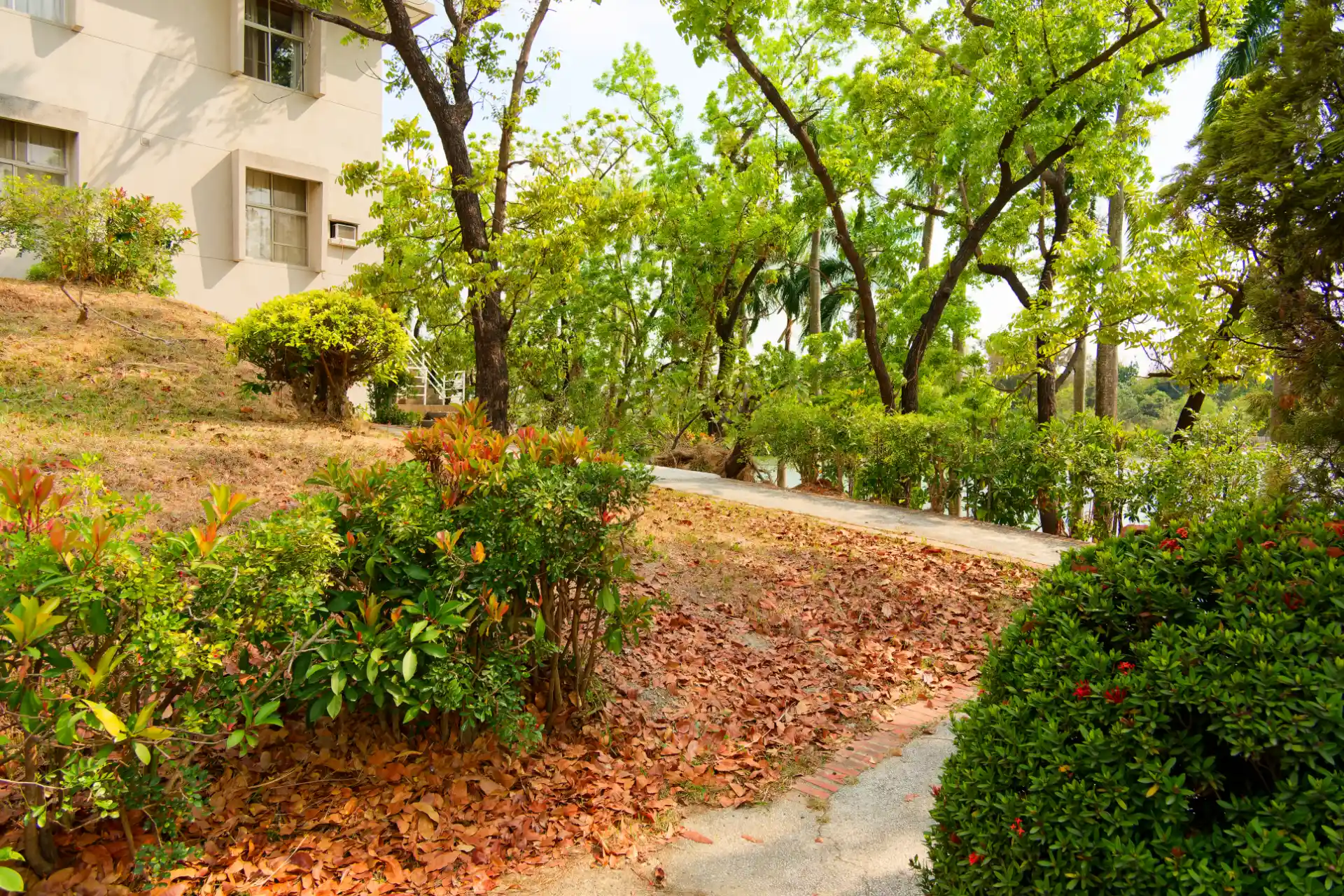
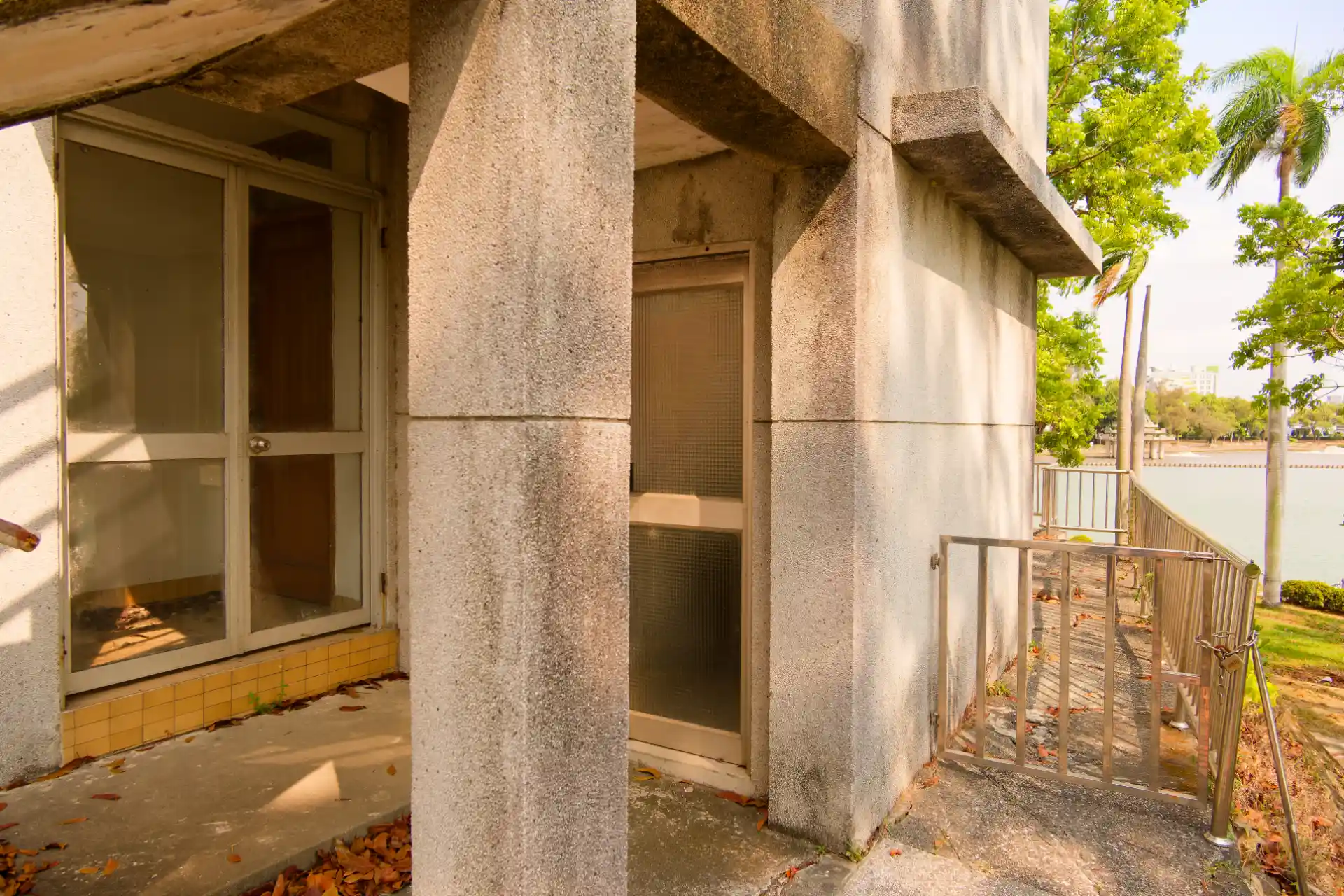
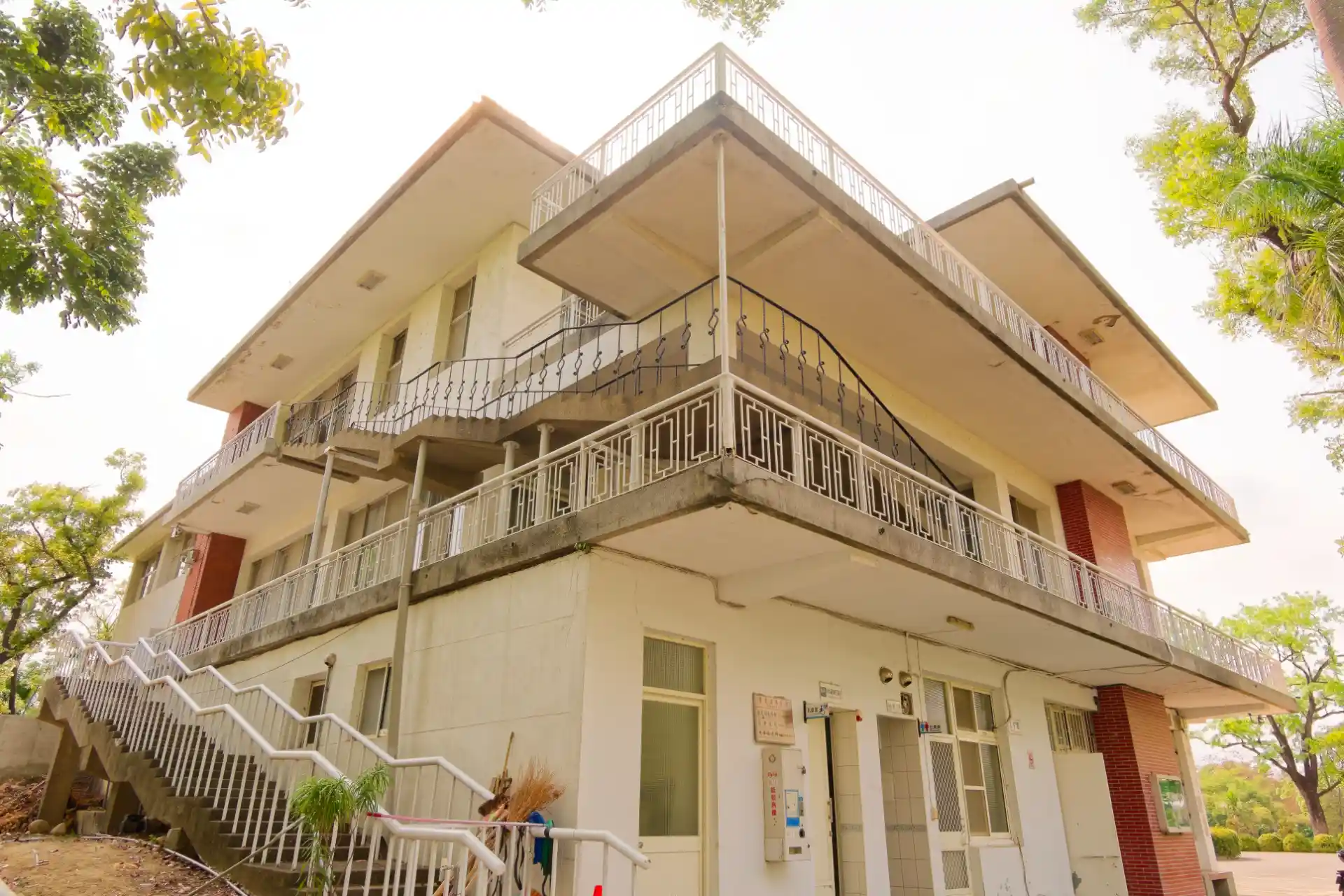
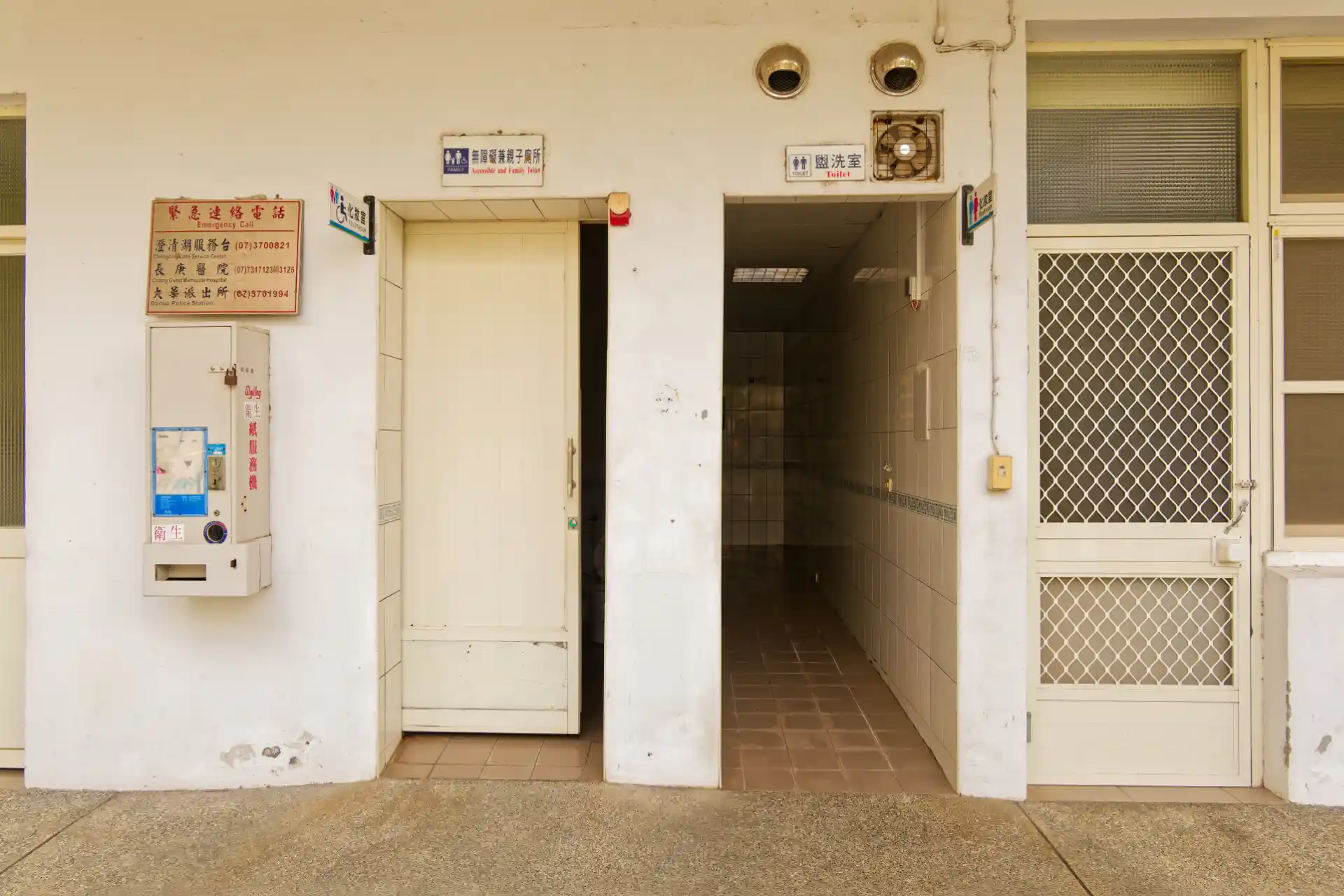
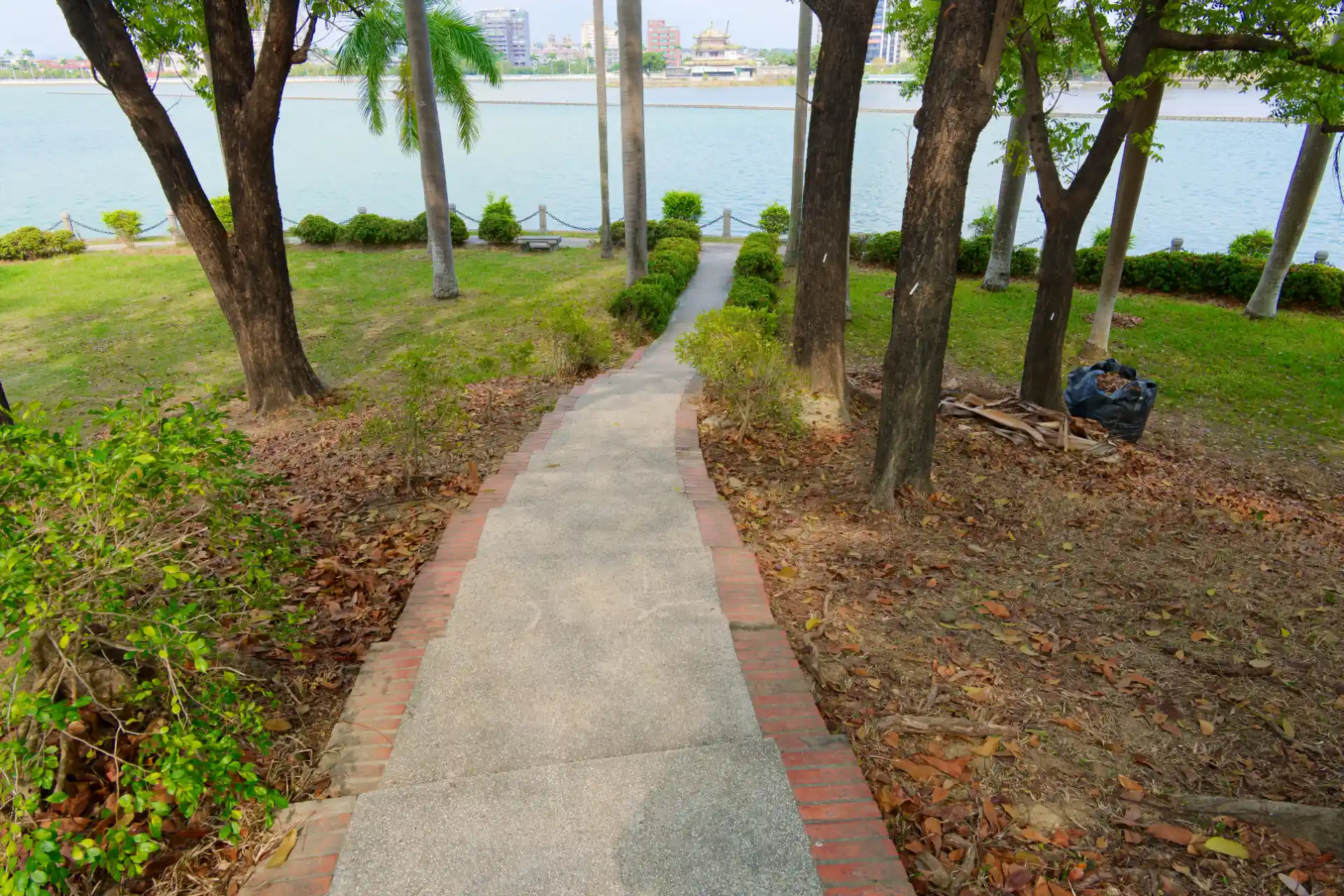
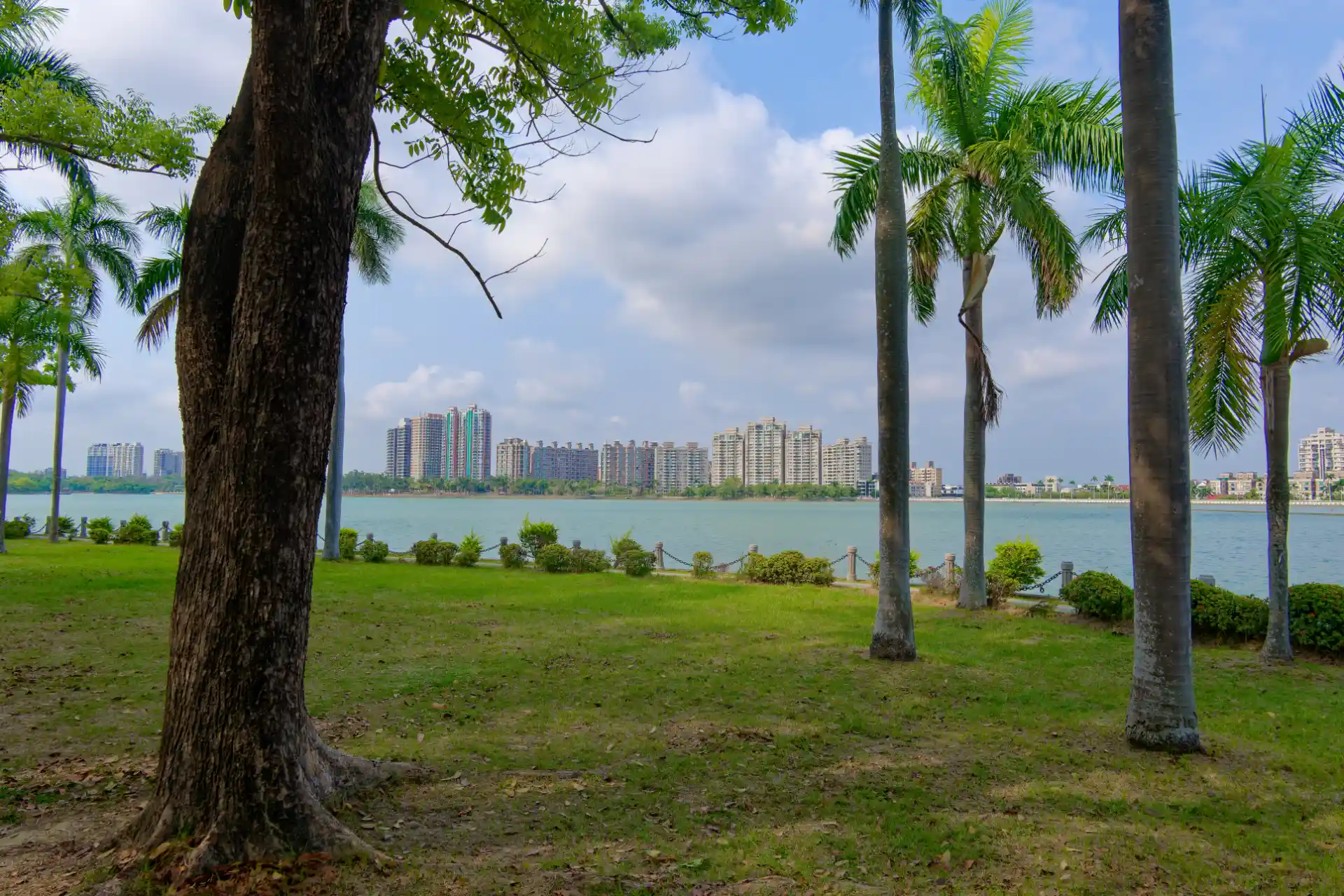
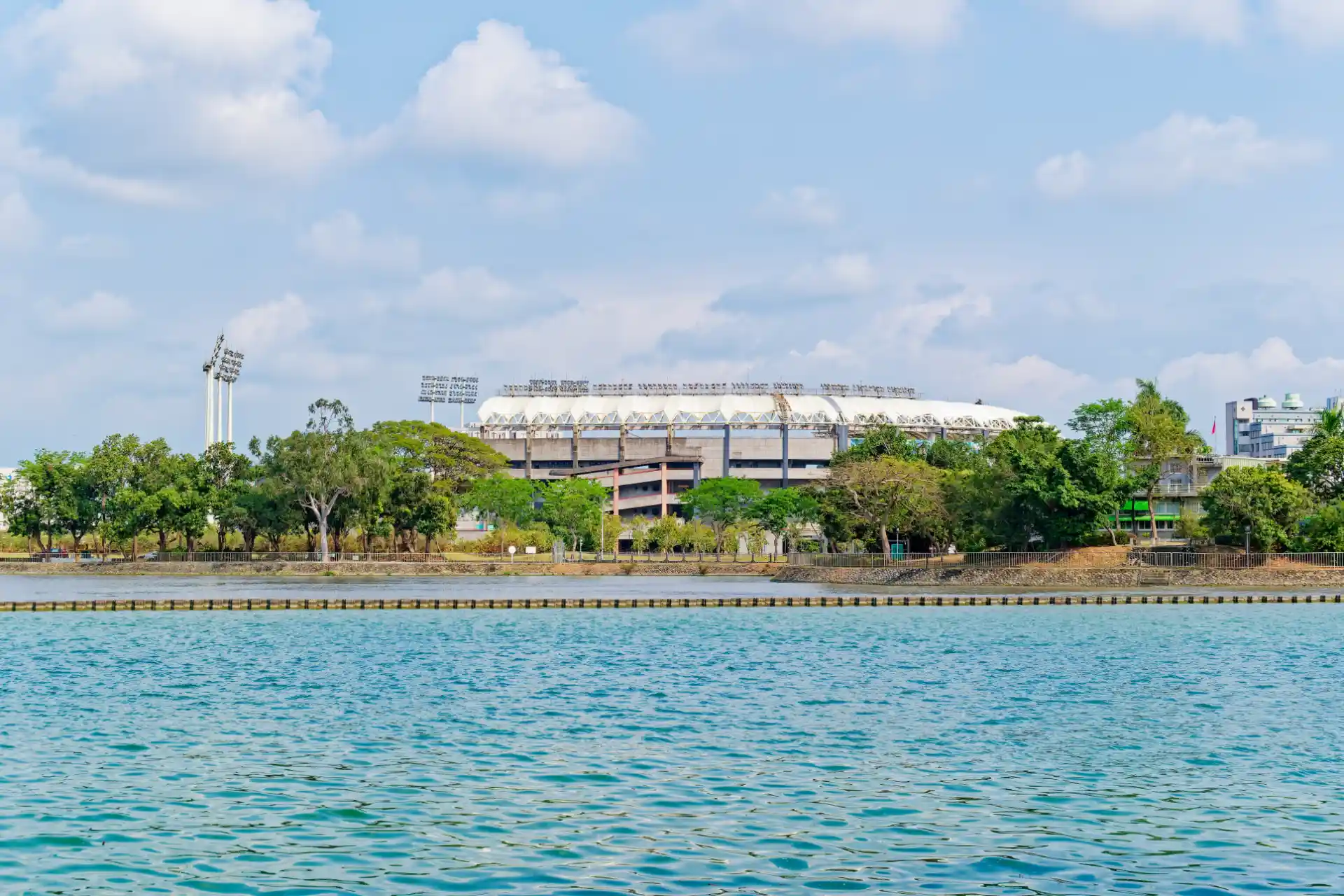
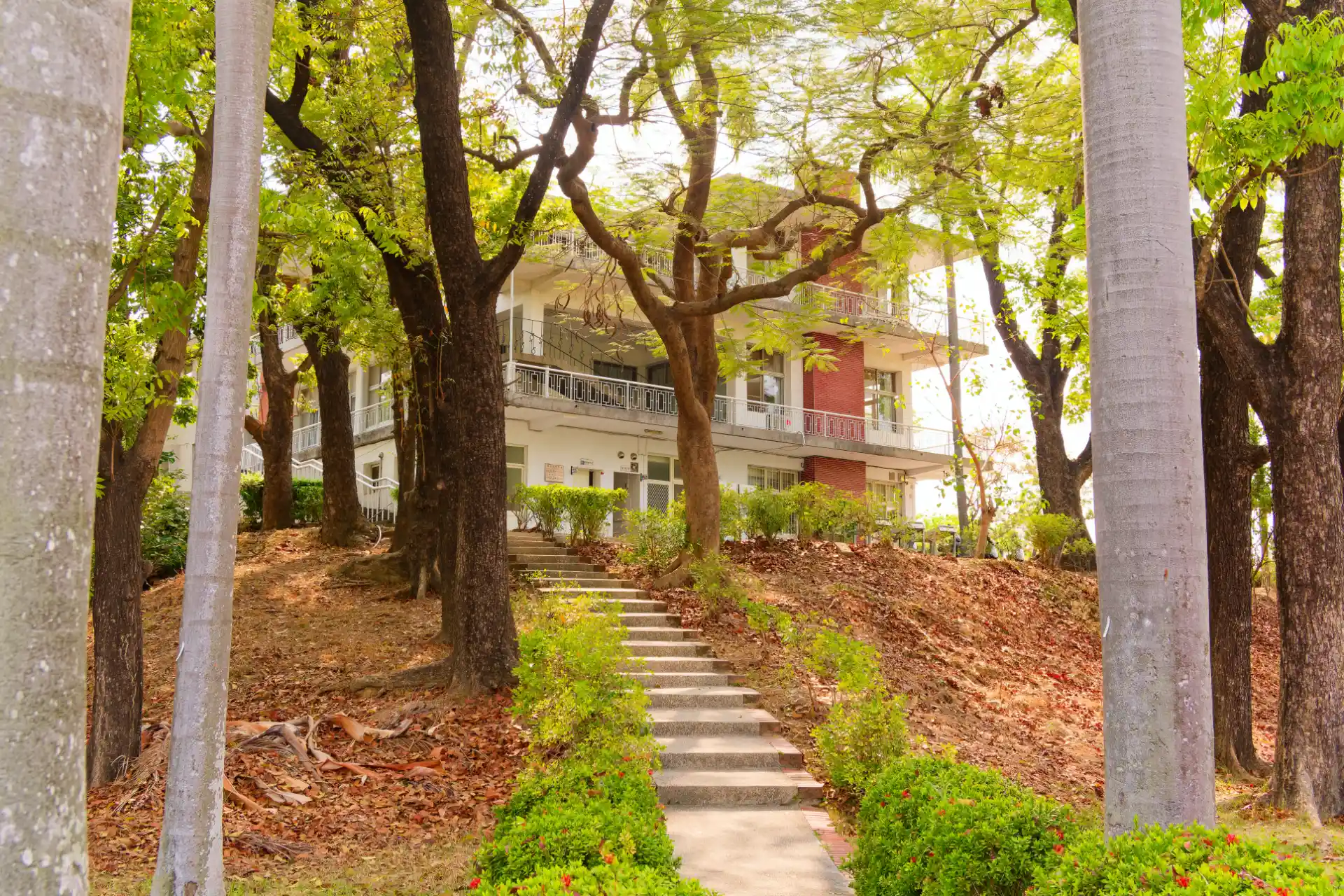
This was the first room I entered. There was no furniture except for inbuilt display cabinets. A TV was showing quiet videos of the dictator, subtitled in Chinese. While I was looking around, a woman entered the house and I overhead the elderly man telling her (in Chinese) “There’s a foreigner here, he’s from New Zealand! He’s lived in Kaohsiung for three years! He really likes Kaohsiung!” (All true.)Here’s a close-up of the painting at the end of the room. It’s an aerial view of the winter residence, barely visible amongst the trees on the small peninsula.This was the view out the windows to the left.The cabinets were full of Chinese-language documents that I couldn’t read.On the wall, one of the photos showed the dictator (center front) with foreign guests, standing at the entrance to the house—the same spot visible in my photo above. (The name of the building has changed over the years—here it’s captioned as the Chengcing Guesthouse. It was originally called Big Shell Lake Villa.)Next, the elderly man told me to head upstairs.I arrived in this space, formerly Madame Chiang’s “bedroom and personal reception room”. Today it was being used for an educational art exhibition.This is the view looking back towards the stairs.A corridor led past some guest bedrooms, to the dictator’s bedroom at the far end.This is the doorhandle of the dictator’s bedroom door. The cabinet on the left is a vintage RCA television.This is the view from the doorway, looking into the bedroom suite.Here’s a better view of the TV. One of the dials was set to “2“, and the other to “44”.While I could’ve touched the TV, the sitting area was roped off……As was the dictator’s desk. It was absolutely surreal to imagine him sitting there.The first of two telephones, to the dictator’s left, had a rotary dial.The second telephone, to the dictator’s right, seemed to be some kind of hotline. There was also a white call button(?) on the desk, and another on one of the bedside cabinets.The dictator’s desk was facing his bed. It was the size of a modest double—which I guess was all he needed, given that Madame Chiang’s bedroom was at the far end of the corridor.The bed faced these two closets. The door on the far left led to a bathroom……Which was closed to the public, but visible in these photos taped to the wall. Although absolutely huge by Taiwan standards (then and now), it’s not especially fancy.Here’s a final view of the bedroom suite, from the bed looking back towards the sitting area.On my way back down the corridor, I saw these photos of the guest bedrooms and bathroom.I thanked the man downstairs, walked back outside, and followed this path around the side.I climbed up and down some external stairs and looked through some of the windows, but there was nothing notable to see. Here, the glass door on the left opens to a tiny lobby.The scale of the house was more obvious from around the back. Something that amused me greatly was seeing that the basement floor now contains……A public toilet. (Yes, the good people of Taiwan can now shit in their former dictator’s house.) Incidentally, I thought the vending machine—which has a faded photo of a beautiful woman on it—dispensed condoms, which made me wonder what else the good people of Taiwan do in their former dictator’s house. But no: Google Translate revealed it actually dispenses packs of toilet tissue for NT$20 (NZ$1) each.I turned around and followed this path down to the lake.New apartment buildings were visible across the water to the left.And to the right, the Chengcing Lake Baseball Stadium.Looking back at the dictator’s residence, I was struck by the serenity of the scene. The house and its gardens are lovingly cared for, and the lakeside setting is beautiful. But the man who lived there deserved none of it.