
A Japanese house of Canadian wood, built by hand in a Taiwanese town
Introducing ‘A Book Wooden House’ in Fangliao, Taiwan…
Twenty-five years ago, I was a university student in southern New Zealand, reading textbooks that I’d soon forget. At the same time, 9,000 km away in southern Taiwan, a 50-year-old man was also reading—but the book he chose would change his life.
In this book, Master Yang read about traditional Japanese construction techniques, using interlocking wooden joints to hold everything together. Then, inspired by just that one book, Master Yang quit his job and single-handedly embarked on a full-time, multi-decade journey to build a traditional Japanese house of his own.
Traditional Japanese houses of this size would typically be built by 21 workers over two years. By contrast, Master Yang built the house alone over two decades.
It would become A Book Wooden House (一册大木家屋) in Fangliao Township, Taiwan.
Earlier this year, I met Master Yang and his family. I learned their history, explored their house, and took a lot of photos.
The house has recently opened for organized tours, which makes this a good time to share their story…
A low-key wooden scent
By train, Fangliao Township (population 23,000) is an hour south of Kaoshiung. Agriculture and fishing dominate its economy, but more recently—in the face of decades-long population decline—there’s been an increased interest in tourism as well.
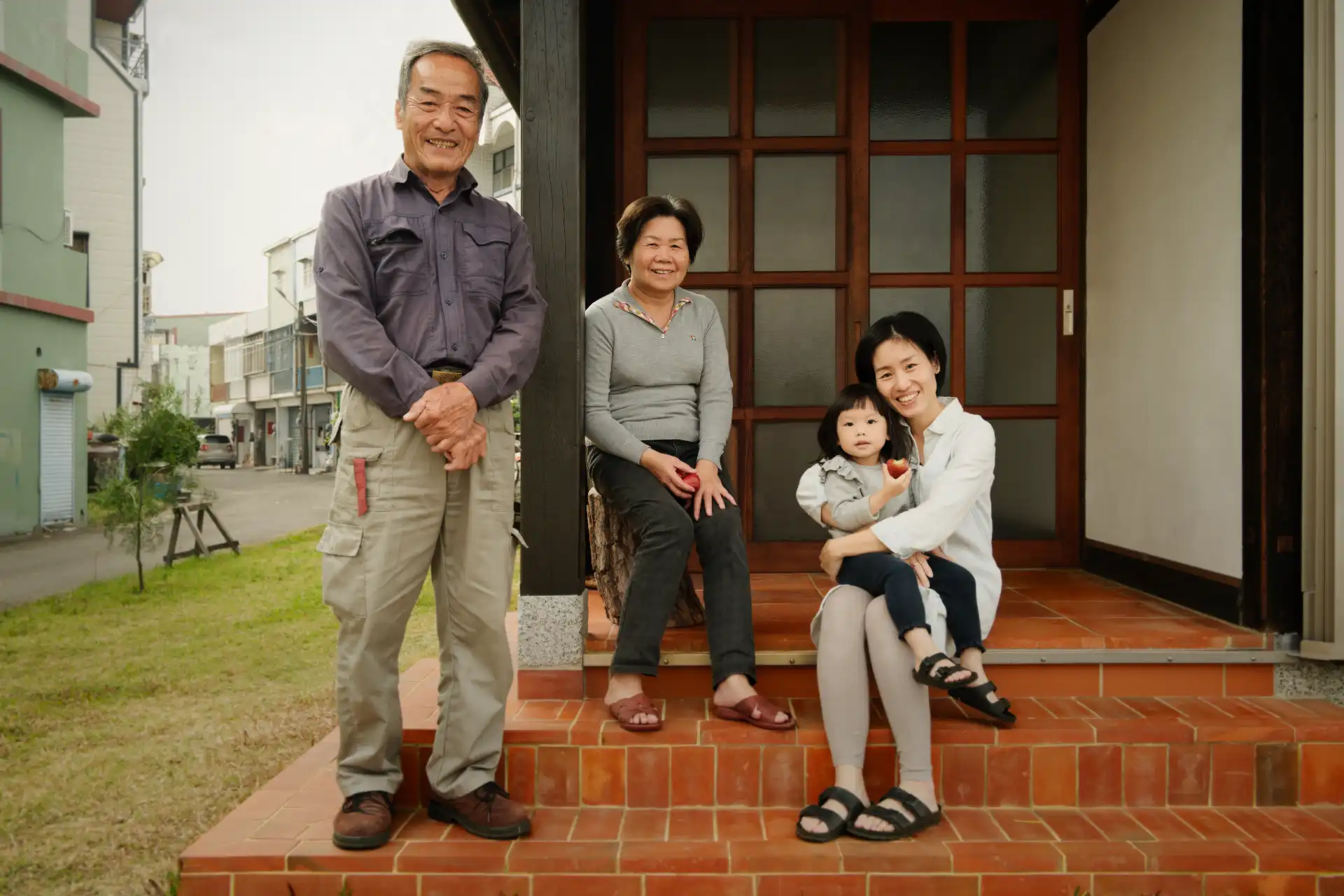
Sue, the eldest daughter of Master Yang, hopes A Book Wooden House will put Fangliao on the map.
I think it should.
I met Sue at Fangliao Station, along with the mutual friend who invited me.
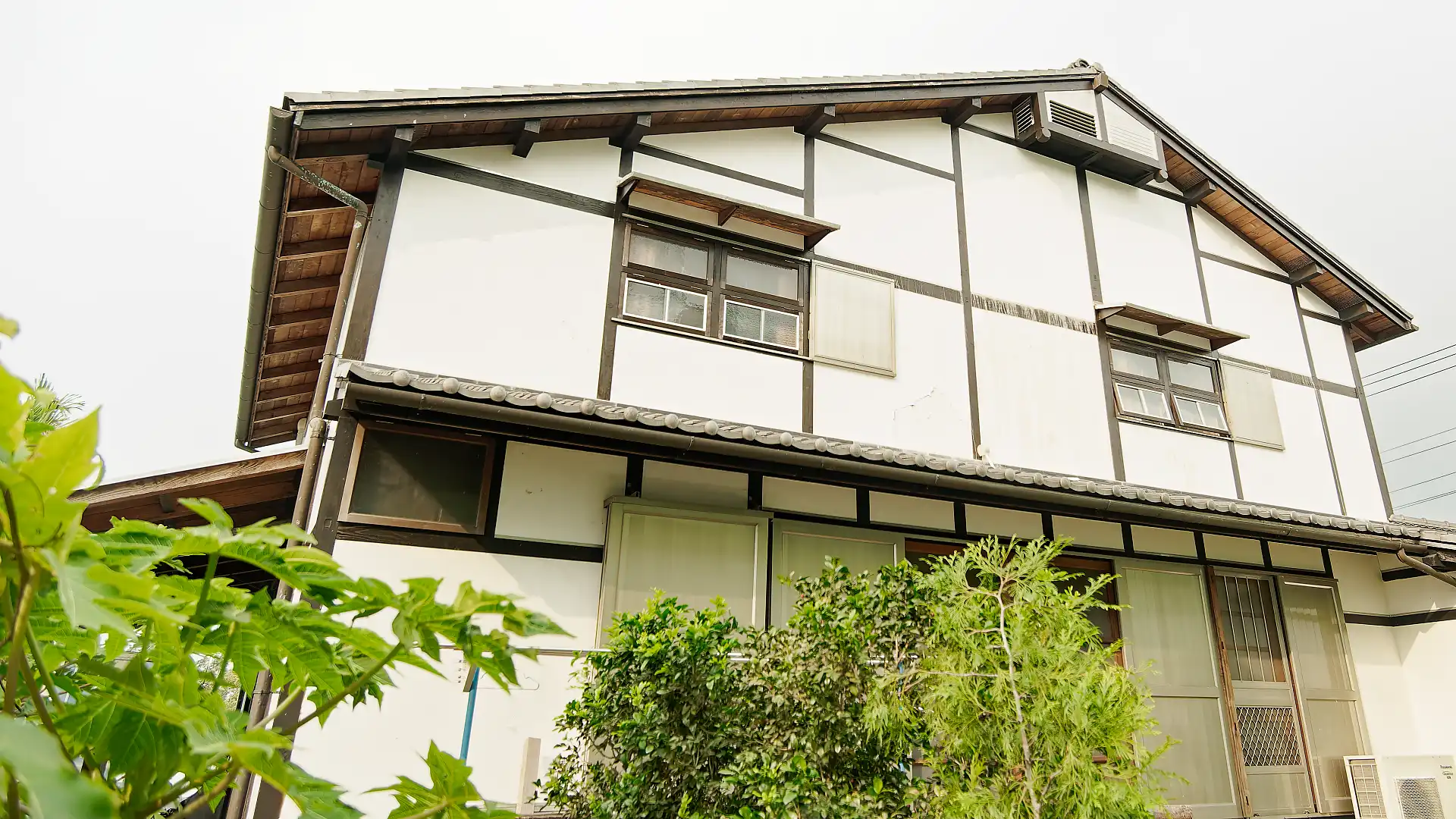
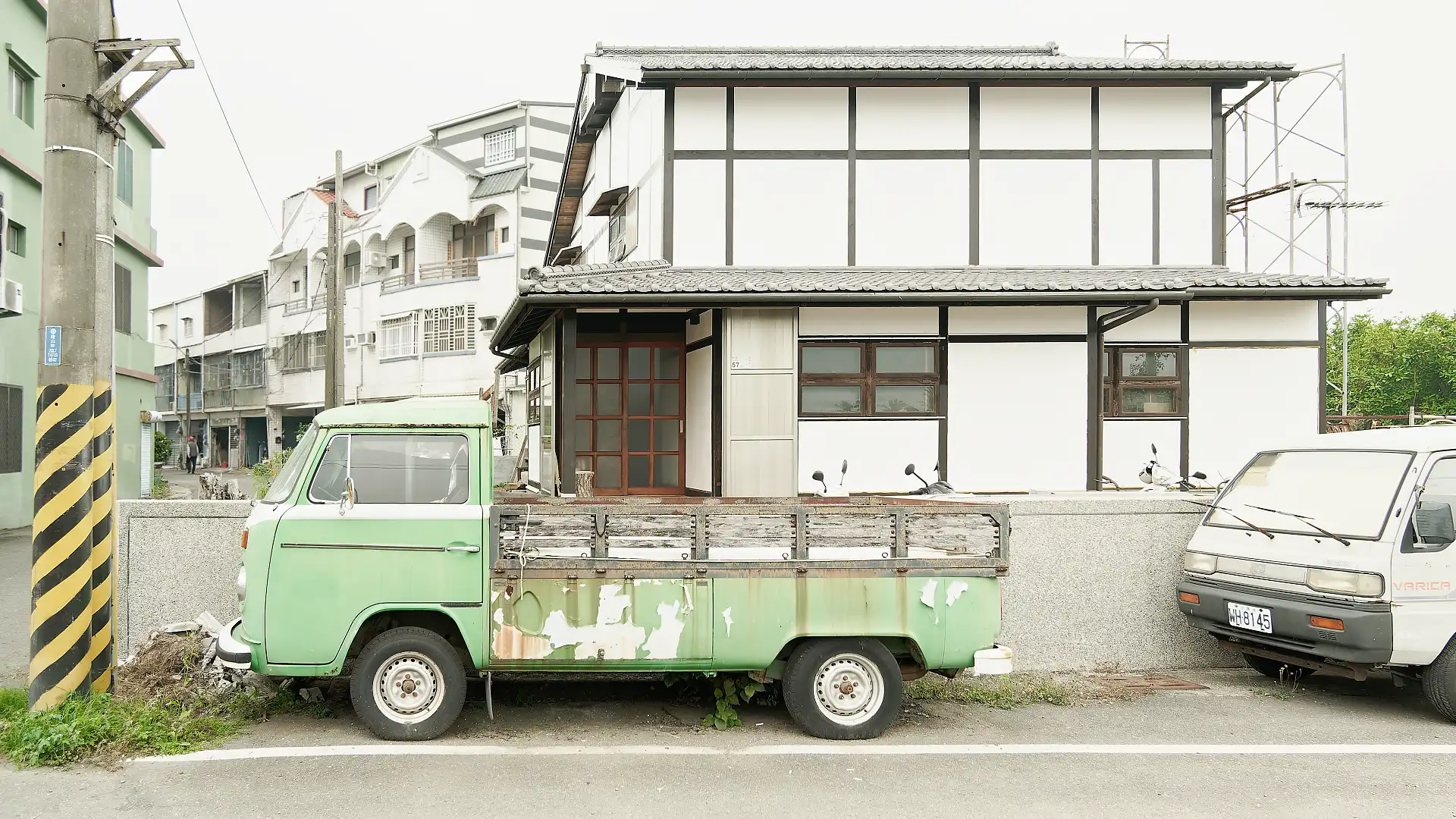
Sue drove us a few minutes to her parents’ house. From the outside, indeed it looked Japanese.
As we removed our shoes and crossed the threshold, we were hit with a low-key wooden scent.
The main living area was a double-height room with complex roof angles that hadn’t been obvious from the outside.
Across the room, a huge dining table—crafted from a single tree trunk and gifted by fans of Master Yang’s work—stretched between the staircase and the kitchen.
Sue introduced us to her husband, her three-year-old daughter, and her inspiring parents Master and Mrs Yang.
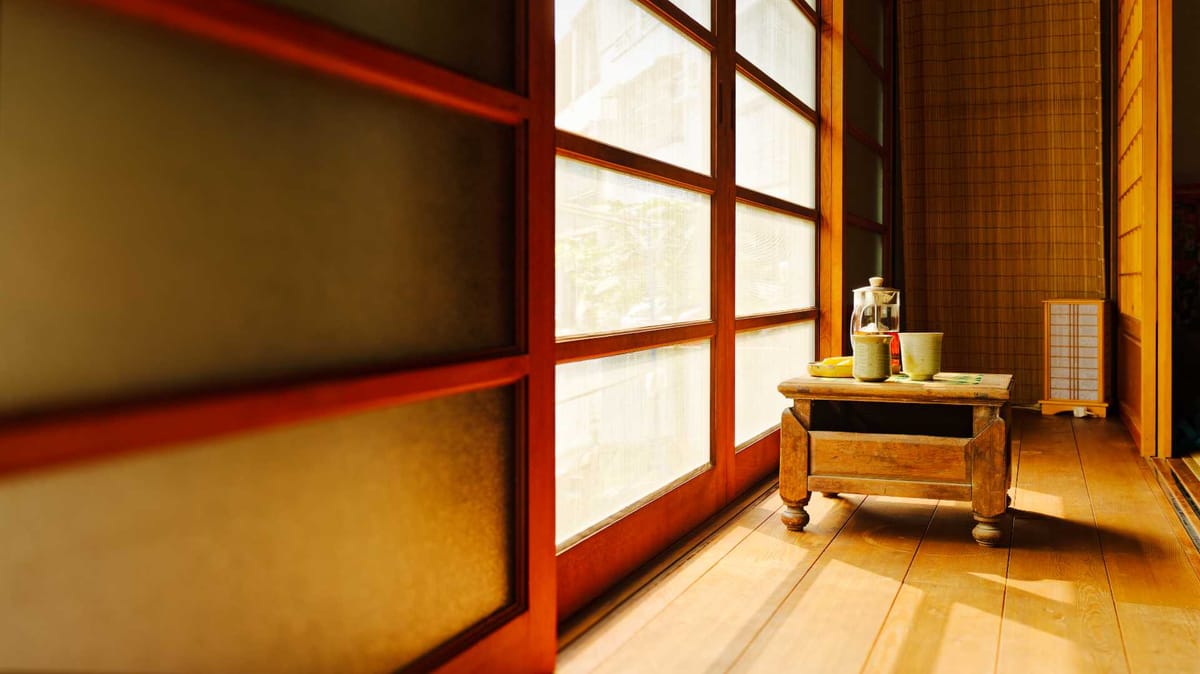
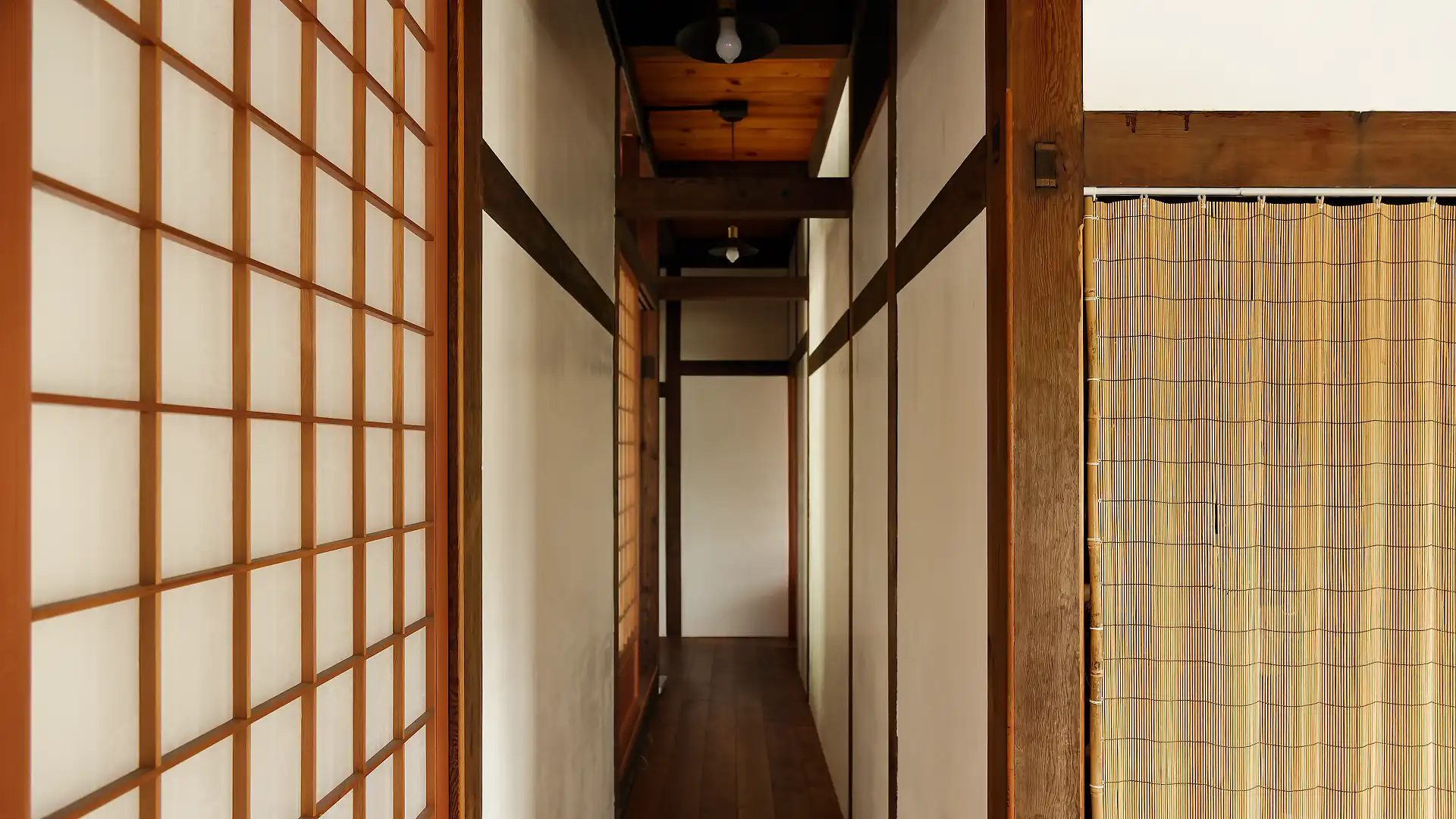
Shoji screens and tatami
Master Yang sat with us in the tatami room, separated from the living room by sliding shoji screens. This was my first time sitting on tatami.
We sat cross-legged around a low table, drank tea, and talked about the house.
Master Yang—now in his mid-70s—said that as a young man, he spoke English when working in Saudi Arabia. He said his English was rusty now because he hadn’t used it in decades. But it was better than my Chinese, which I use every day.
We talked in both languages.
Mrs Yang was running a restaurant when that one book inspired Master Yang to build the house. Mrs Yang continued to run the restaurant once Master Yang started full-time construction, providing financial and moral support for the project.
To save money, for more than half a decade they lived in a tent inside the unfinished house—without air conditioning, running water, or an indoor kitchen.
No steel, cement, nails, or paint
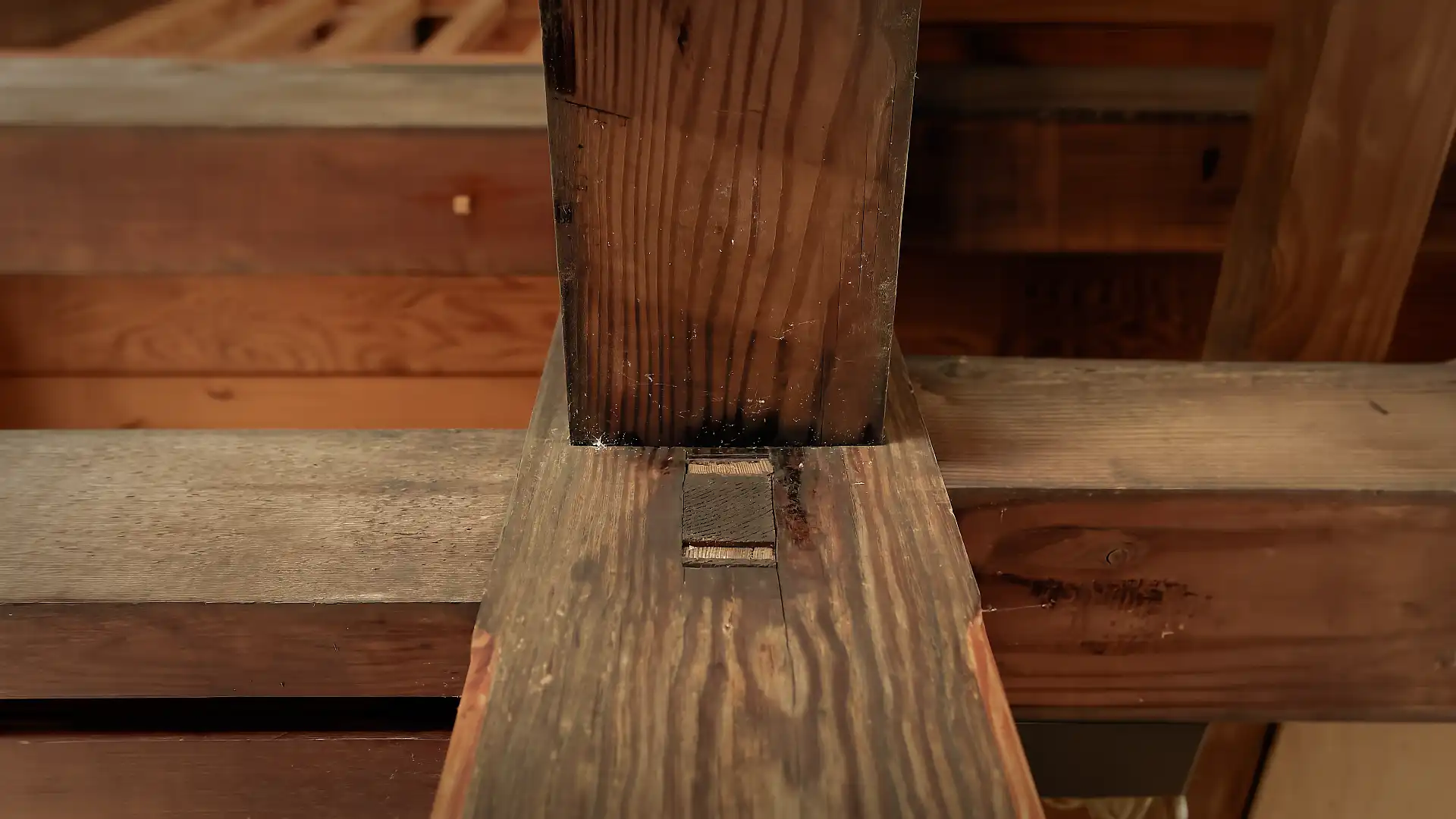
Master Yang built most of the house on his own, despite not having an architectural or engineering background. Per that book about traditional Japanese building techniques, he constructed the house entirely without steel, cement, nails, or paint.
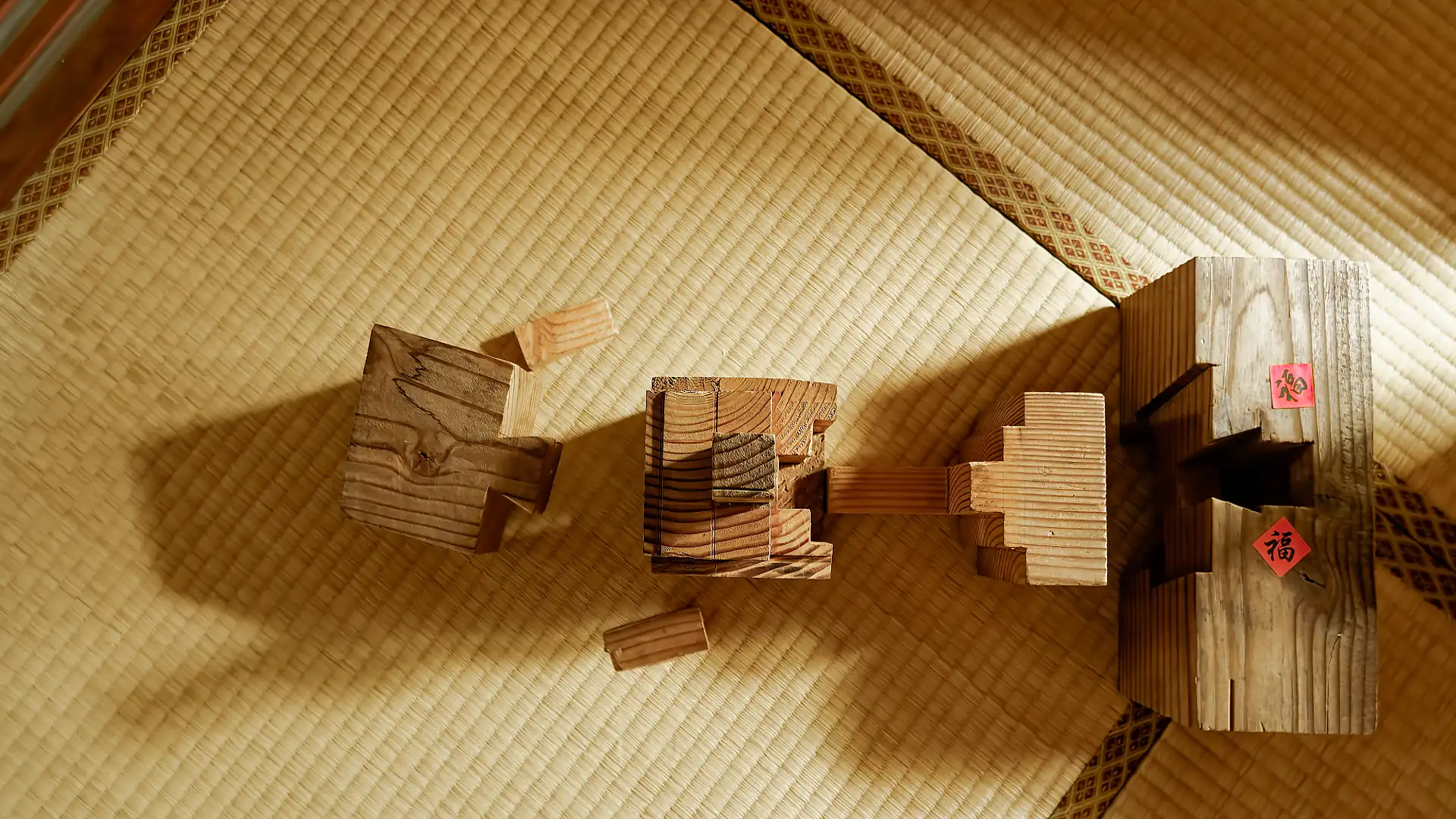
His joinery is necessarily precise to within 1 mm.
Walls are plastered with lime.
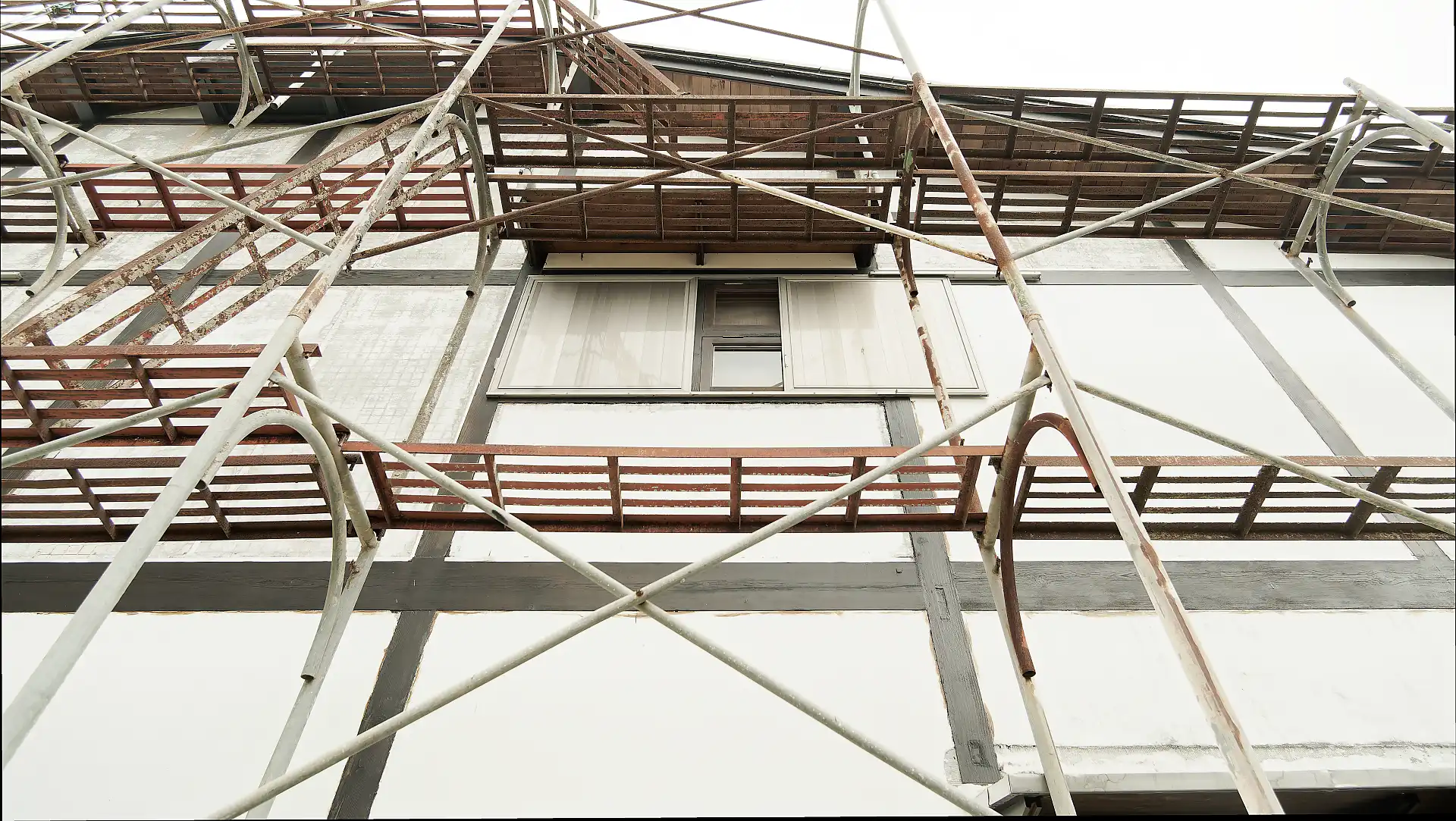
The first 10 years of the project were mostly spent sourcing and preparing materials, including Canadian timber for the structural framing. The house was erected and made weathertight over the next decade, reaching 95% completion in 2020.
Along the way, it picked up international attention. Architecture schools started bringing students from across Taiwan. Film crews have documented progress.
The Taiwanese public television show Guess Who’s Coming for Dinner even brought a celebrity guest.
99% complete
During the Japanese era (1895–1945), traditional wooden house were sometimes built in Taiwan—especially as officers’ residences—but around 100 years ago there was a shift to more modern styles.
A century on, this house is singular.
Master Yang has revived a skillset. He has even attracted curious experts from Japan—a kind of reverse information transfer.
Now, 25 years after conception, Master Yang lives in a beautiful and unique home that’s 99% complete. Soon, he’ll be able to retire.
A full tour
The tatami room is perhaps the most obviously Japanese space, but there are more traditional features throughout the house.
From the second floor, we climbed a custom-made ladder to the attic. I was the heaviest person to climb it so far, so the family was delighted to see it didn’t bend under my weight. (Master Yang already knew it wouldn’t.)
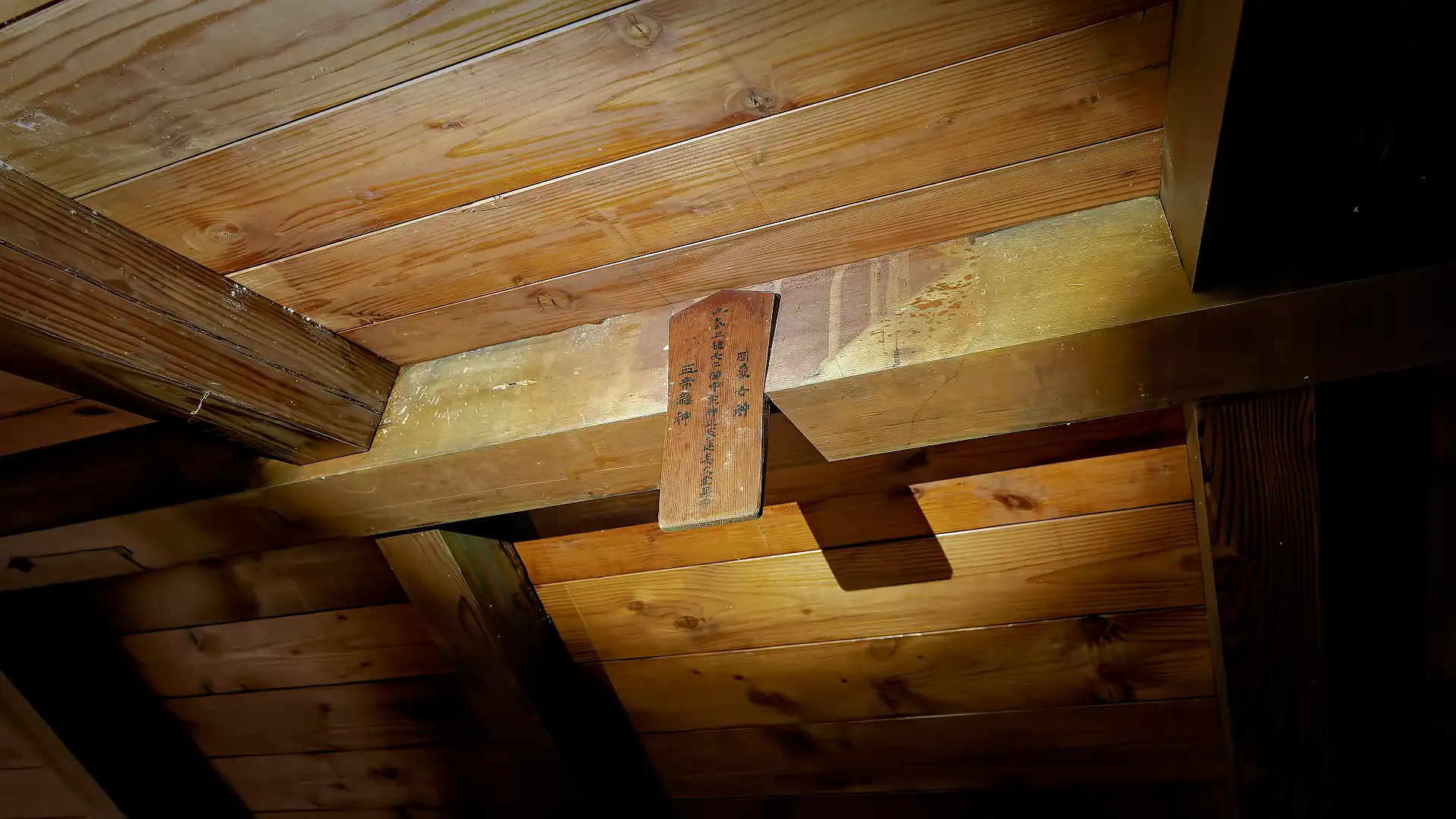
In the attic, amongst the complex structural framework, there was a wooden plaque attached to a central beam. It was inscribed with a message that serves as a ritual offering to the gods for protection—and also a time capsule, preserving the history of the house.
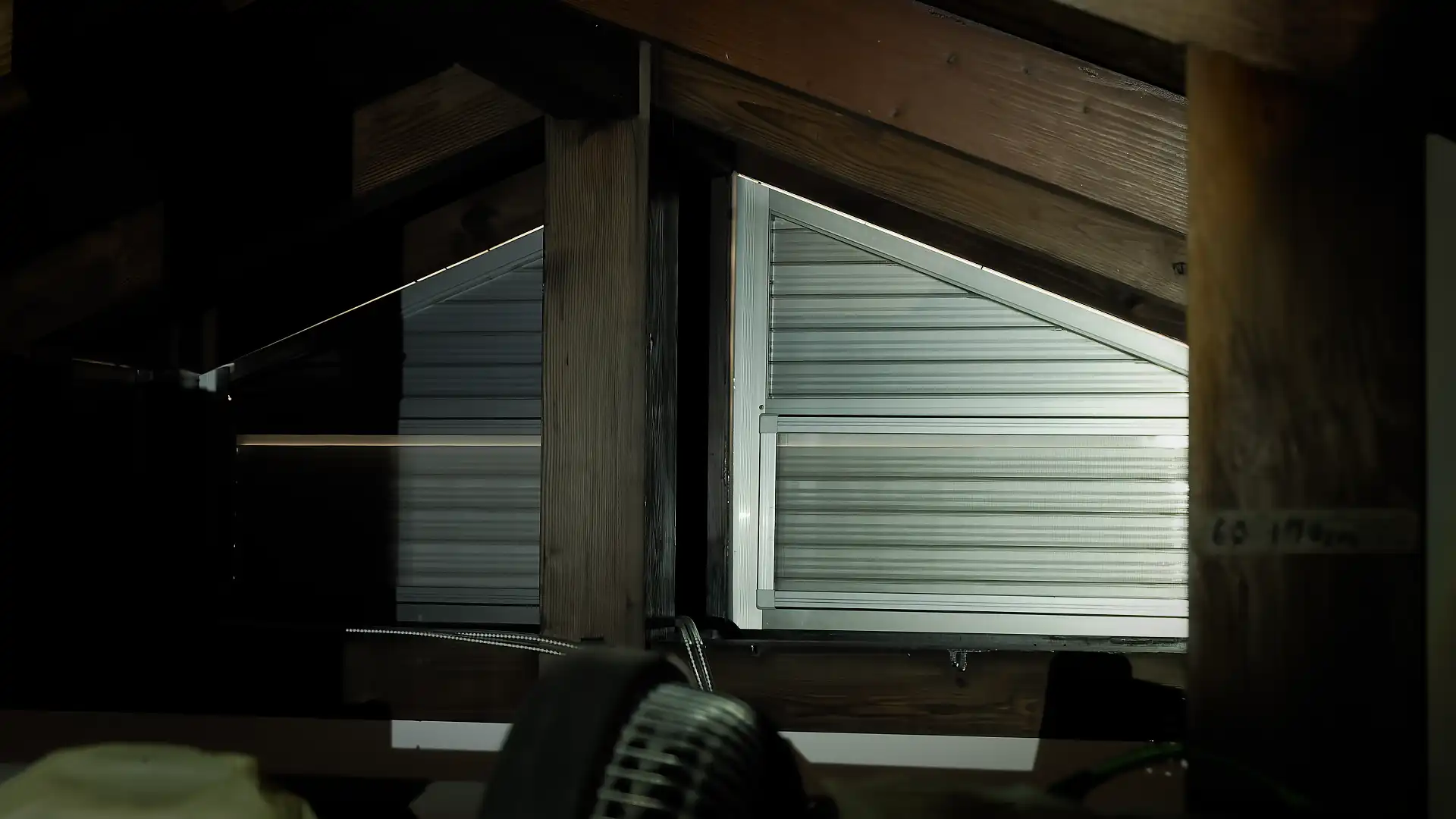
Sue showed how the attic’s mechanical shutters could be opened, allowing natural convection to lower the temperature downstairs.
Back down the ladder, the second floor had a mezzanine office overlooking the living room. The balcony had a secret opening to allow large items to be moved upstairs without navigating the bend in the staircase.
I was challenged to open the secret lock—with a mechanism made of pure wood, of course. It was positioned such that it could be felt but not seen.
We made sure Sue’s daughter didn’t watch us, in case she was tempted to try.
Upstairs, we also looked through the bathroom and two bedrooms. (A second bathroom and a third bedroom were downstairs.)
On returning to the first floor, I was presented with another puzzle: six interlocking pieces of wood. This was a hands-on demonstration of Master Yang’s joinery skills, showing the kind of joints used throughout the house. Accurate to within 1 mm.
I like to think I’m good at spatial reasoning—but I couldn’t connect them all.
Exceptionally good food and indigenous Taiwanese liquor
We were joined by a friend of the family whose hobby is card weaving—a traditional technique for making woven keychains and bracelets. She demonstrated her craft which, to my unsophisticated eye, seemed like magic—then insisted on giving us mementoes to take home.
My new keychain has the symbol 冊 on one side. It means ‘book’, per the house’s name. The reverse side has the character 吉, which means ‘lucky’.
In the dining room, Mrs Yang had prepared lunch. It was a feast, running the length of the very long dining table.
We ate exceptionally good food paired with indigenous Taiwanese liquor.
Later, Sue took us for a tour of Fangliao. She pointed out a local temple that, via loudspeakers, broadcasts public announcements to the town for NT$100 (NZ$5) each. Things like daily specials at the market or community updates. A Fangliao tradition that, like A Book Wooden House, is from another time.
But A Book Wooden House is not a historic curiosity. It’s a beautiful, intricate, warm, inspiring building. After a day in Fangliao, I can’t imagine the town without it.
I took 236 photos at the house.
Here are 60 of them:


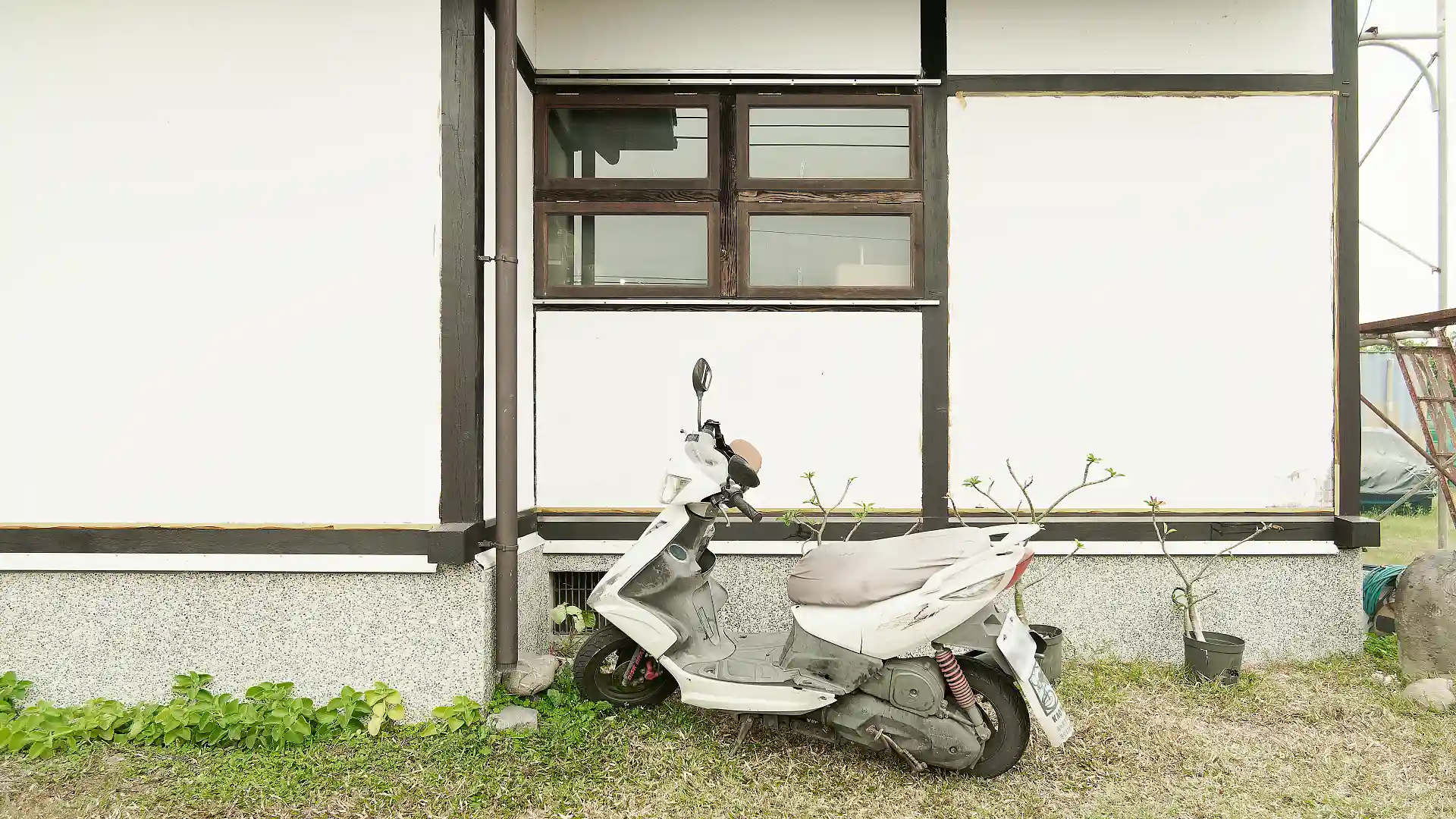
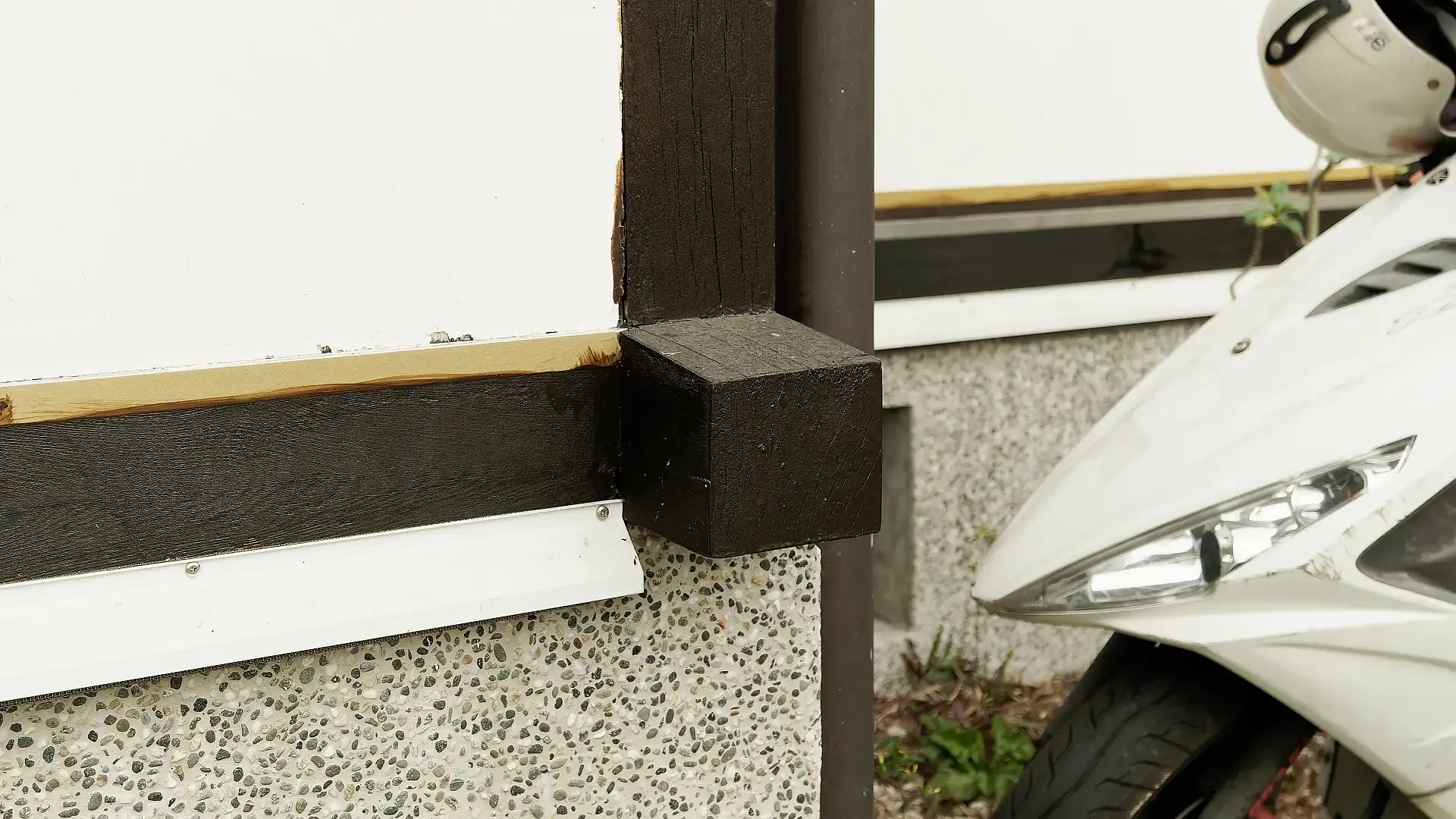
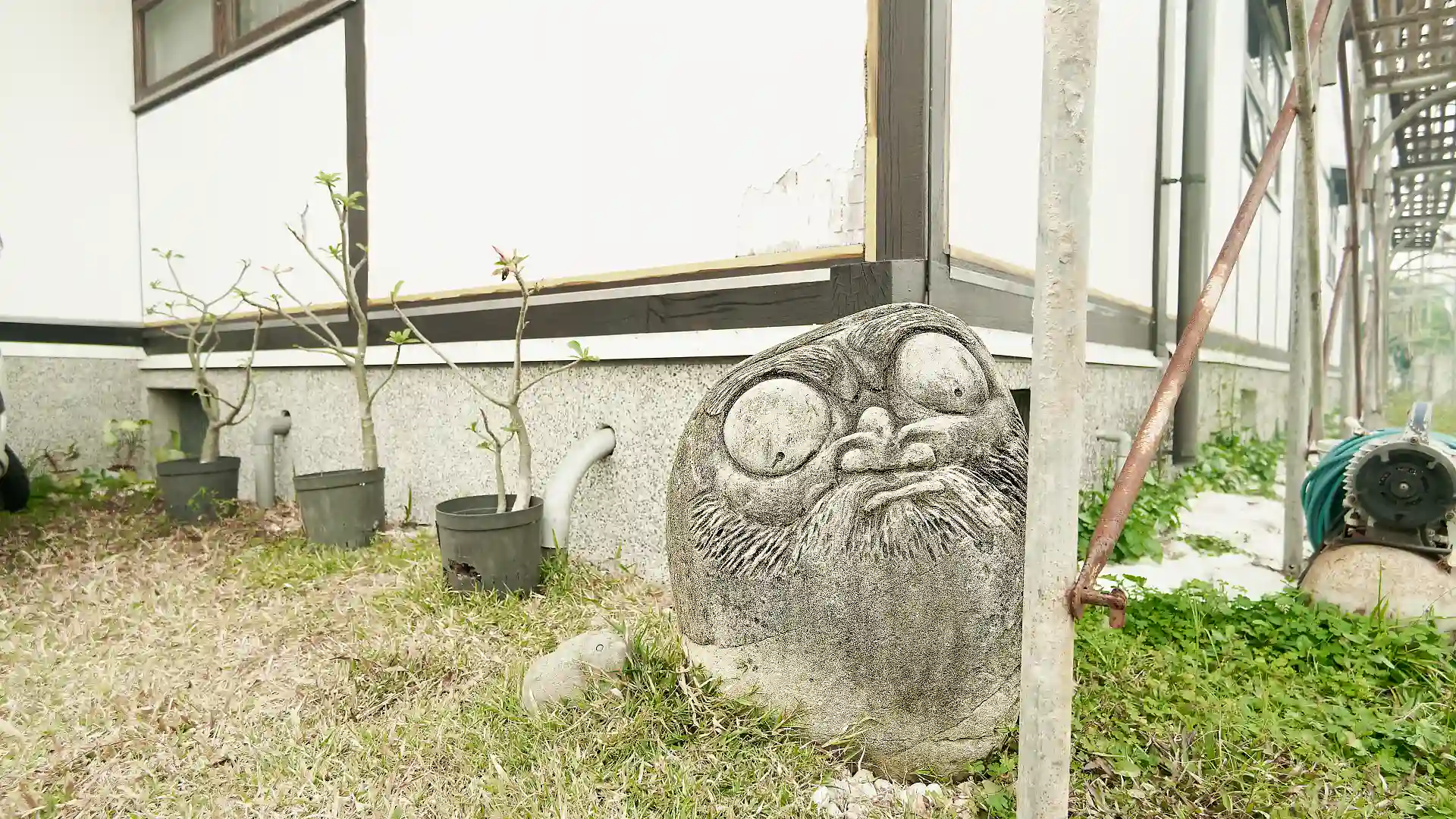
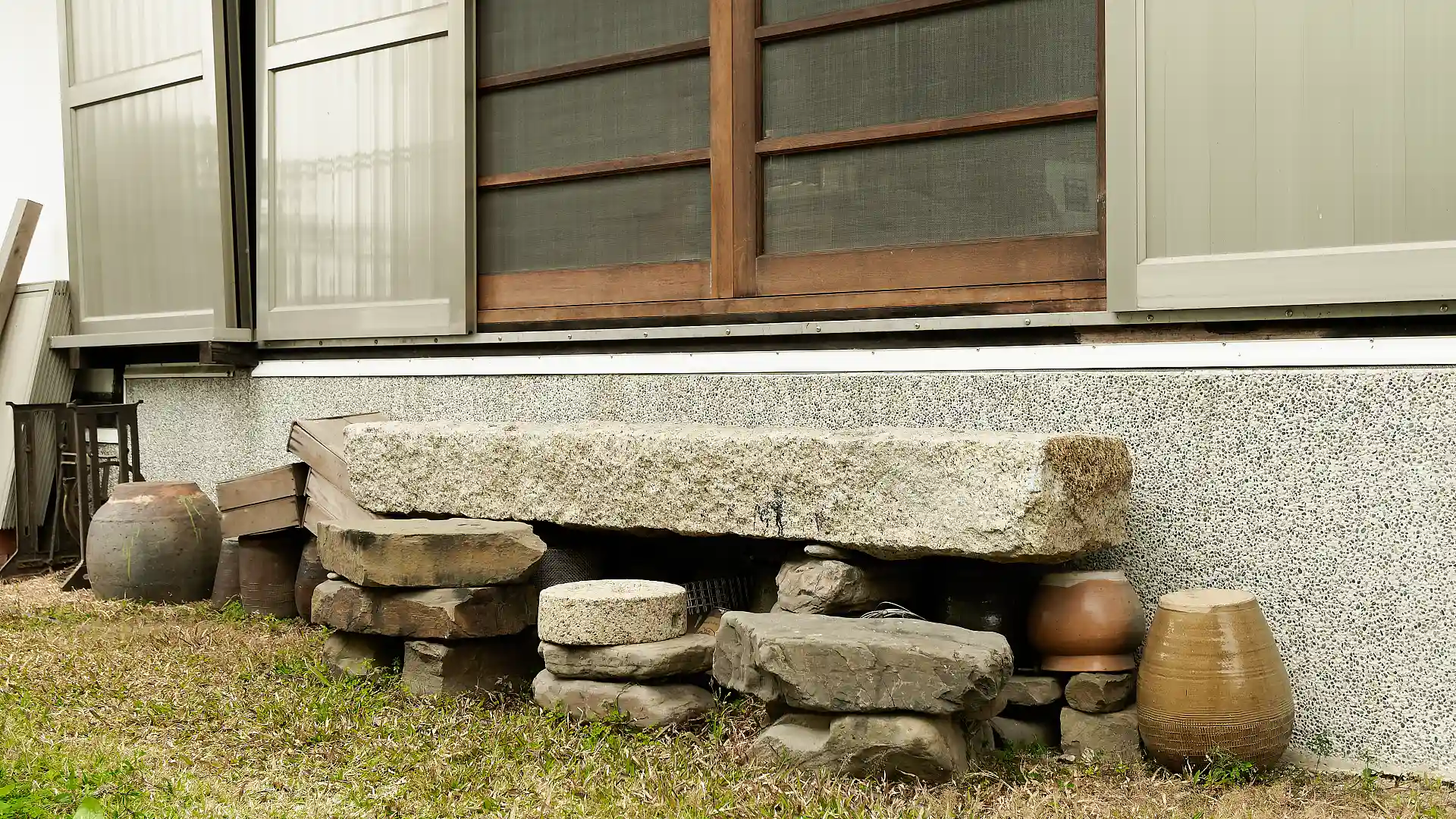

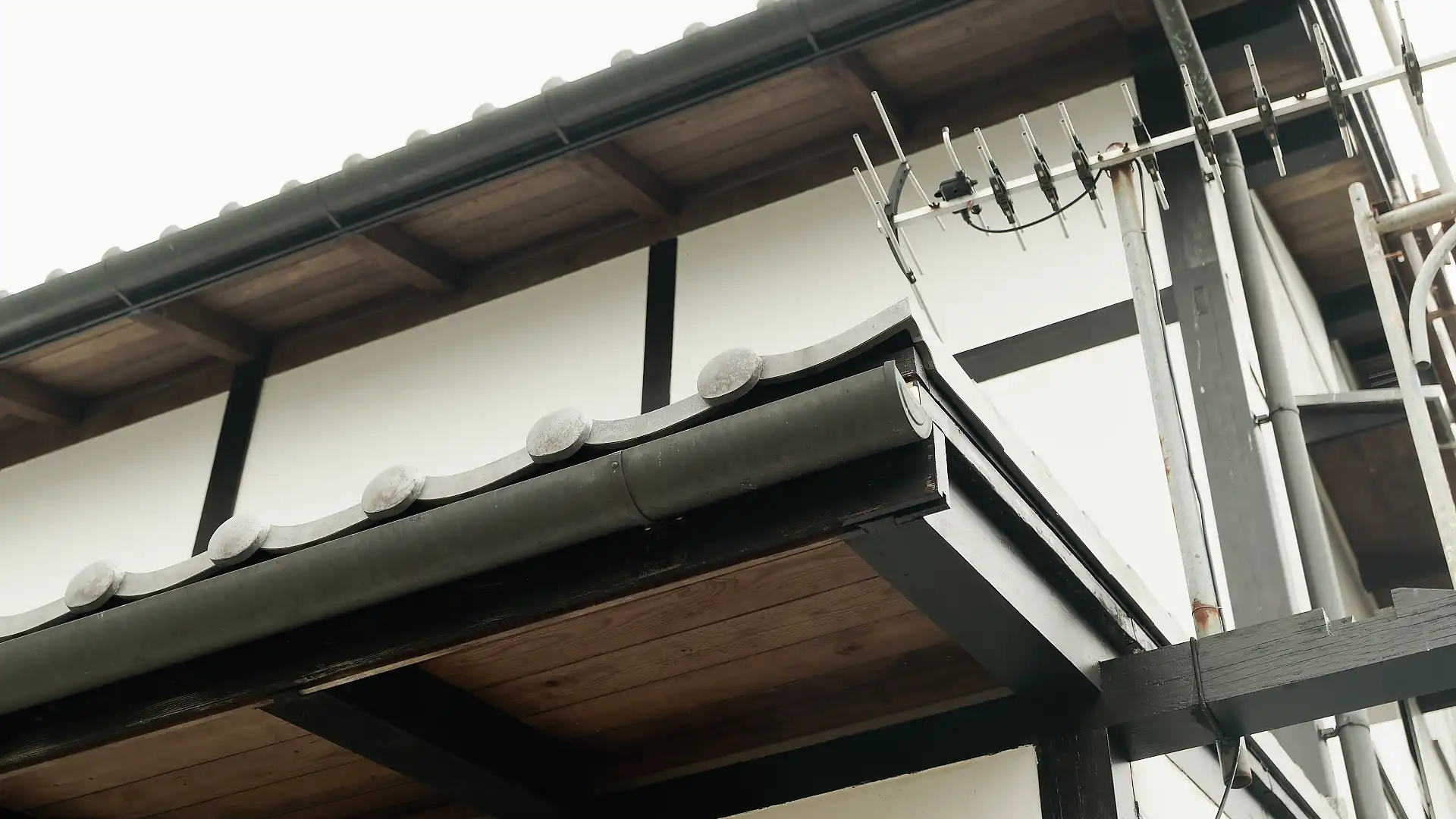
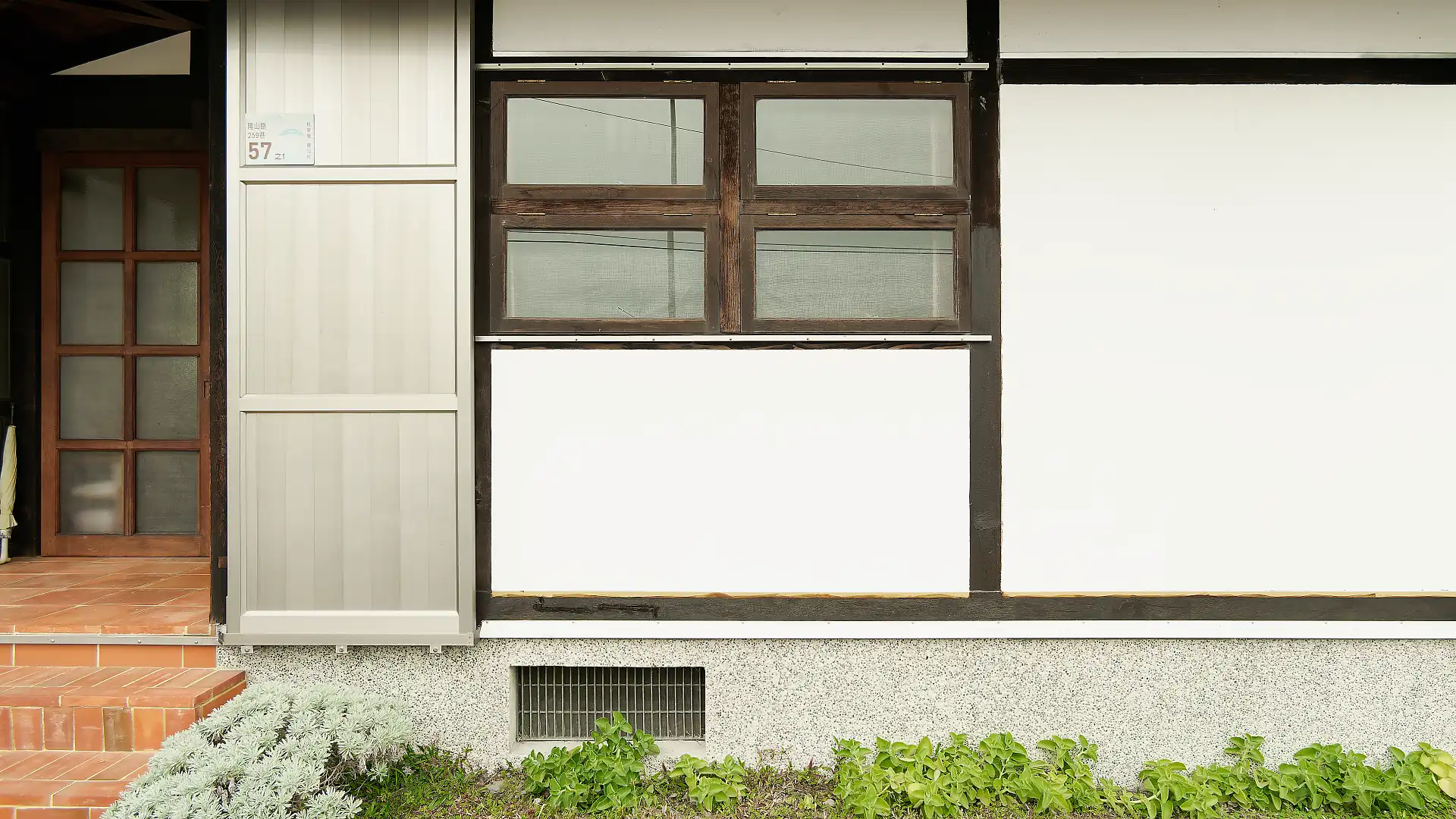
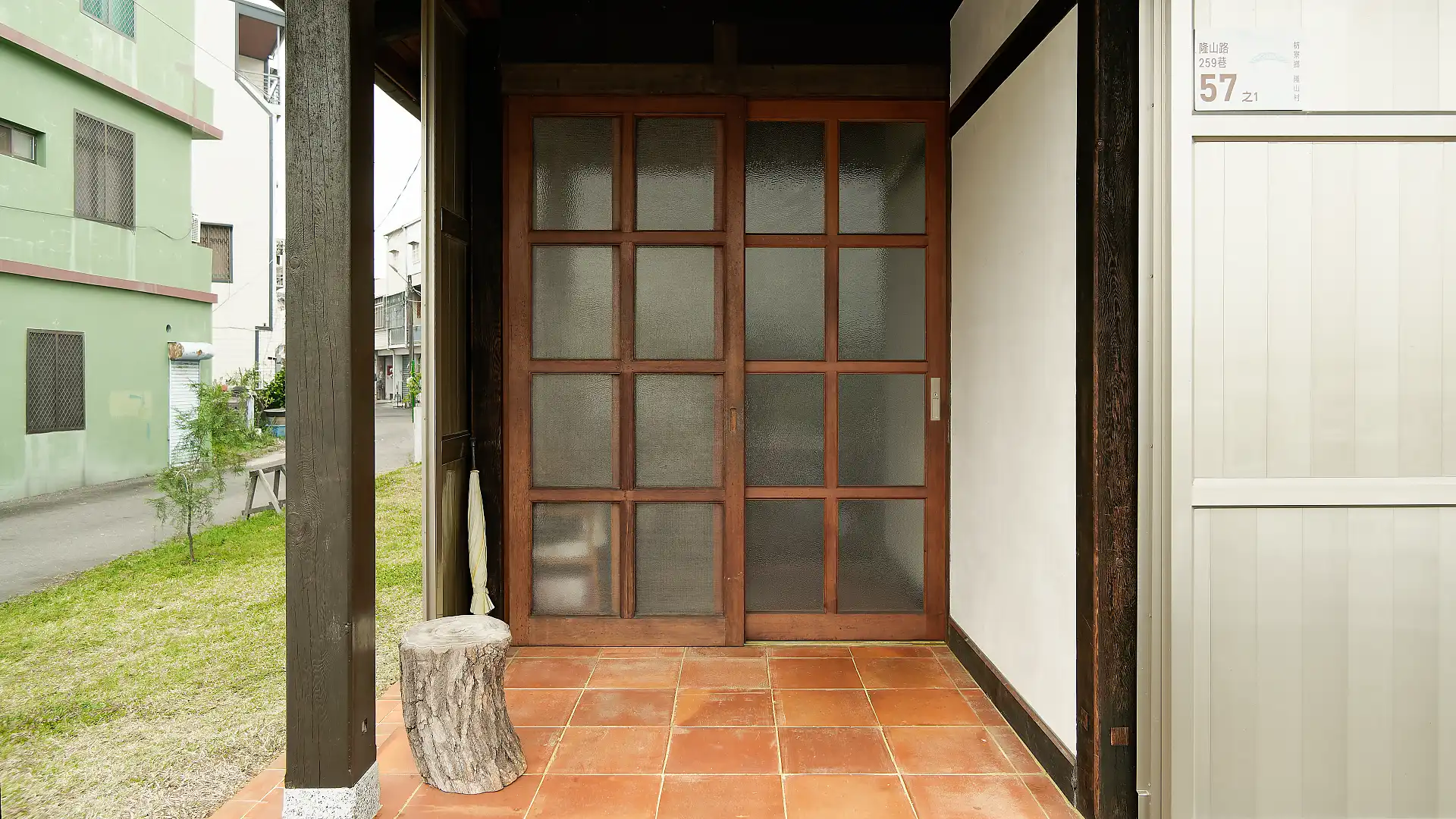
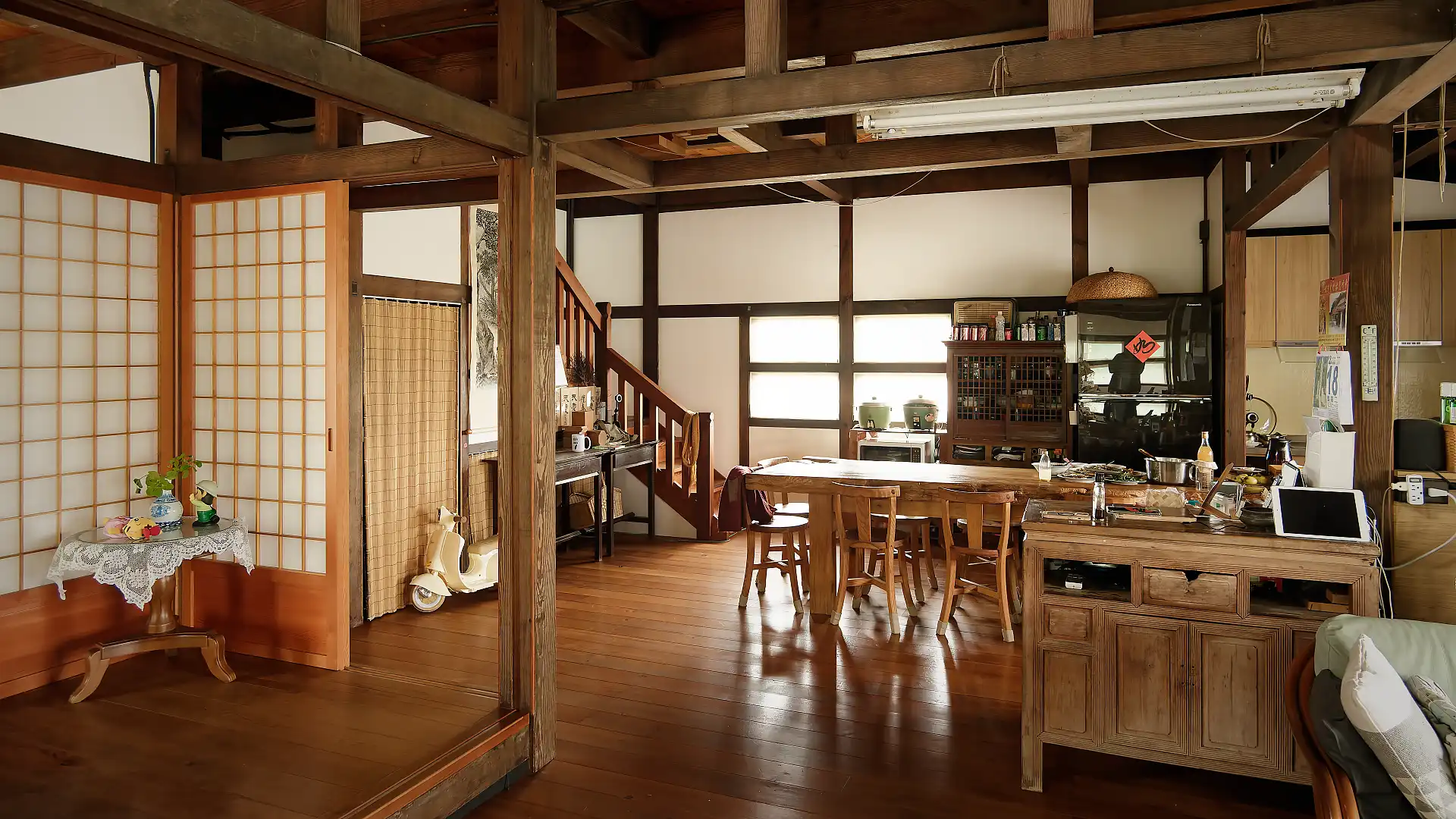
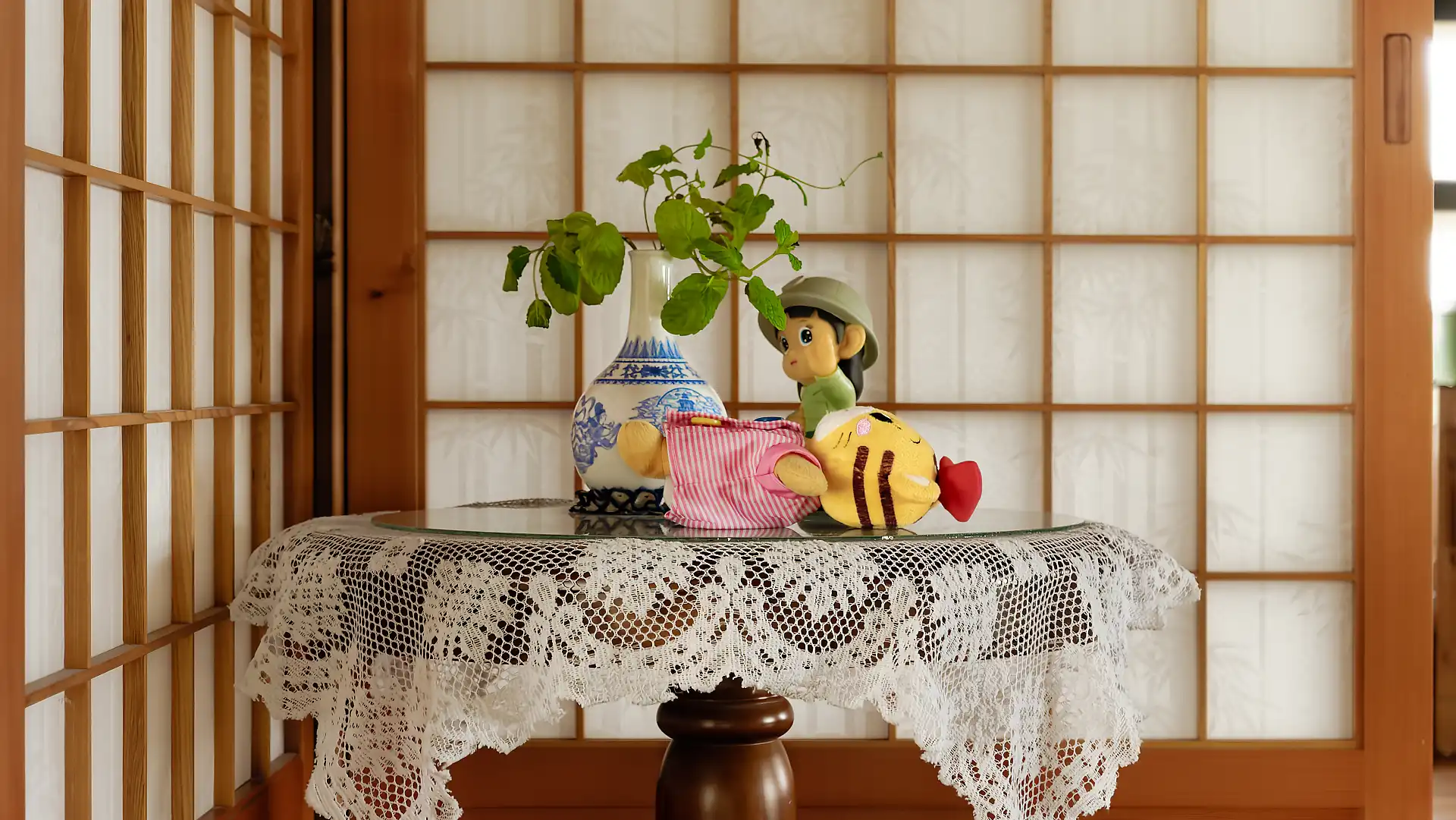
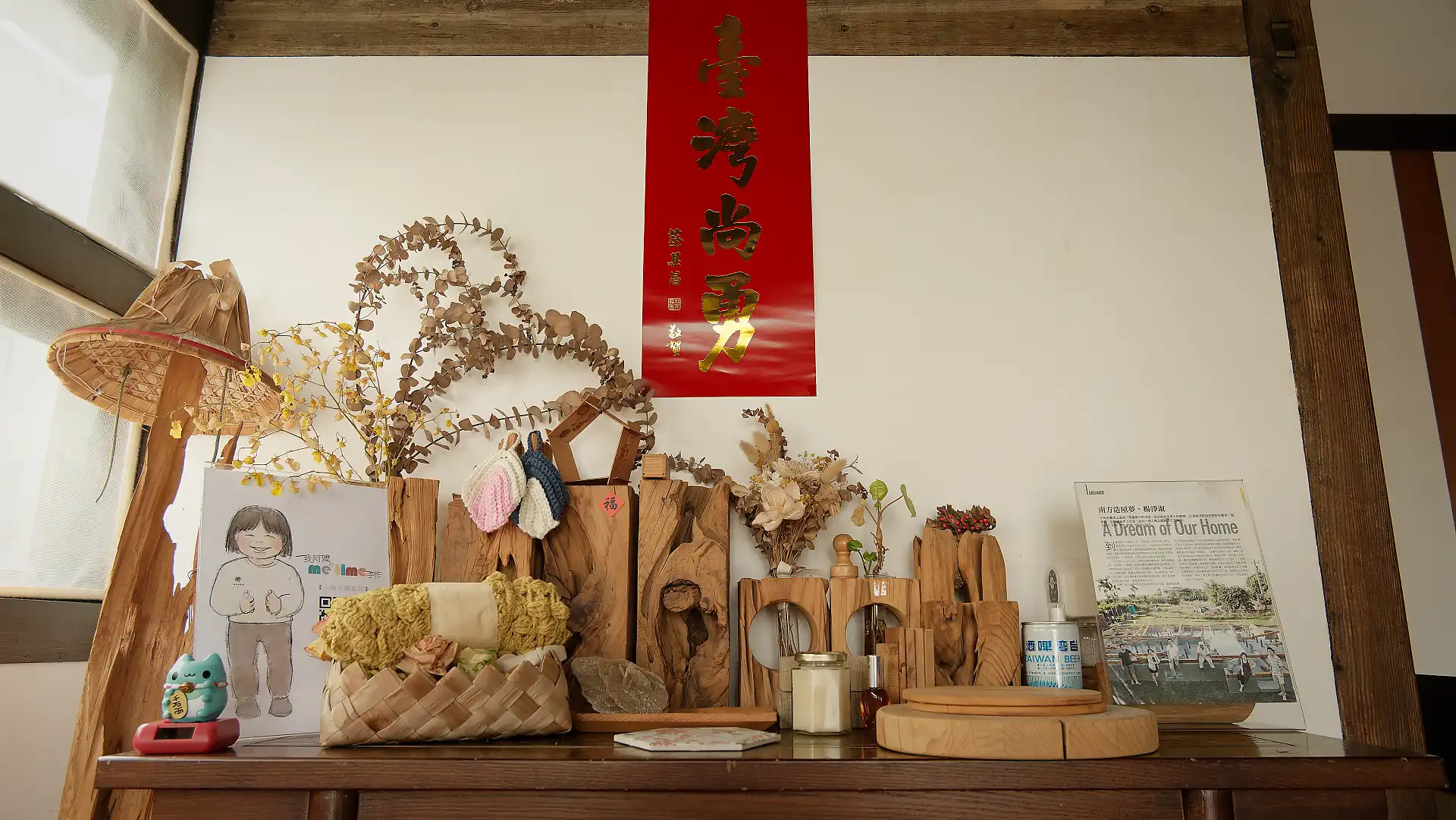
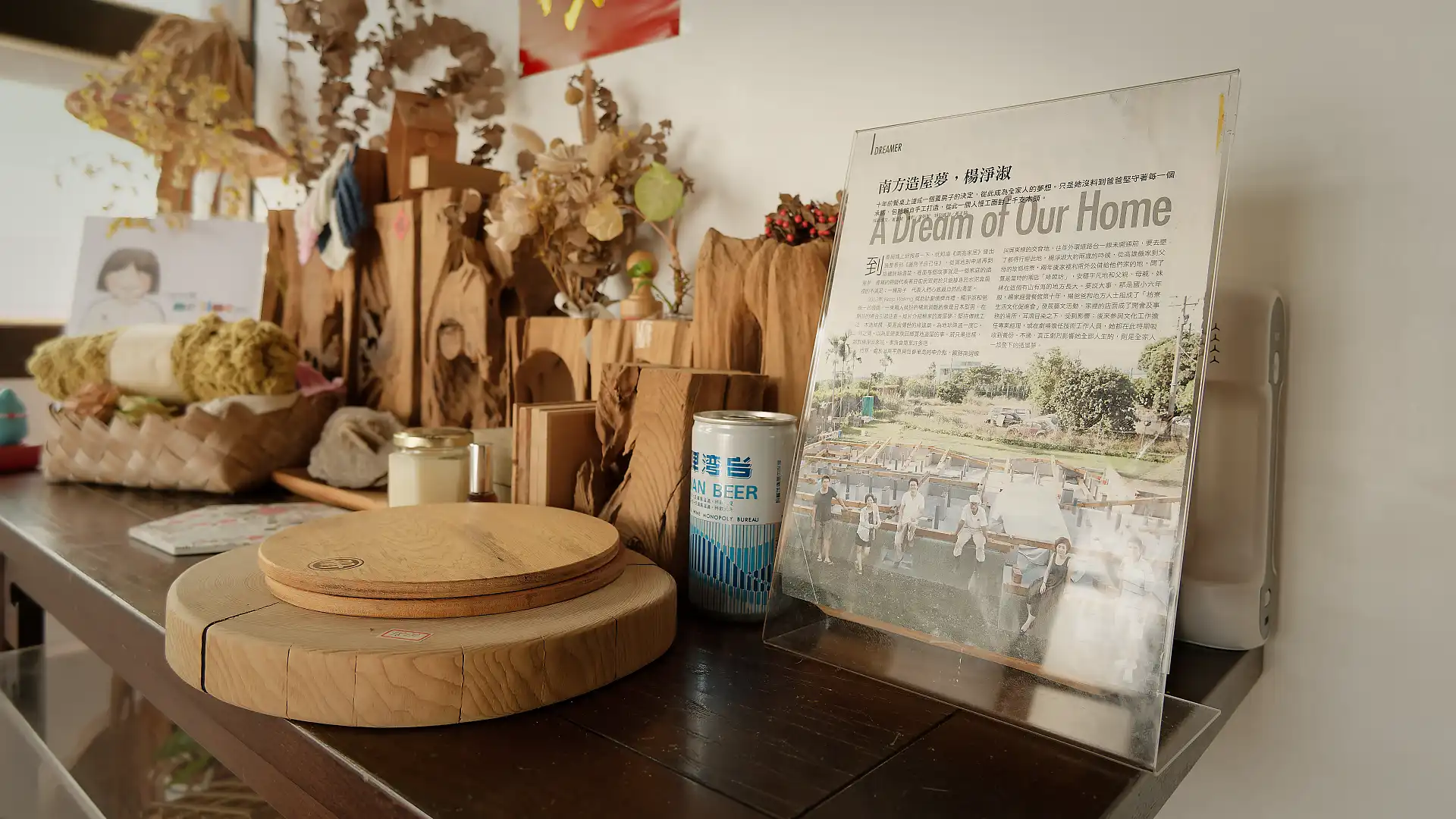
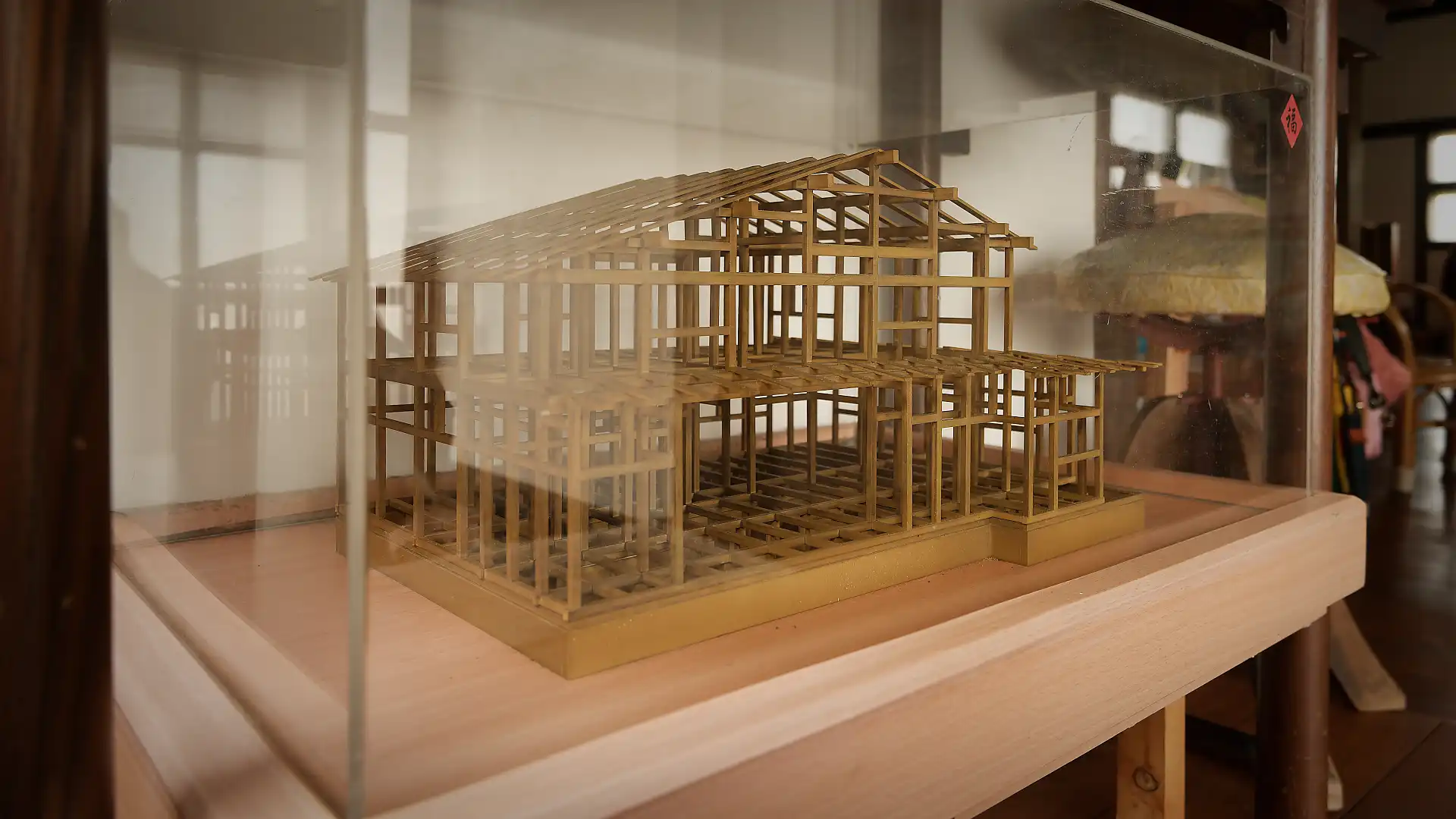
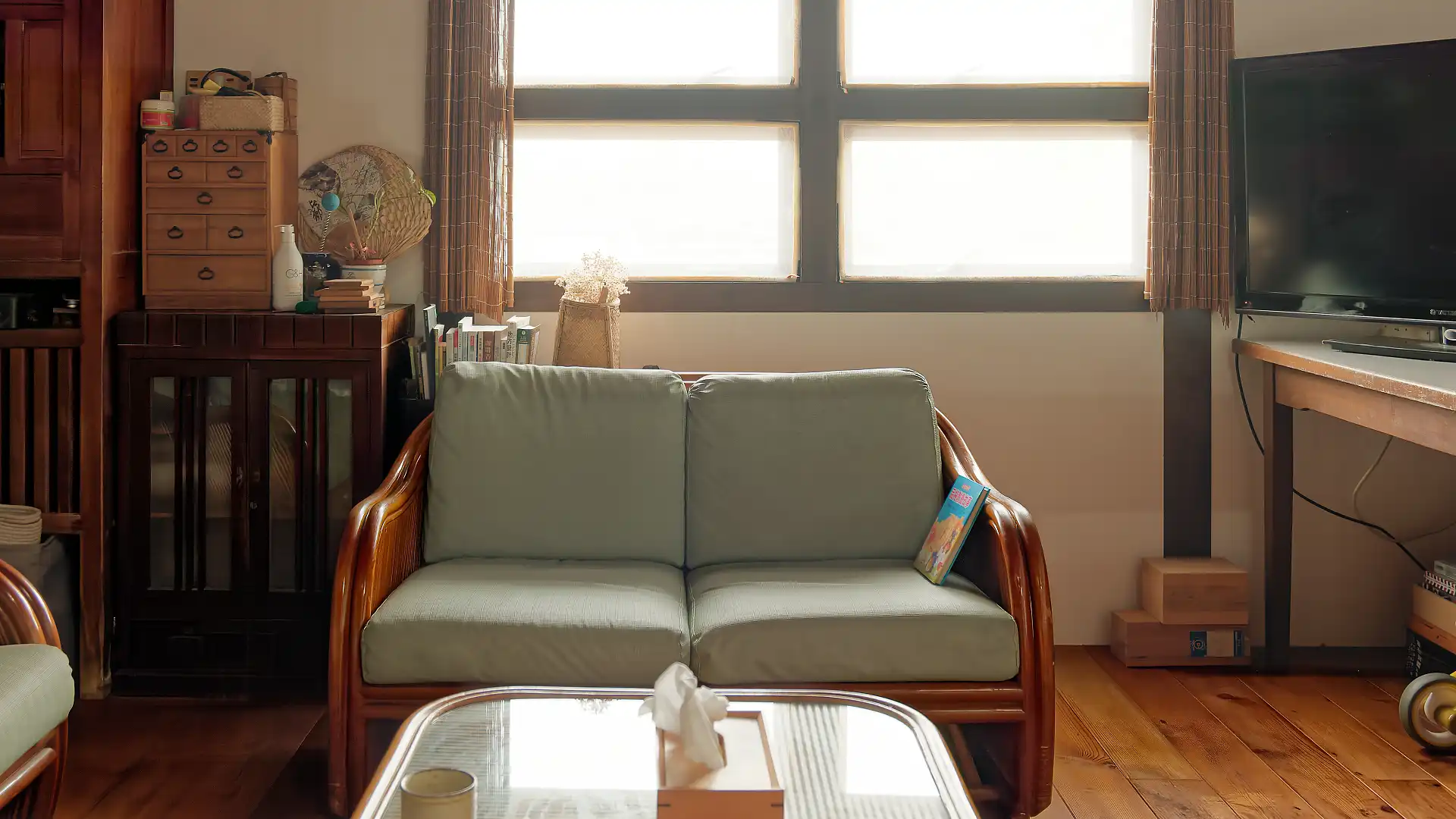
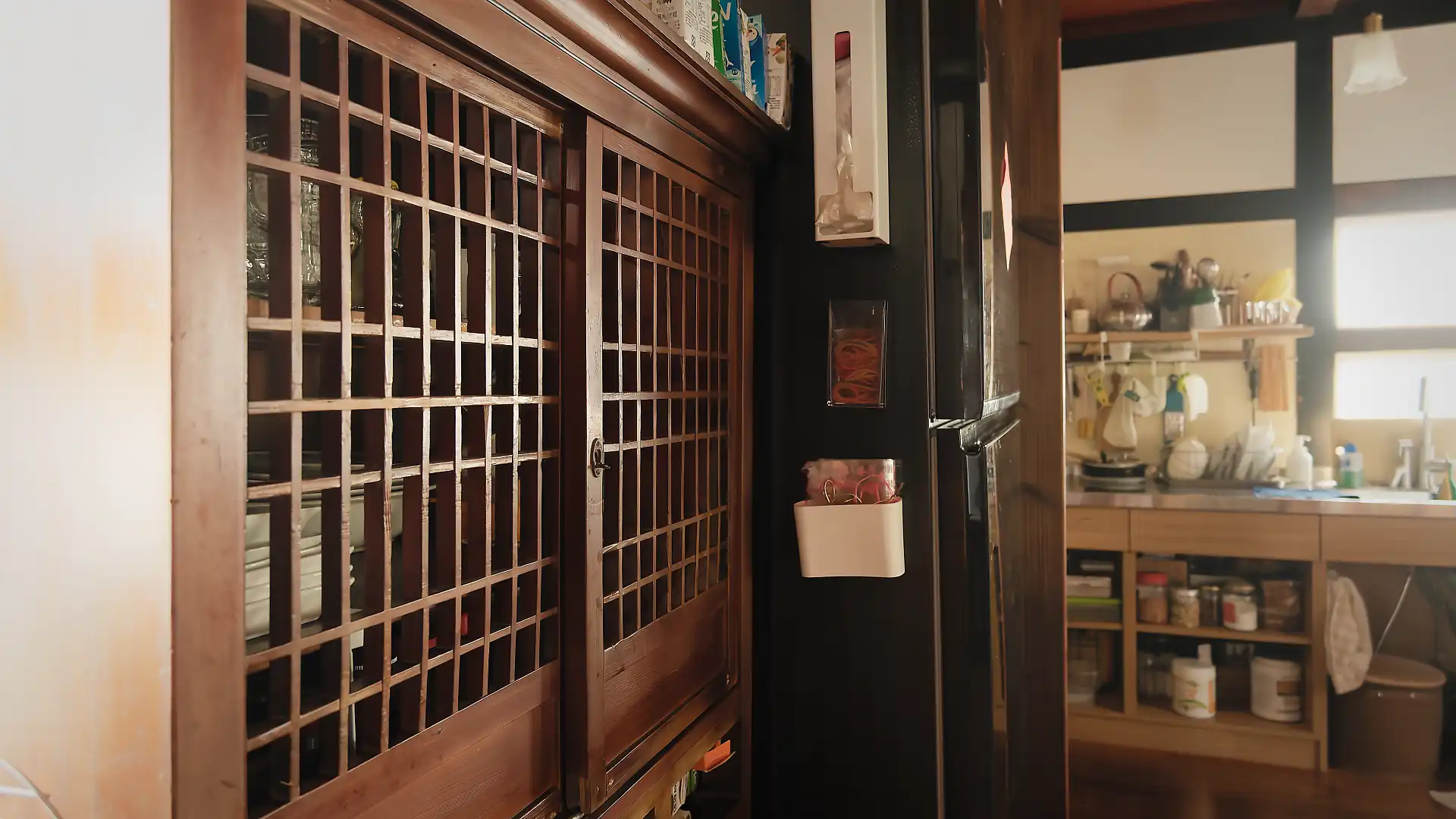
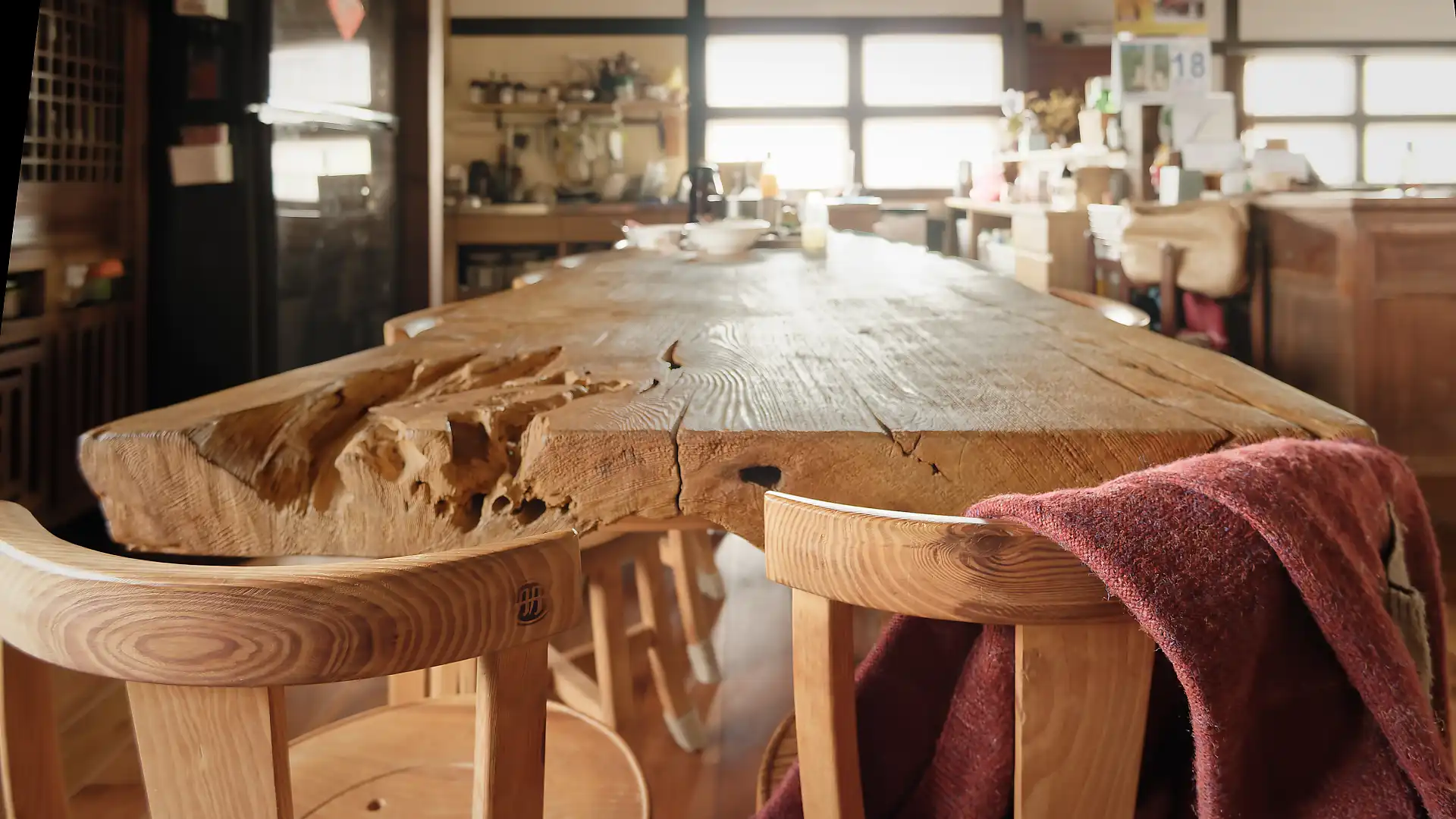
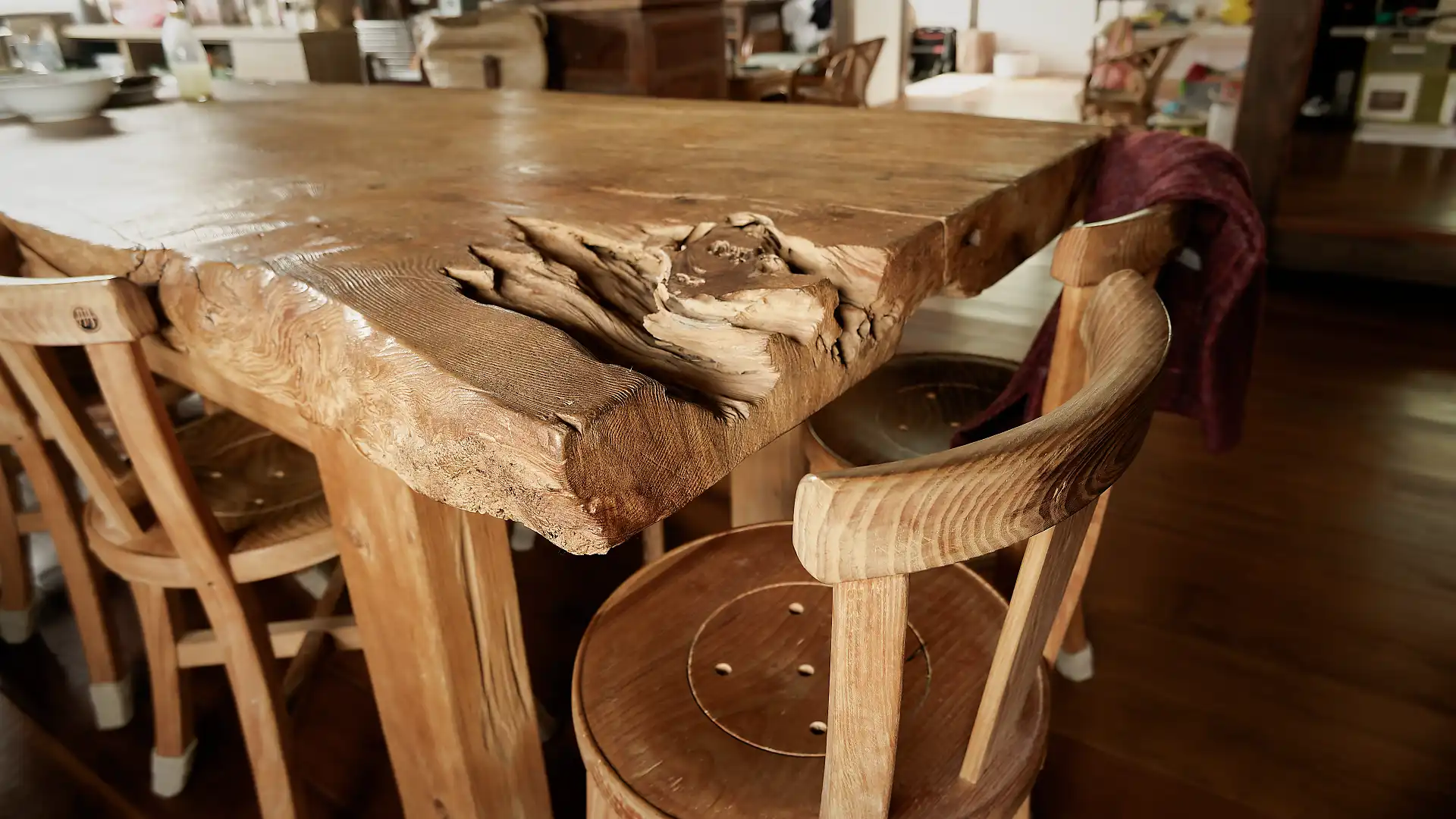
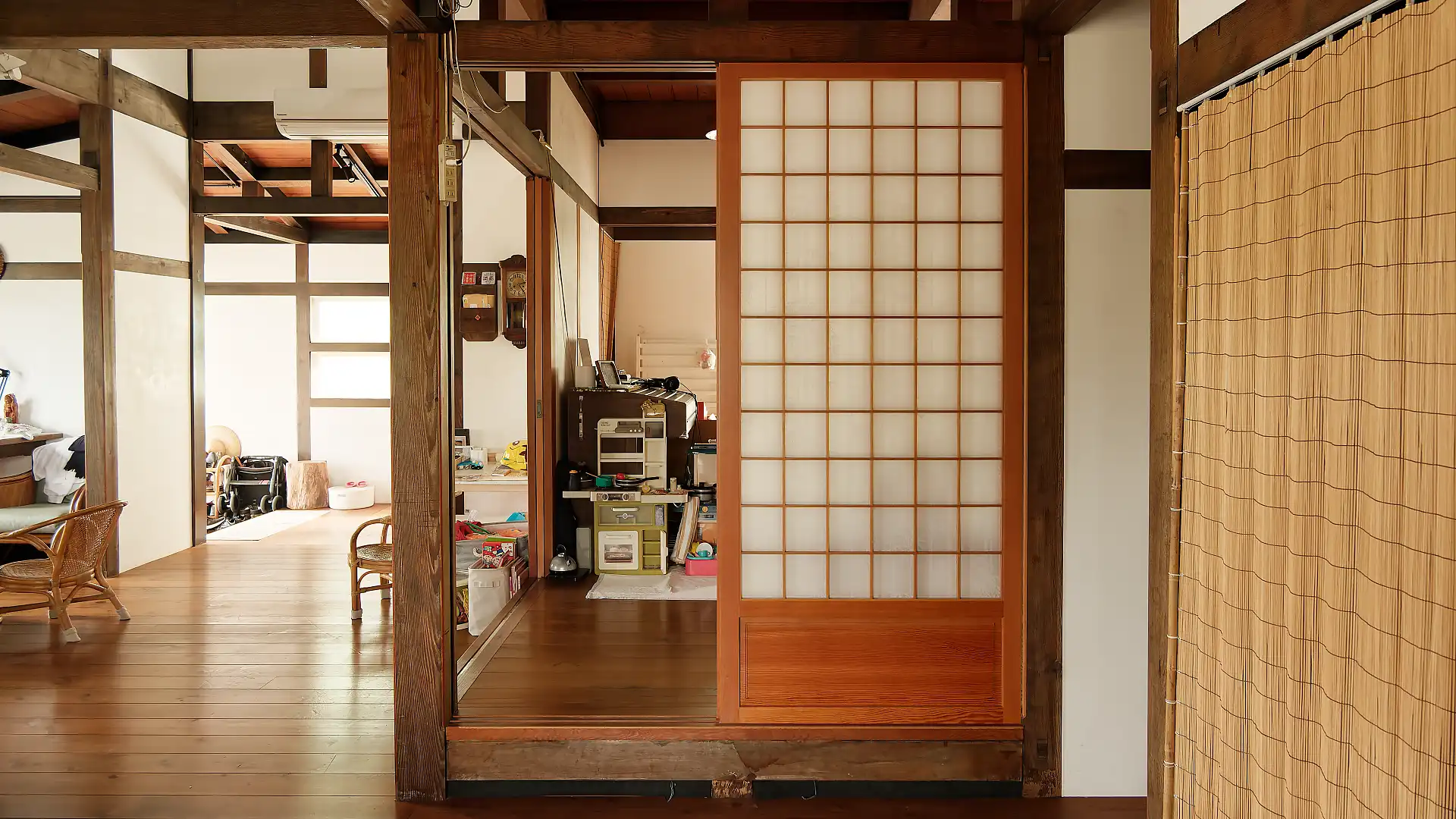
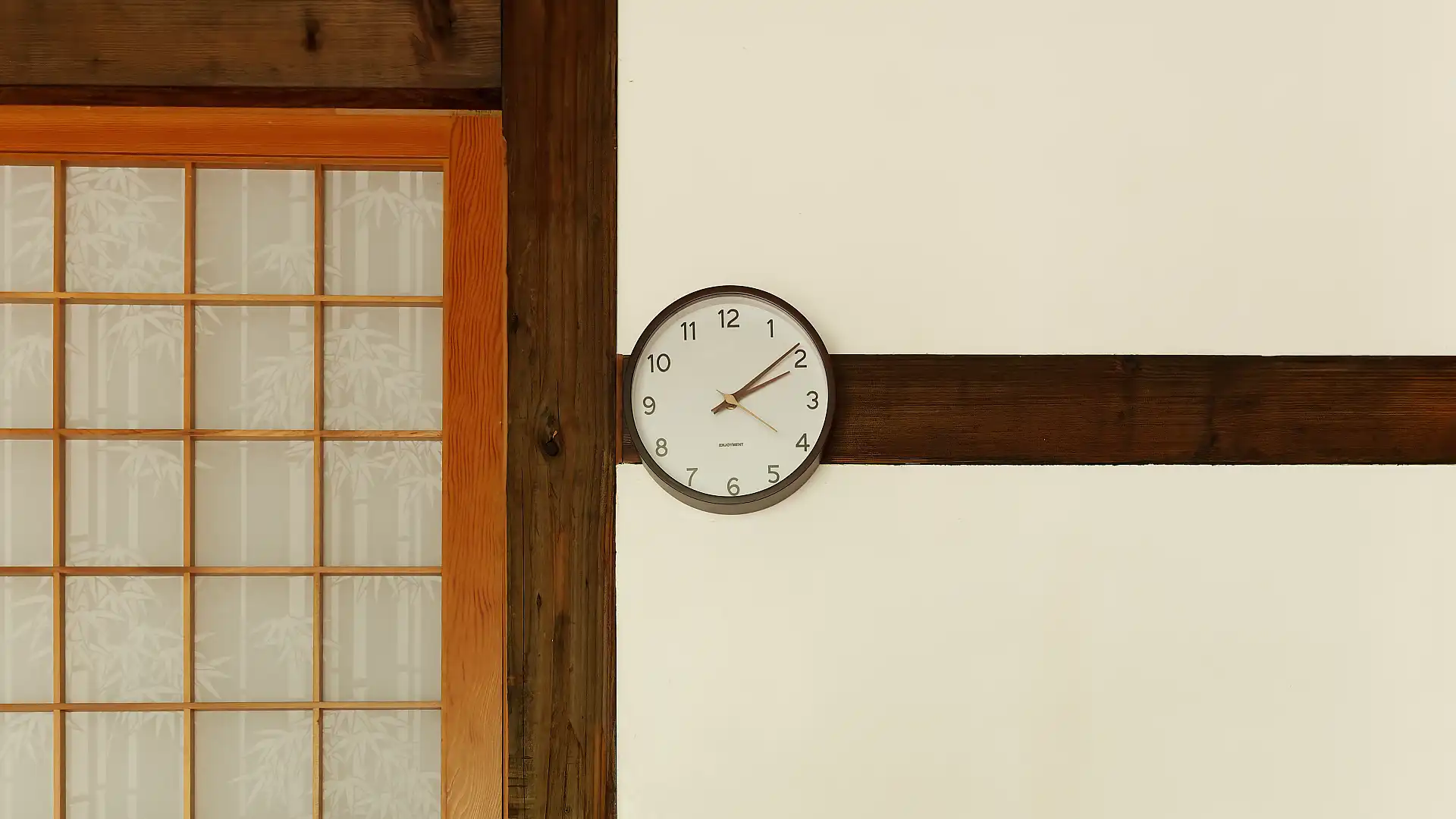
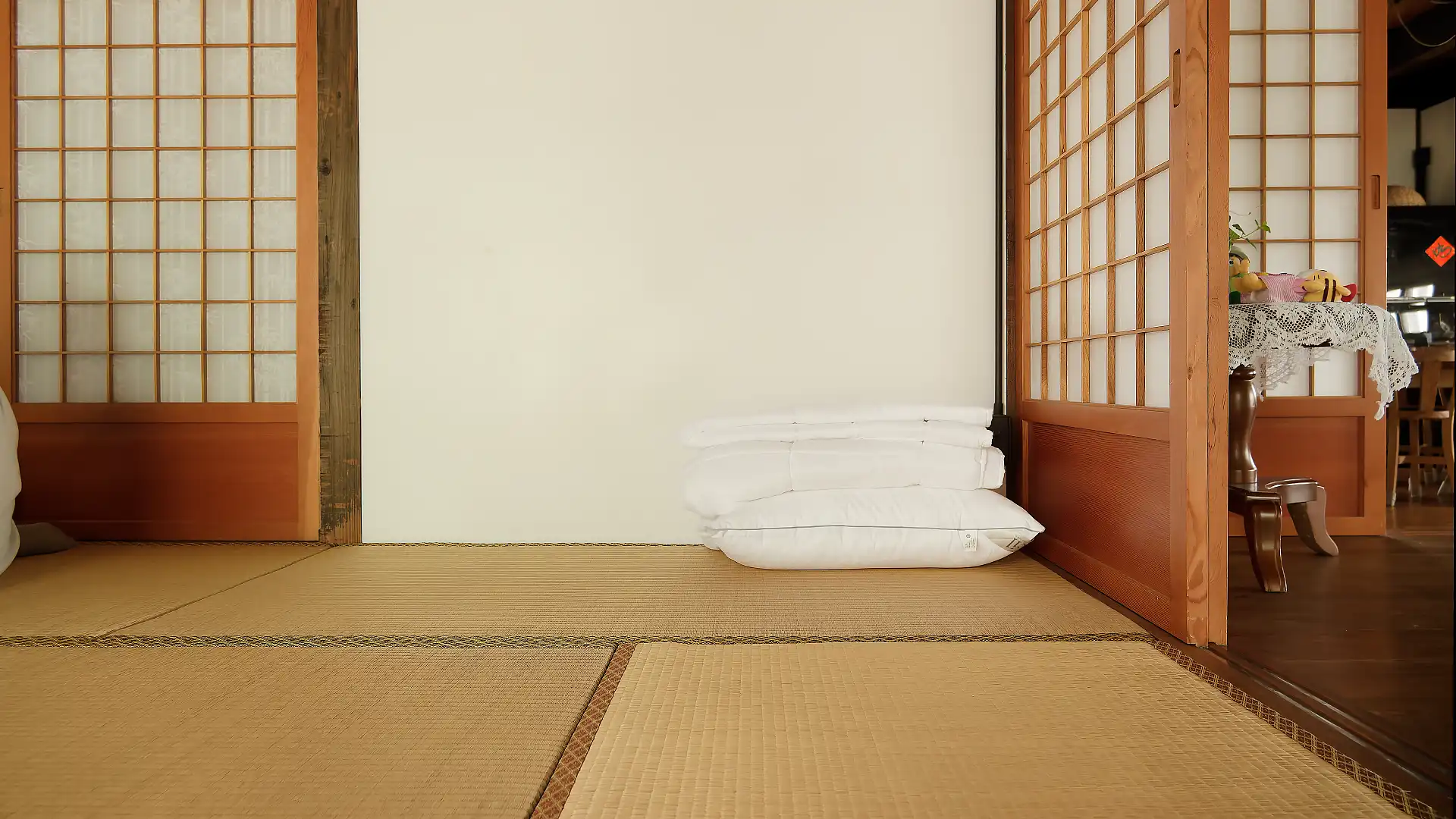

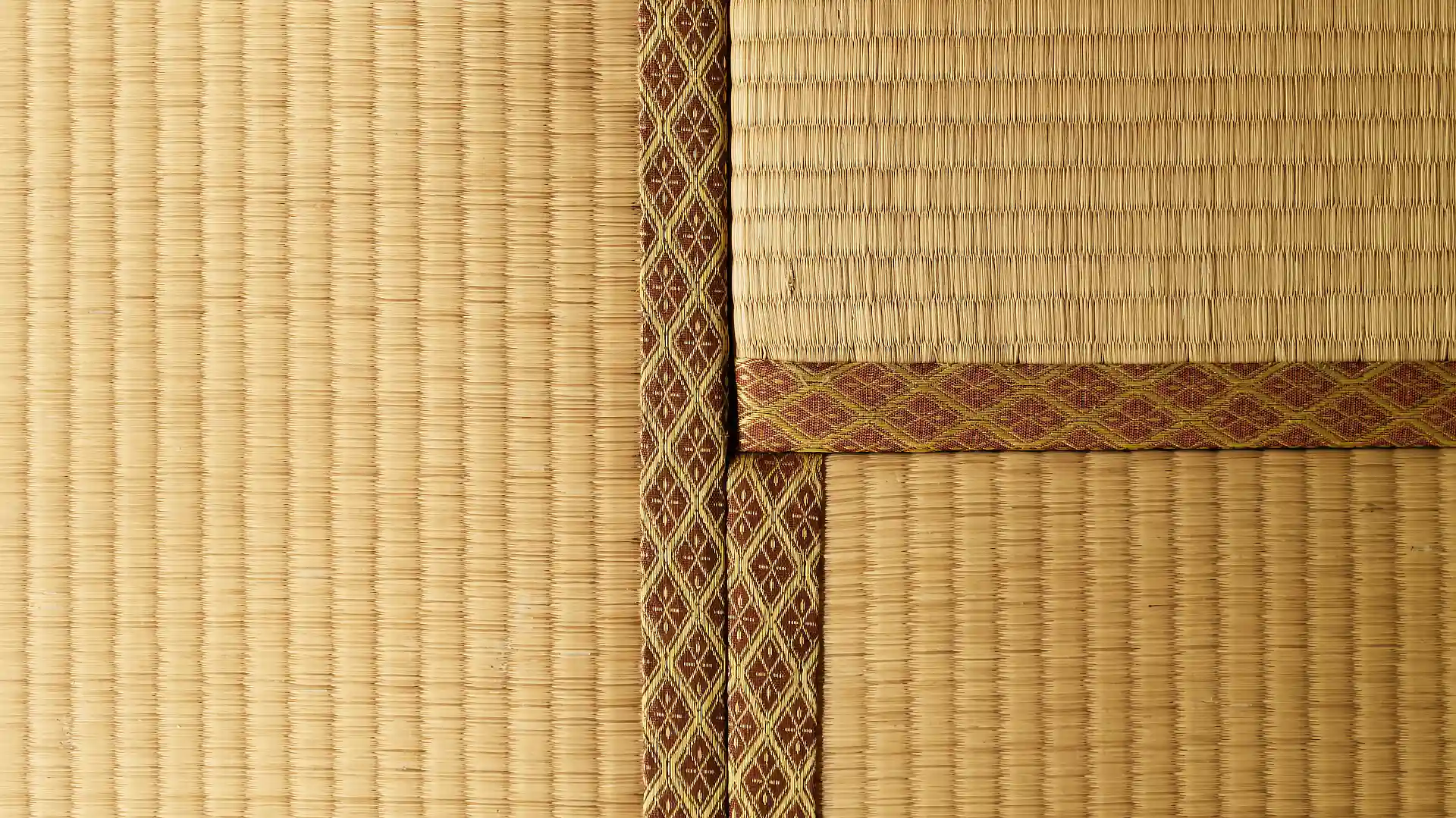
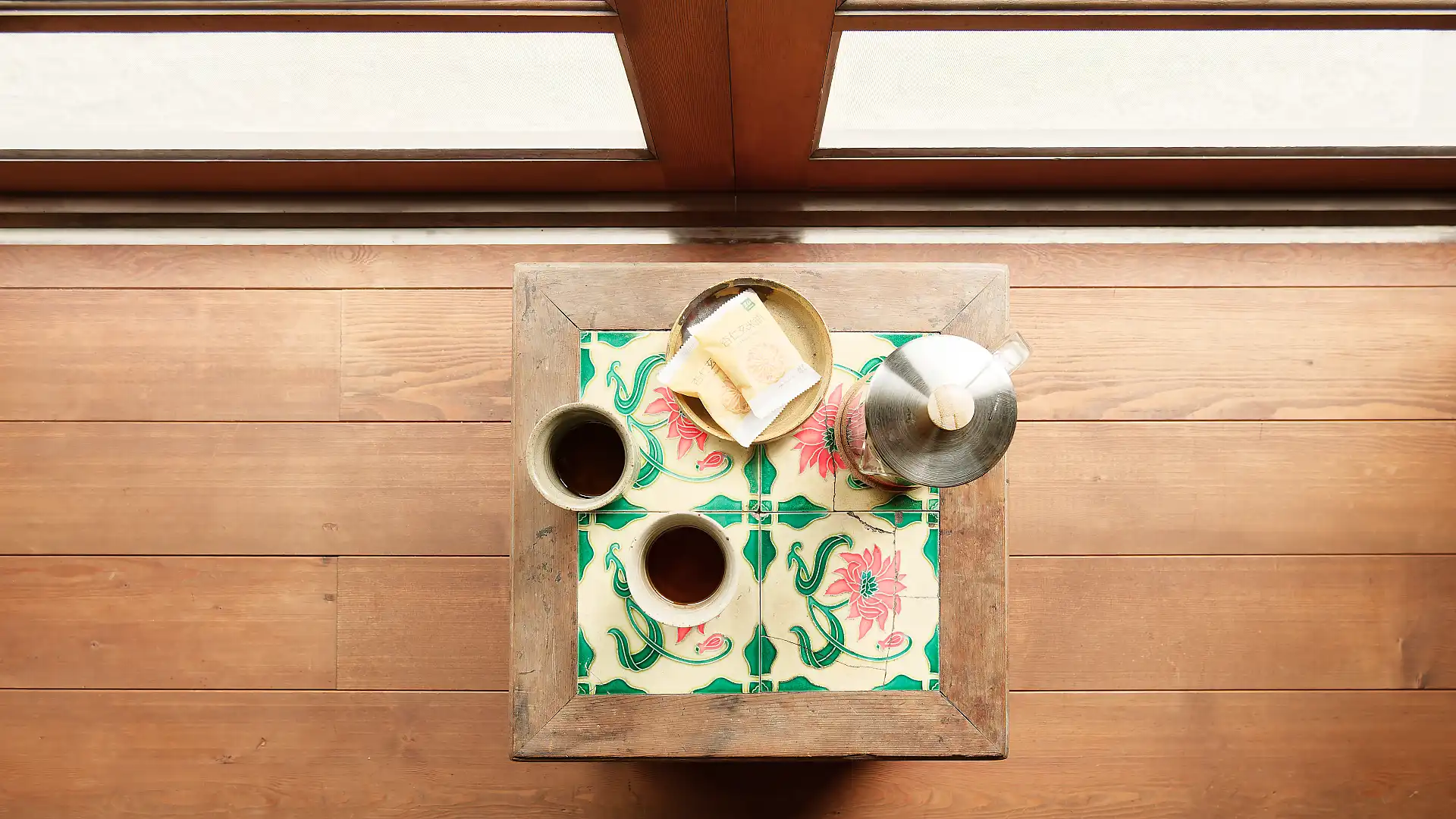
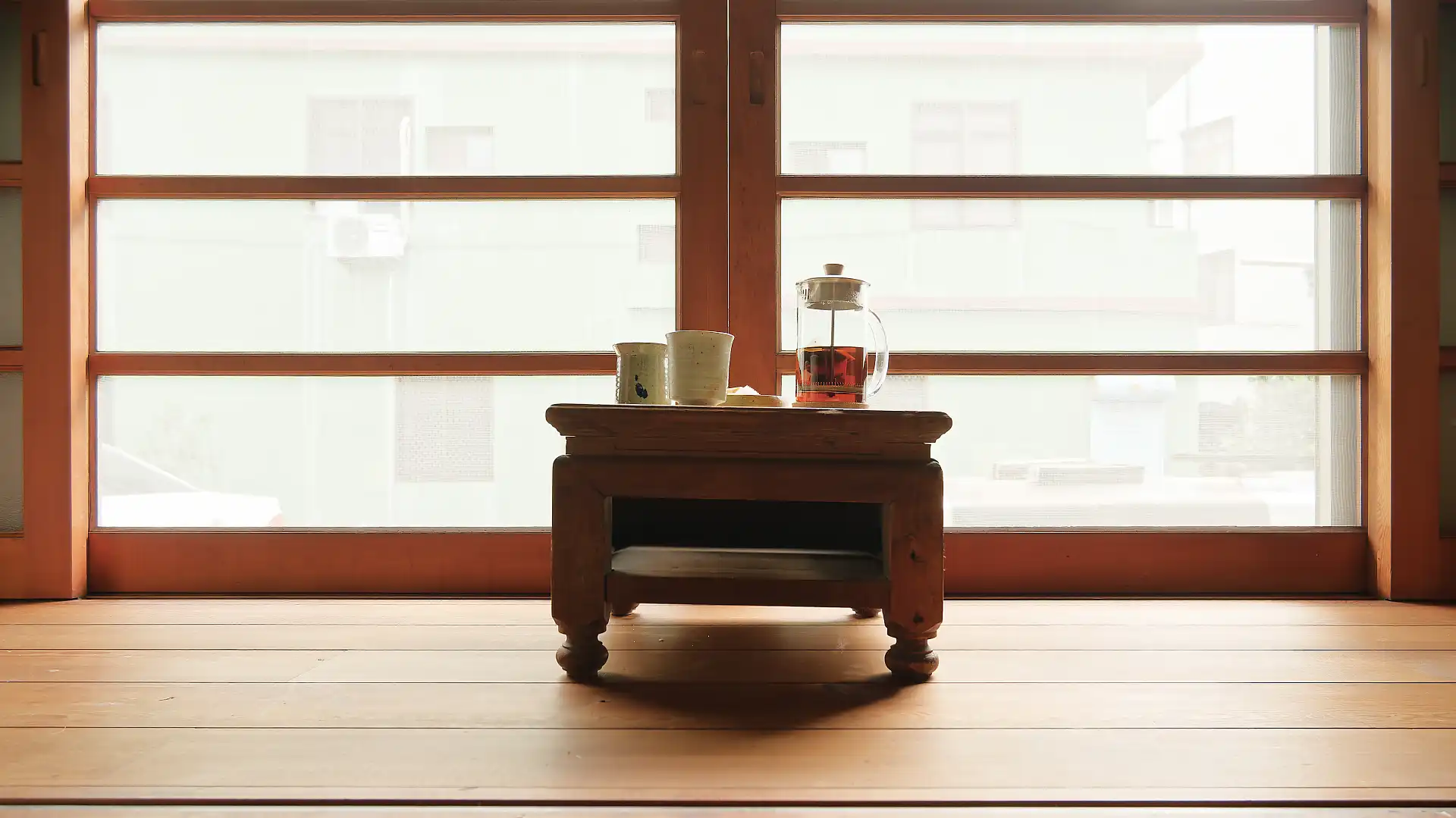
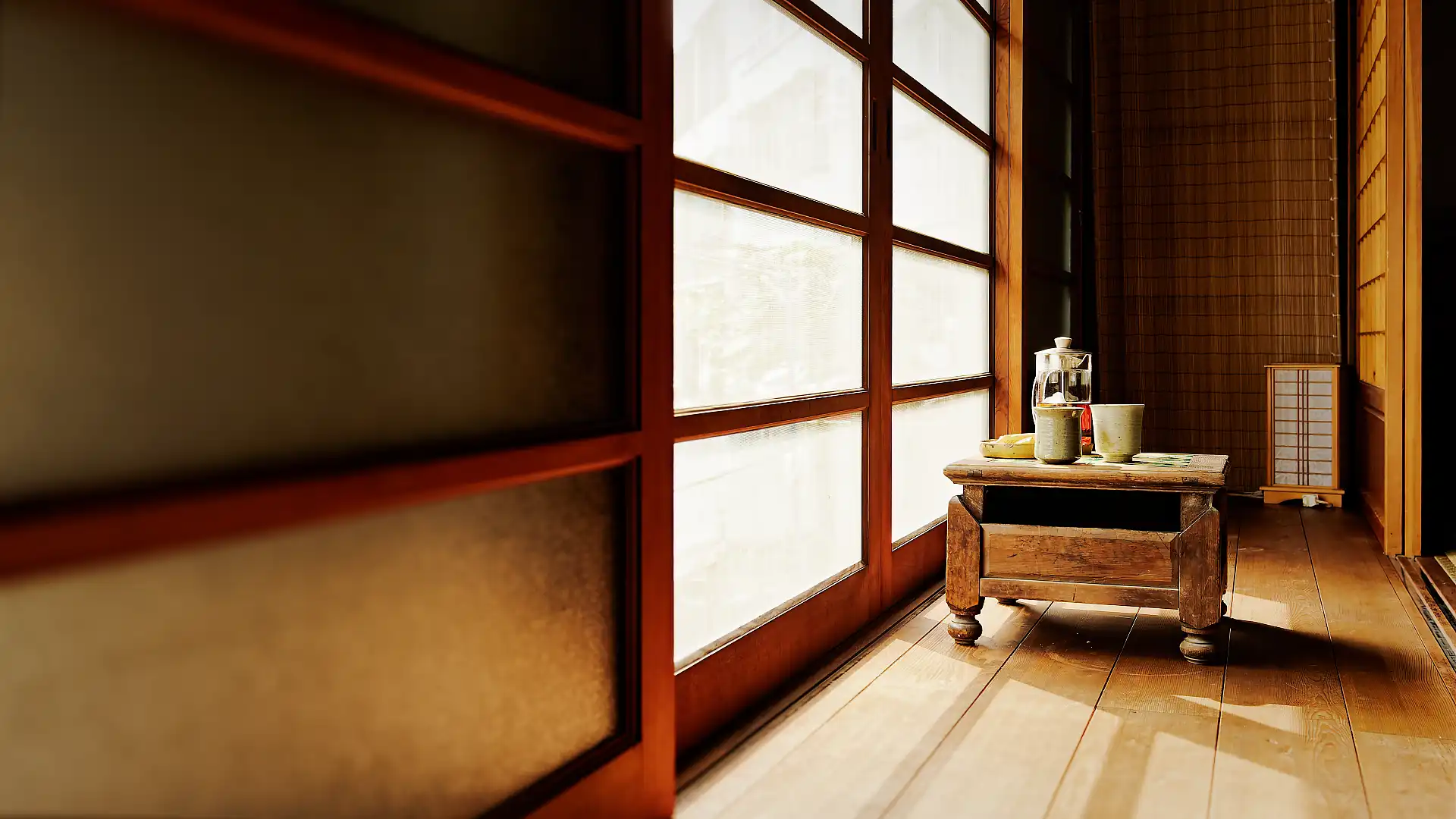
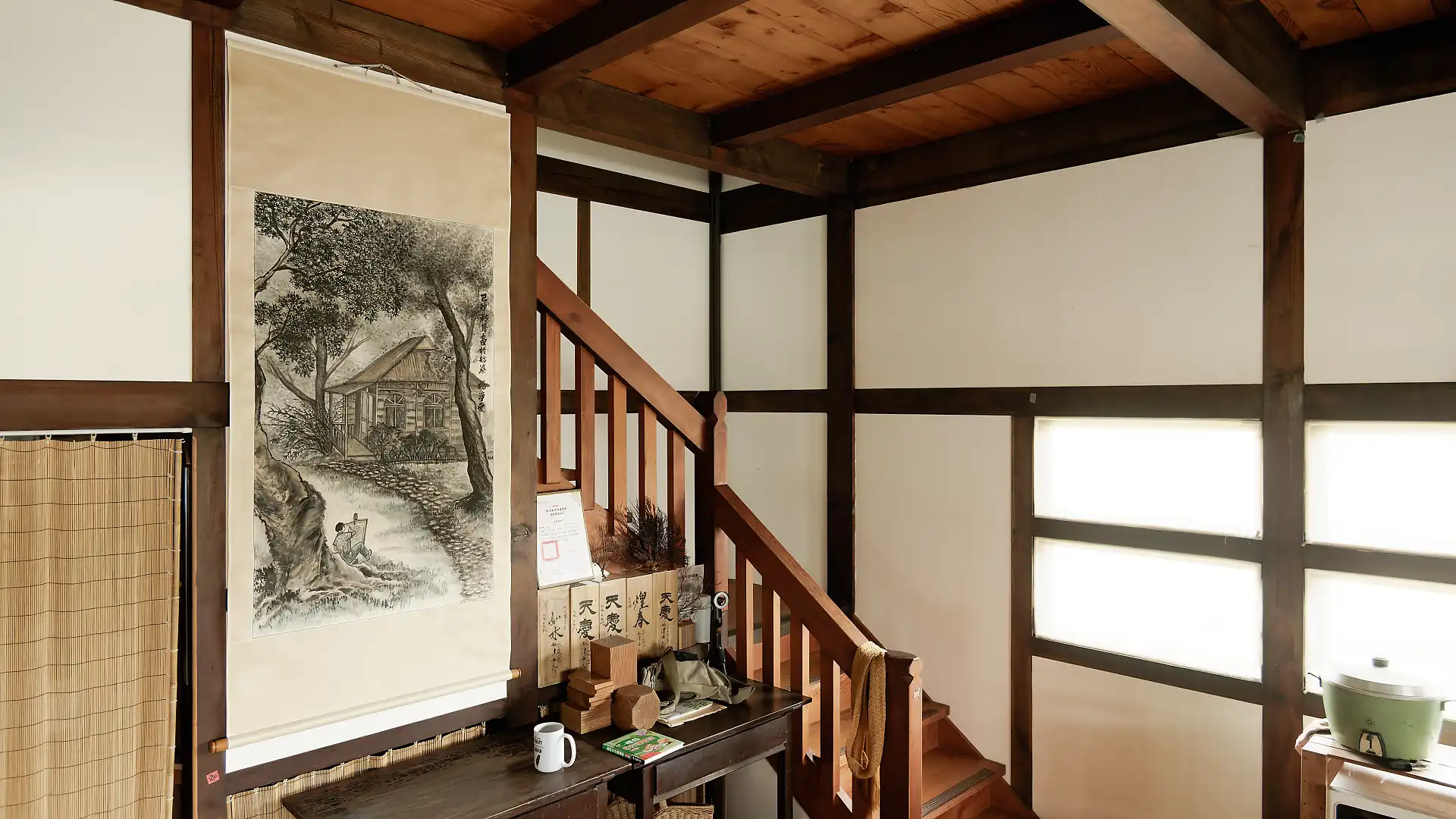
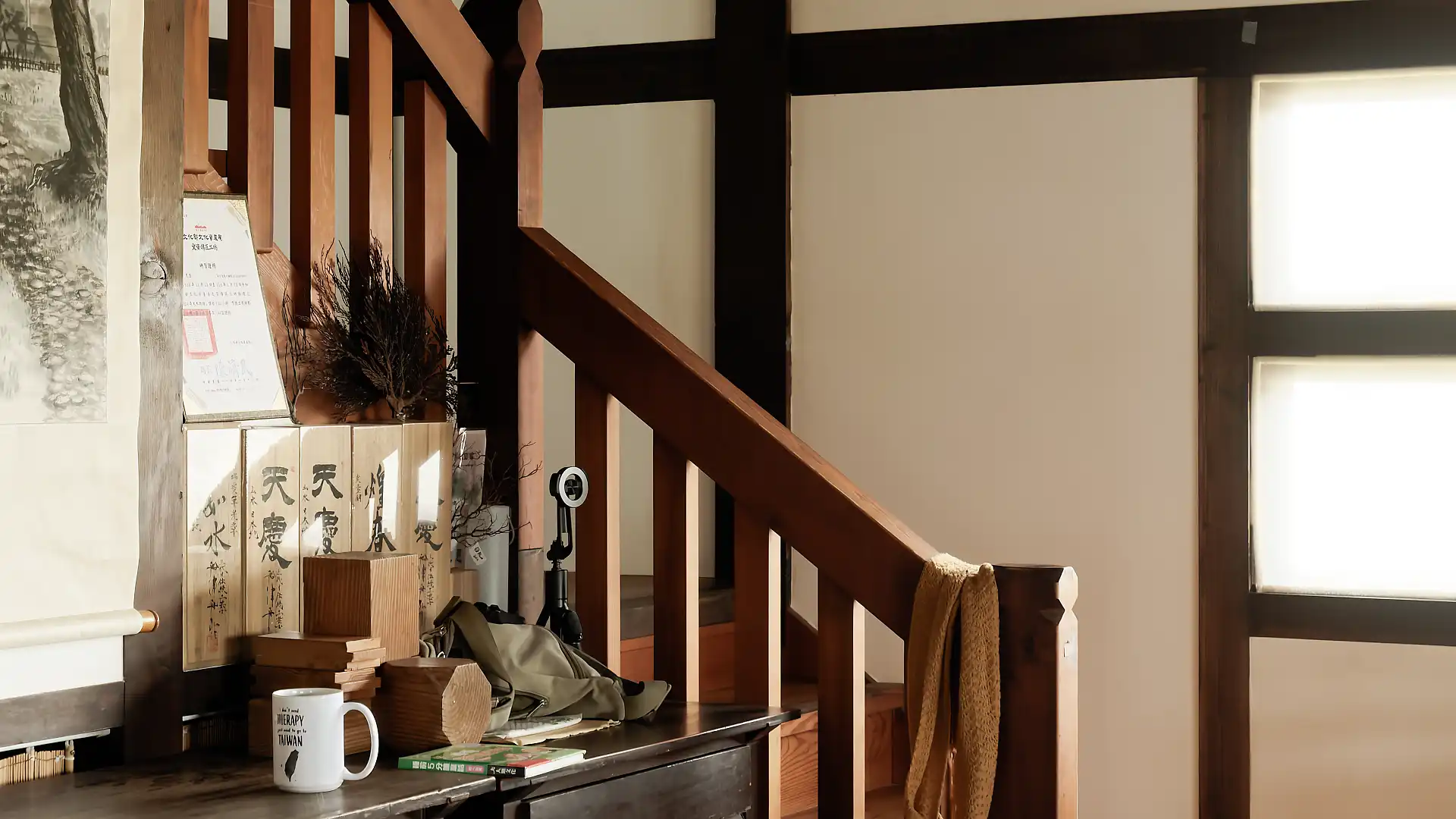
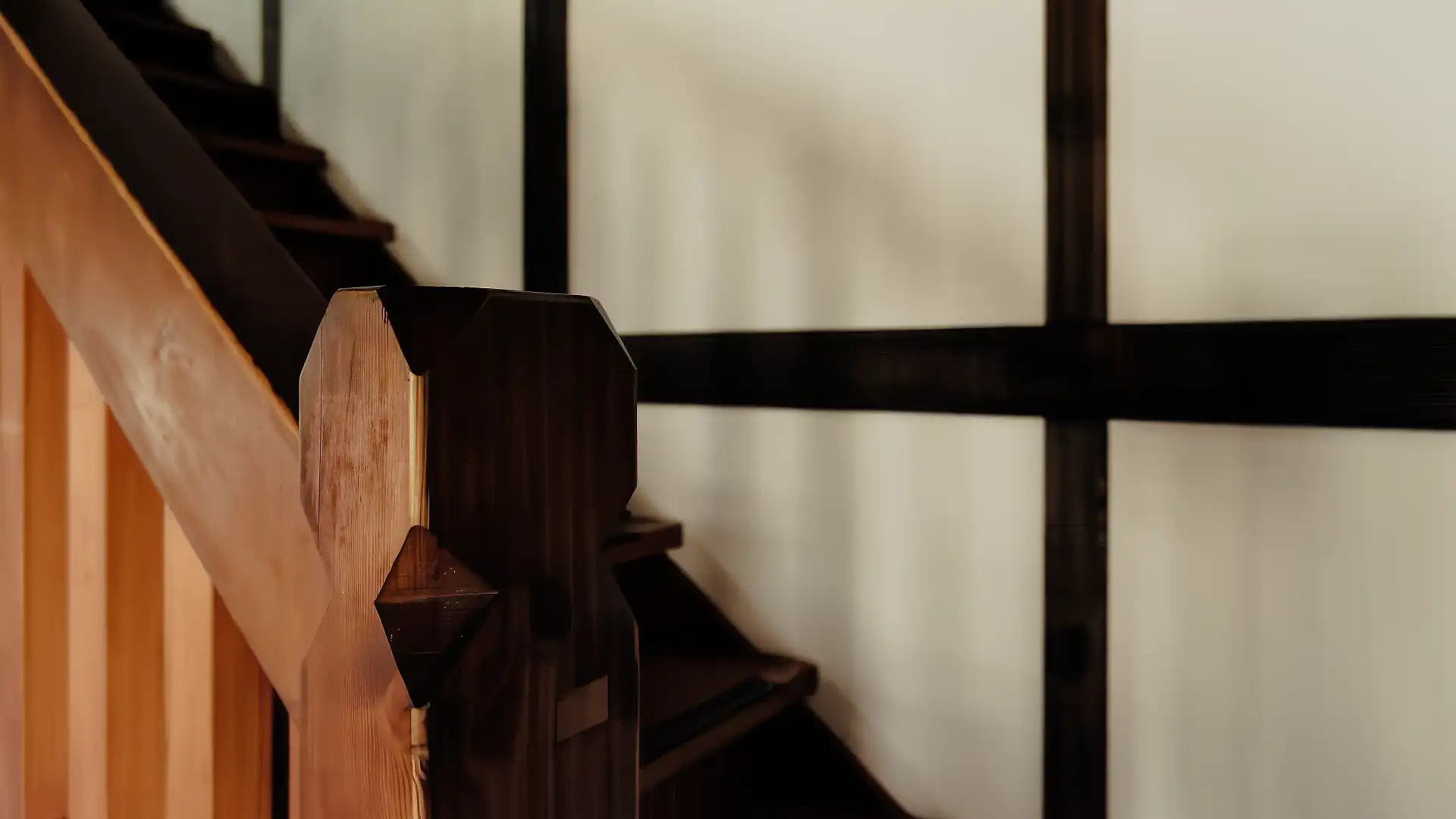
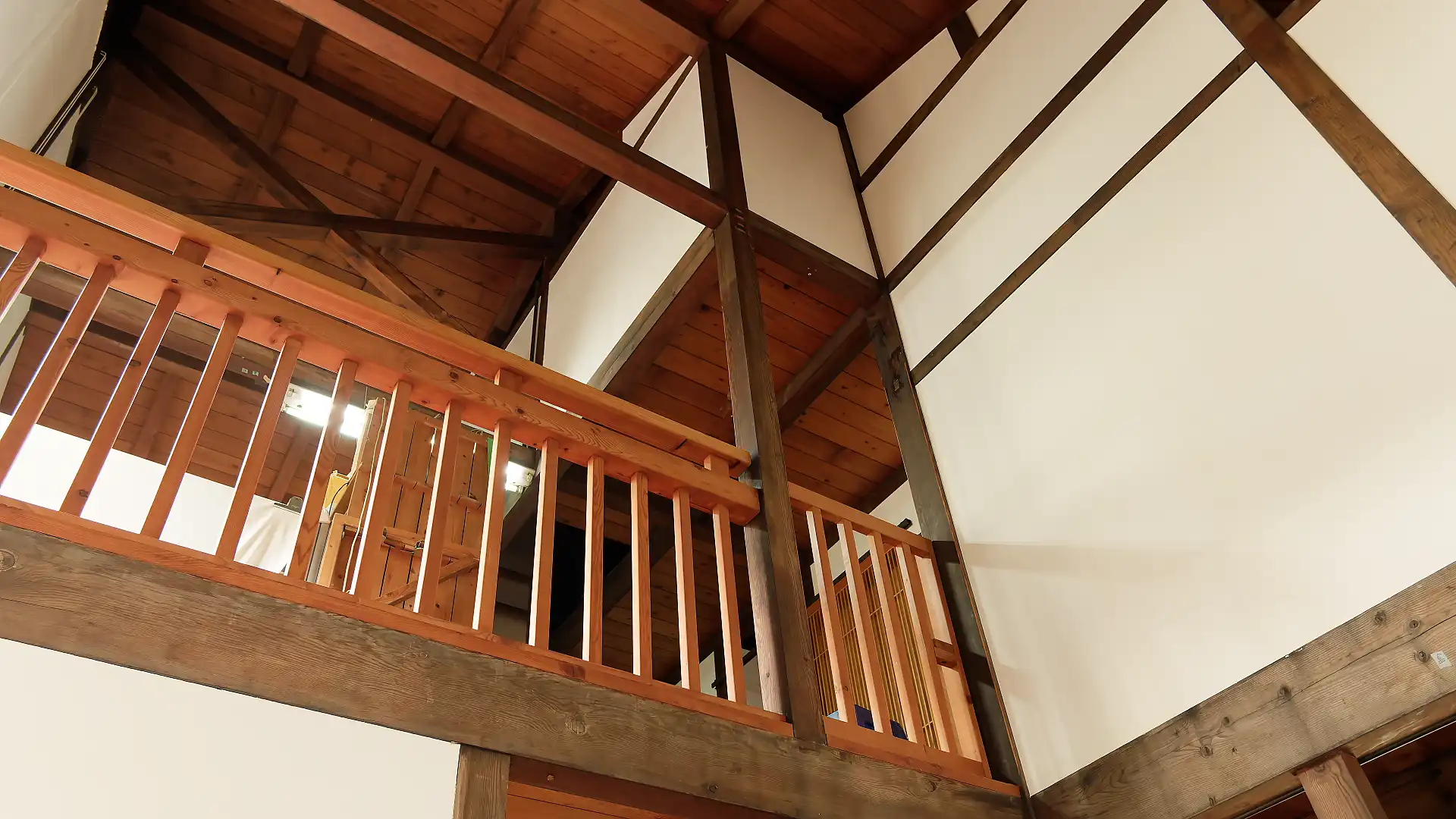
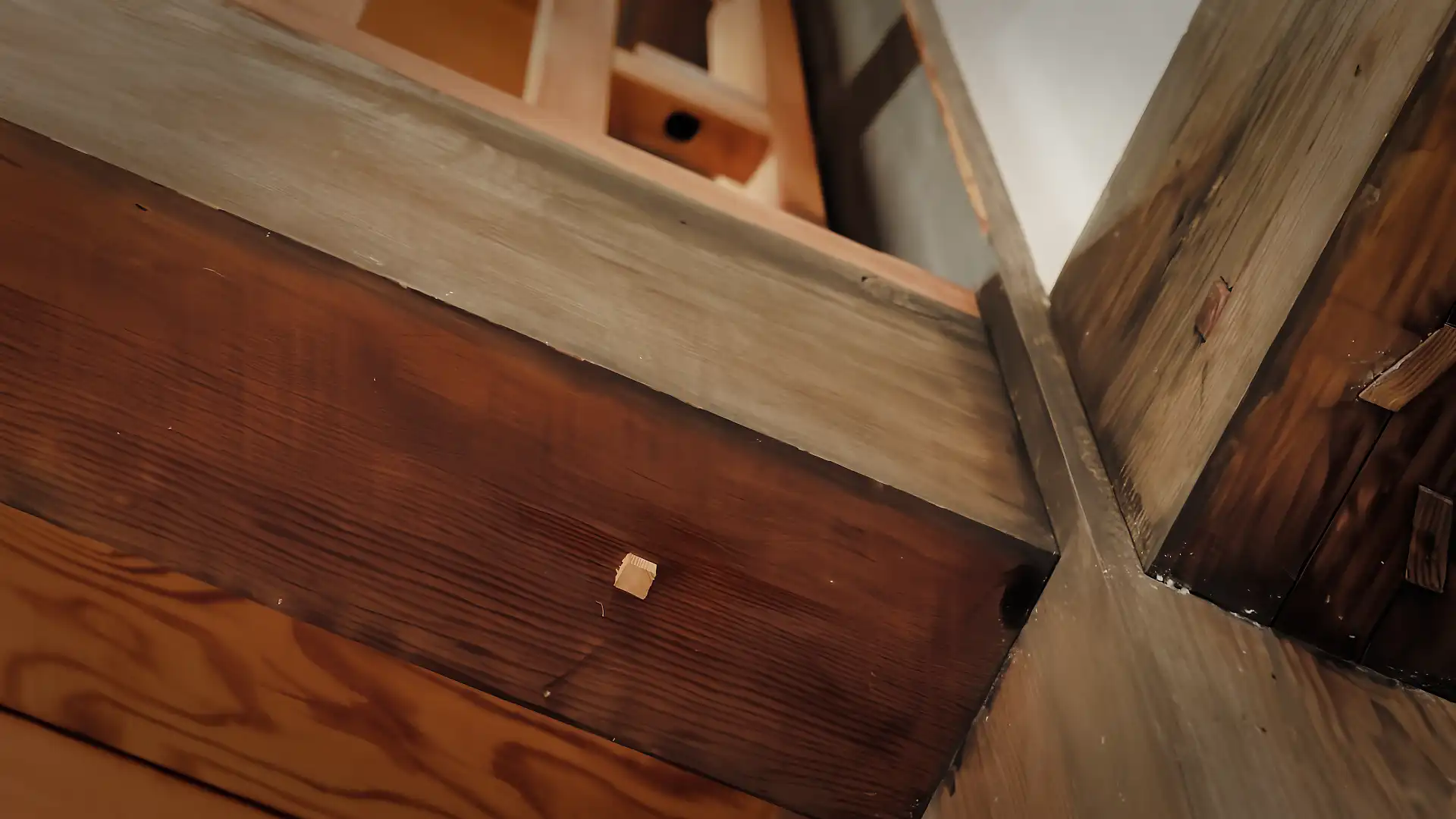
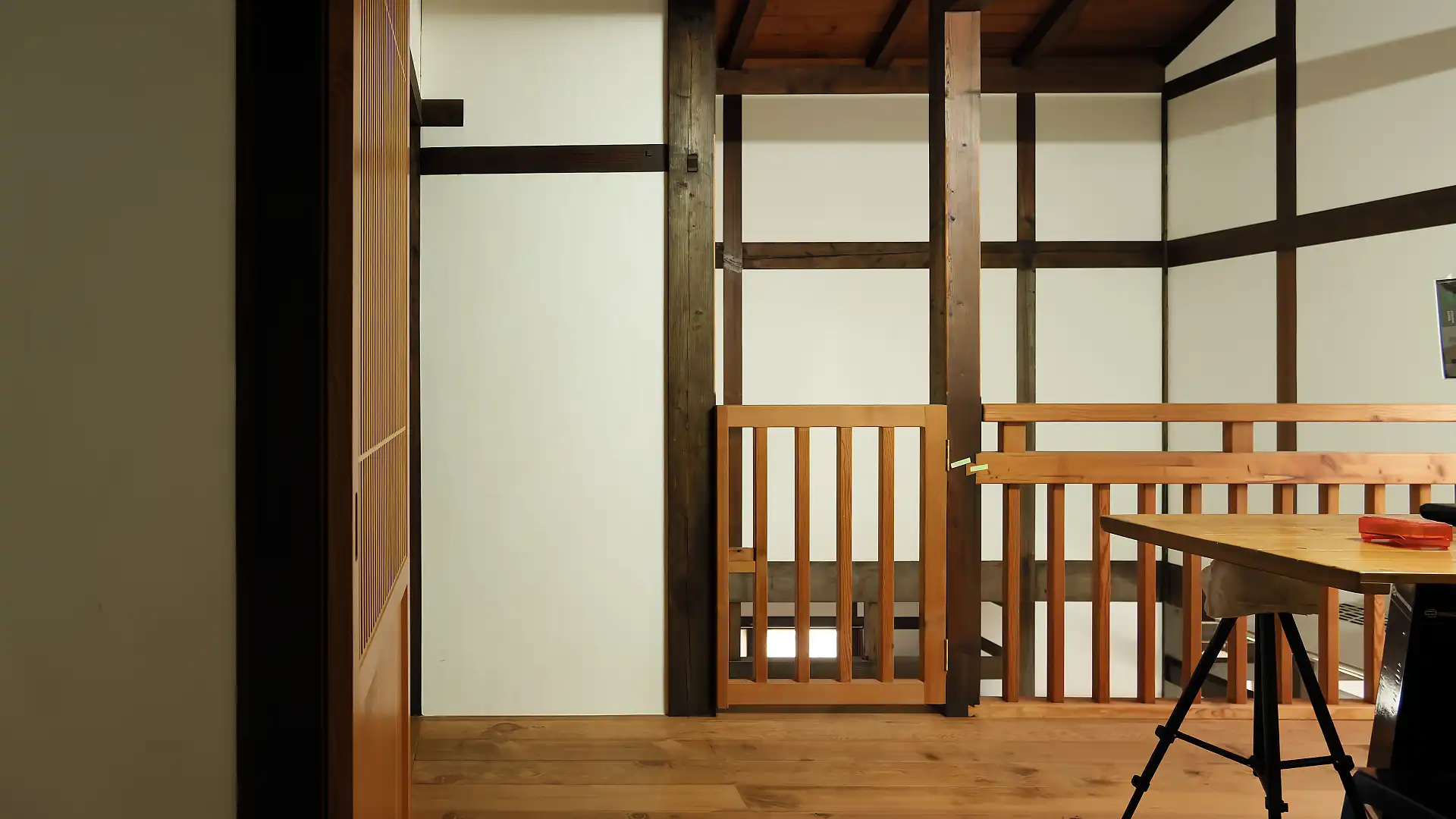
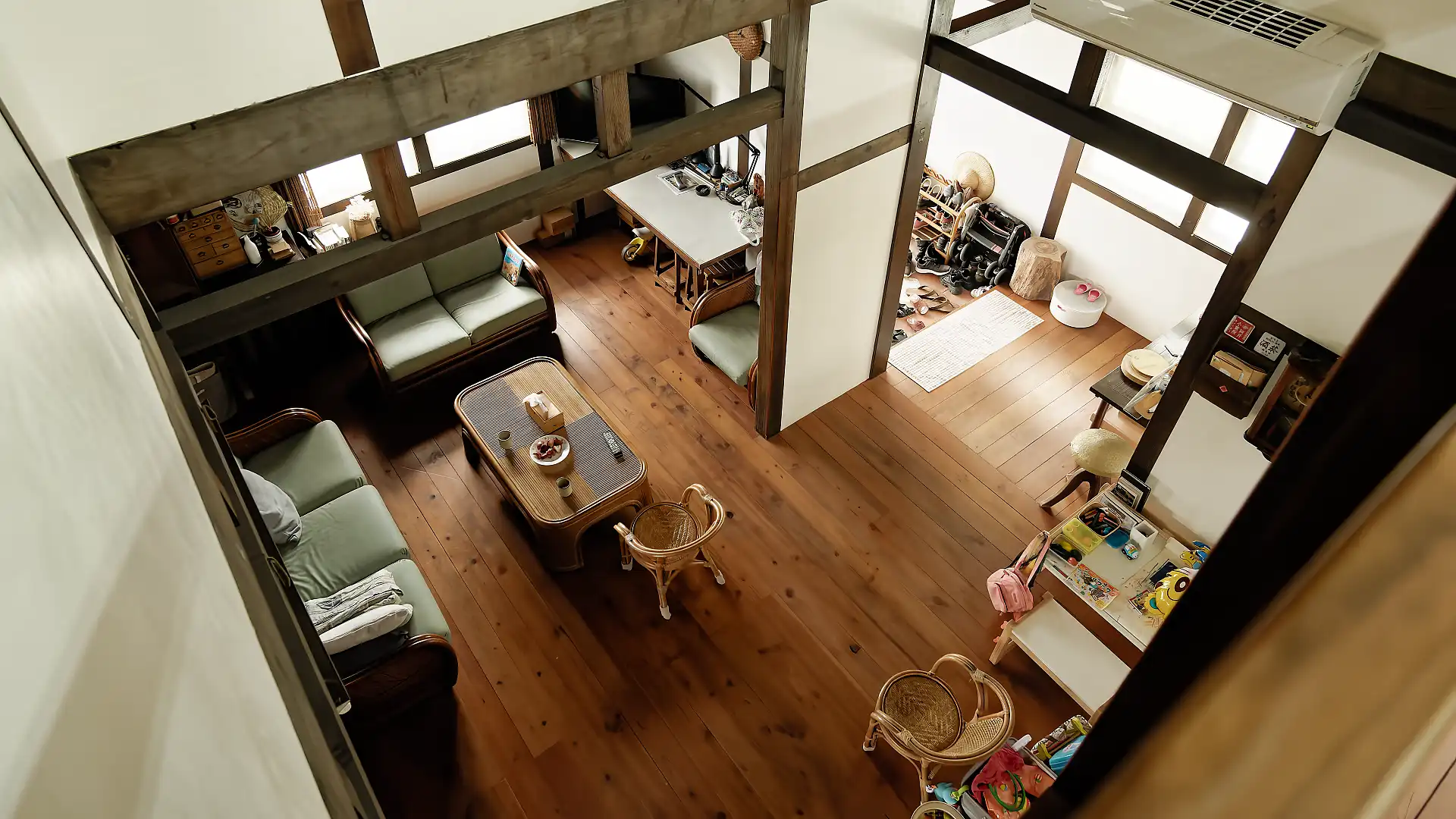
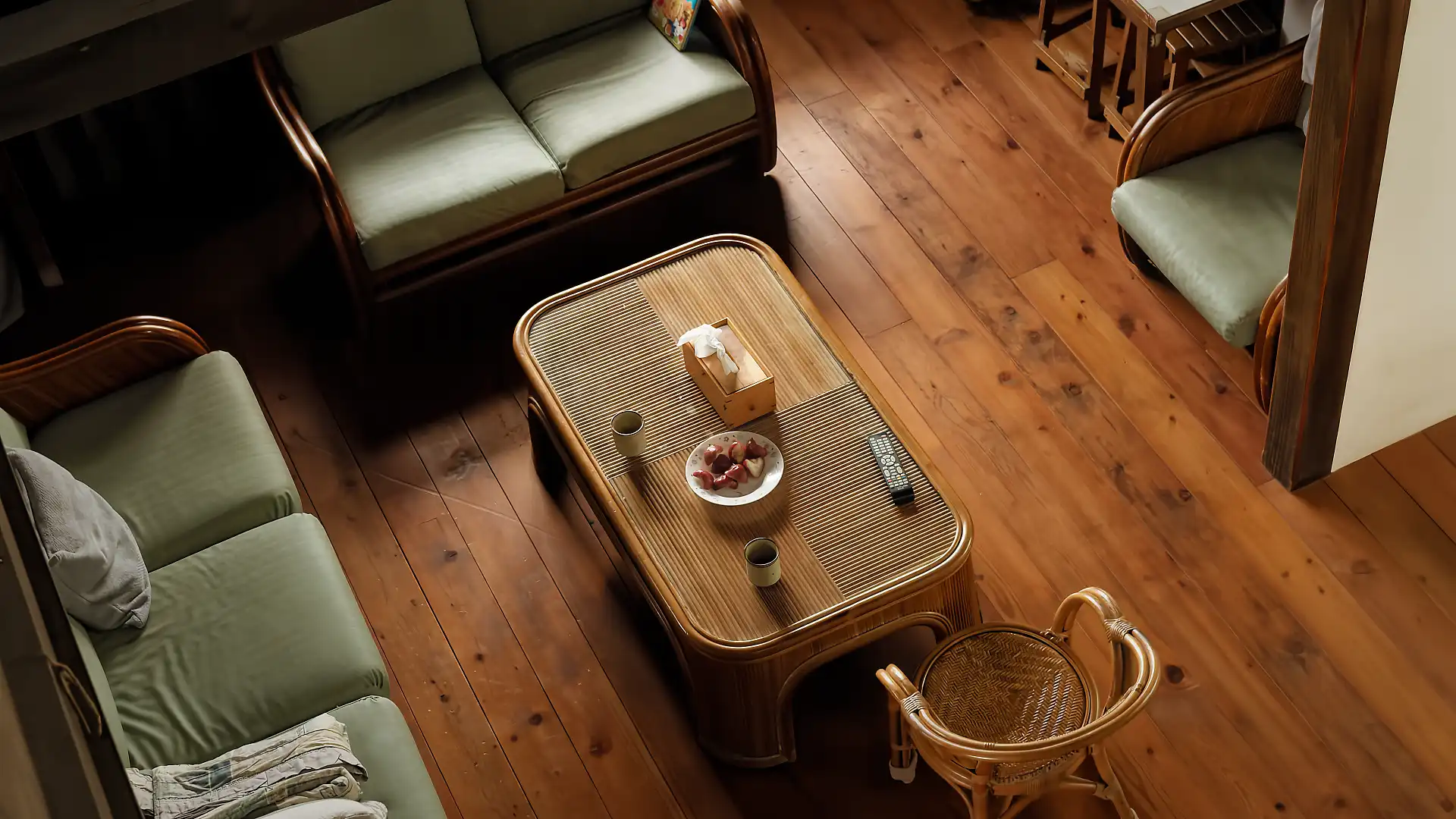
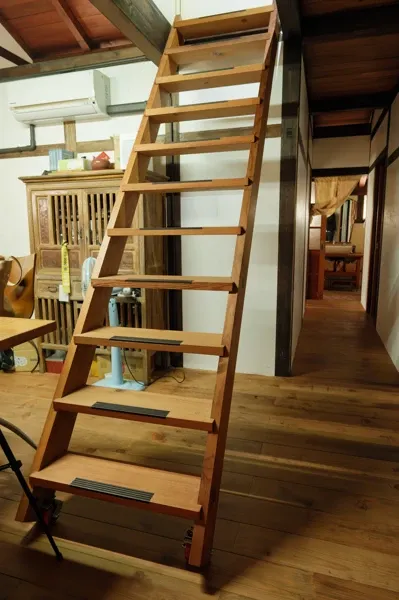
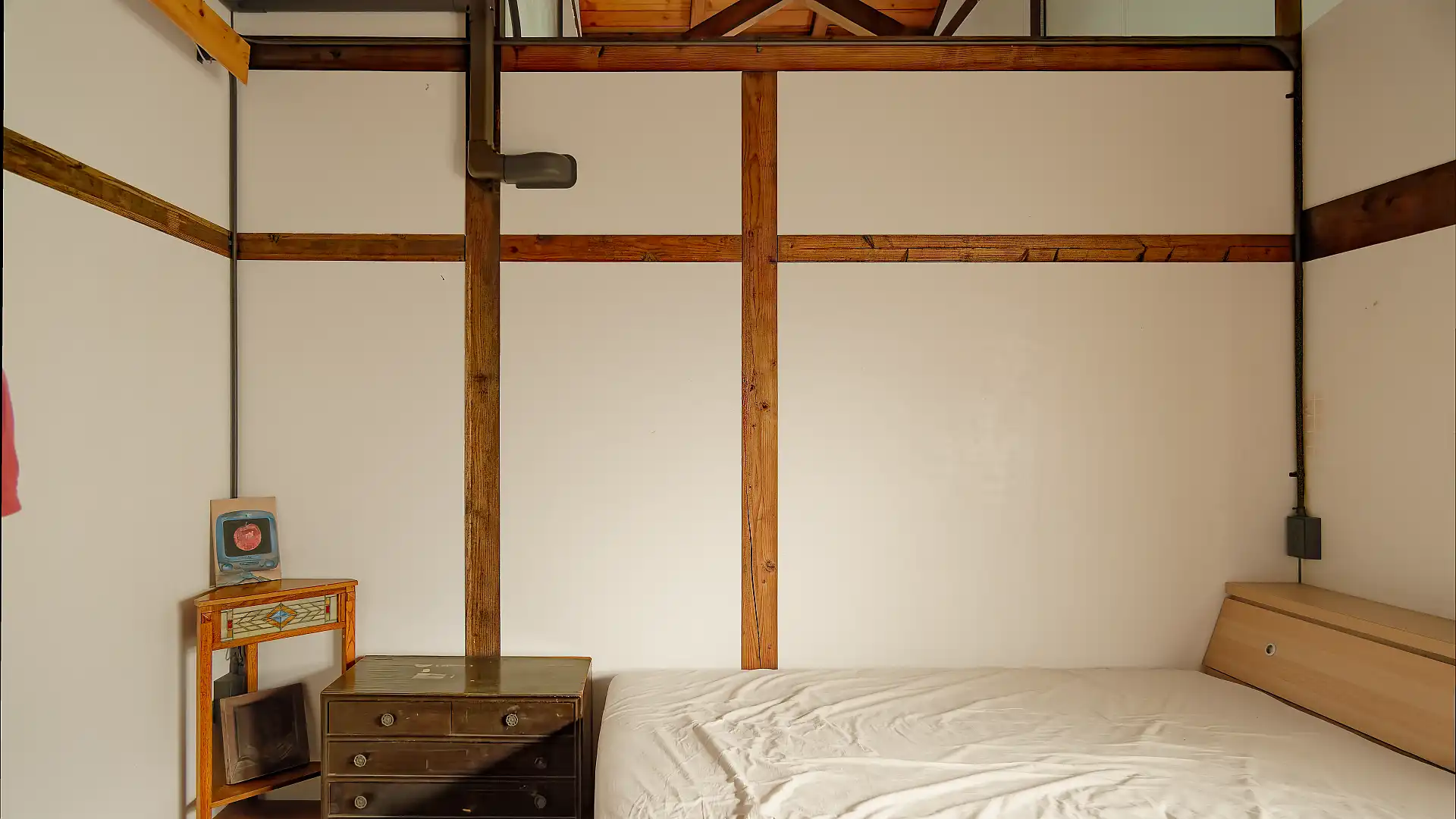

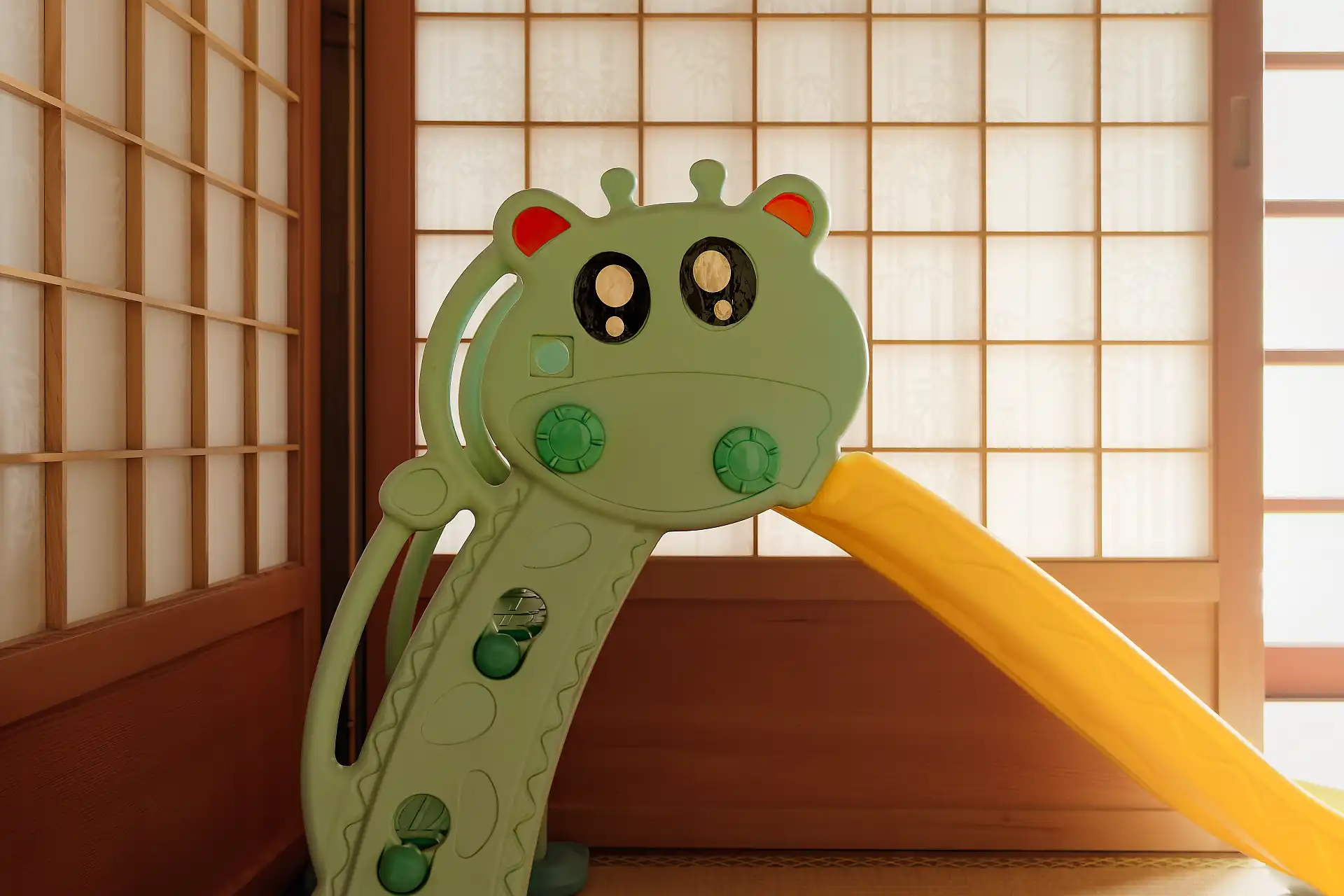
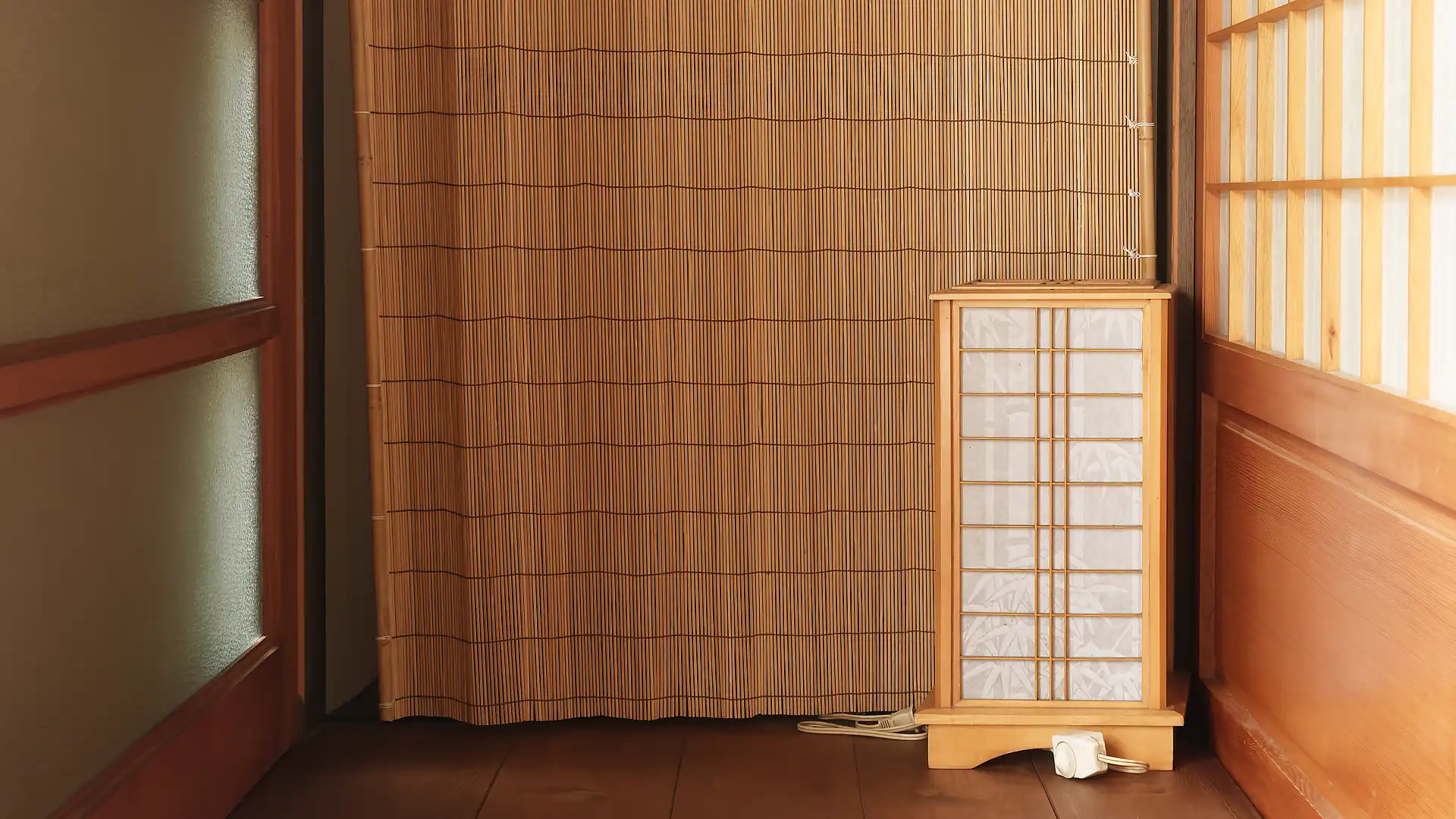
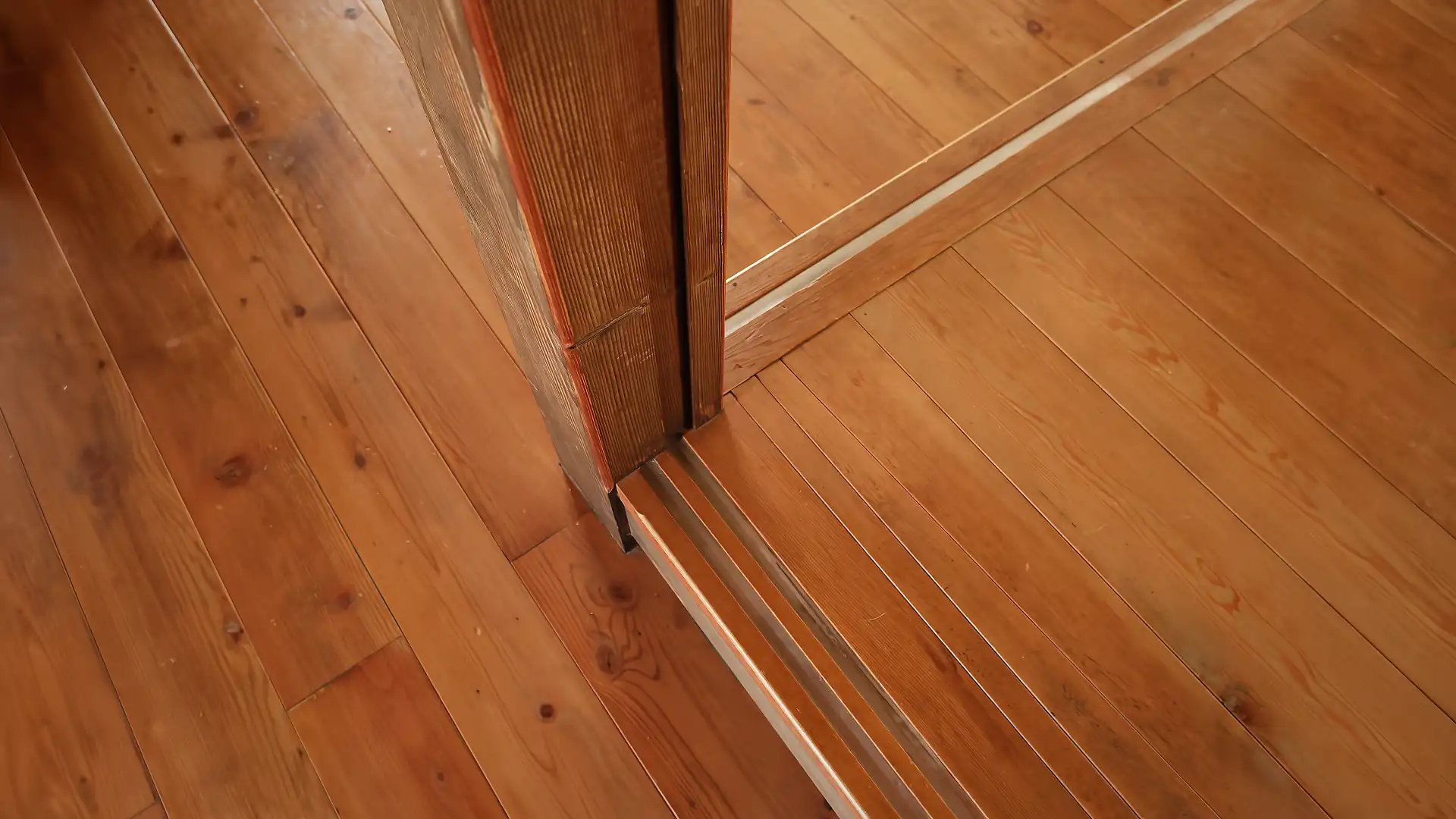
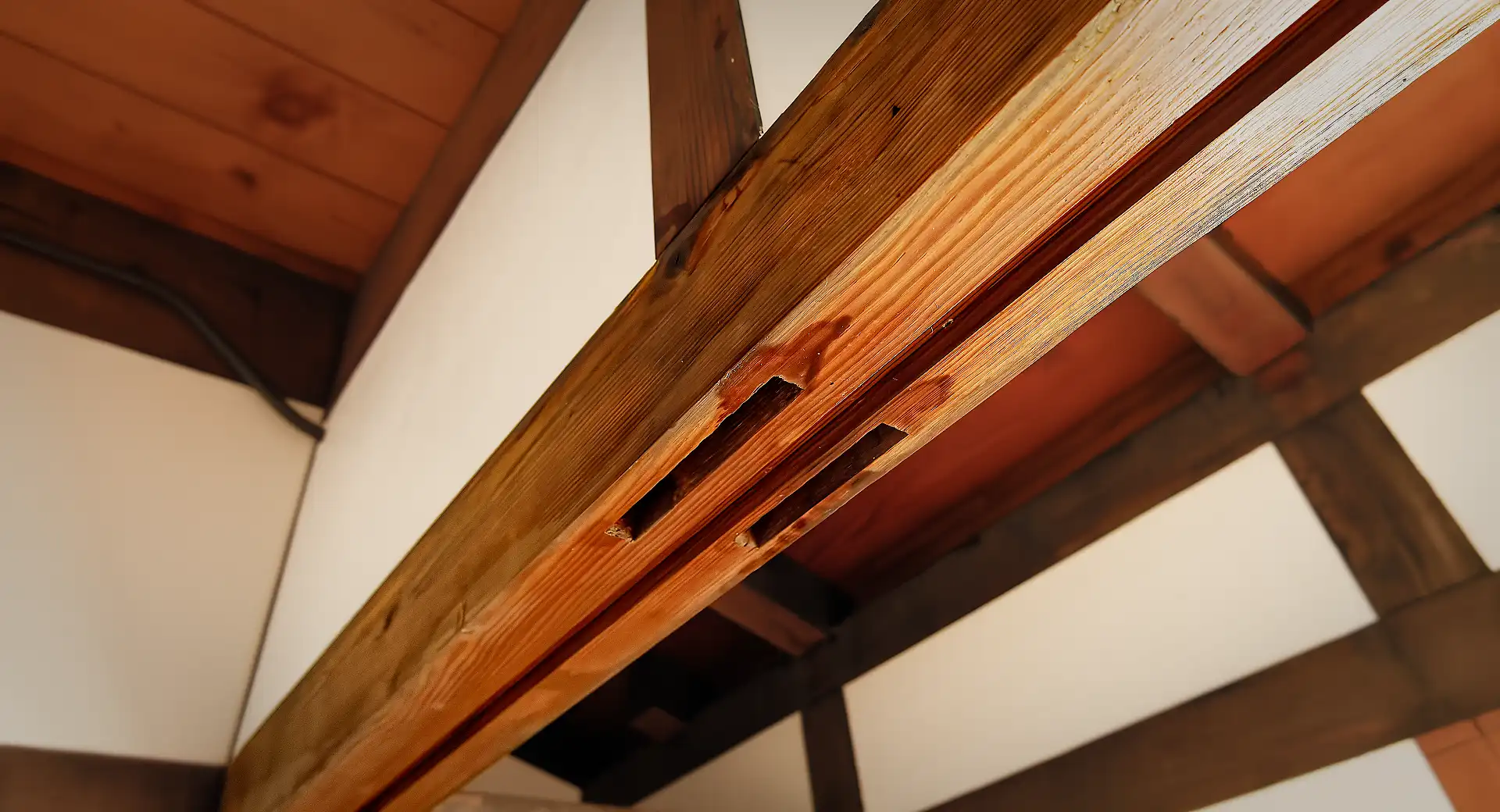
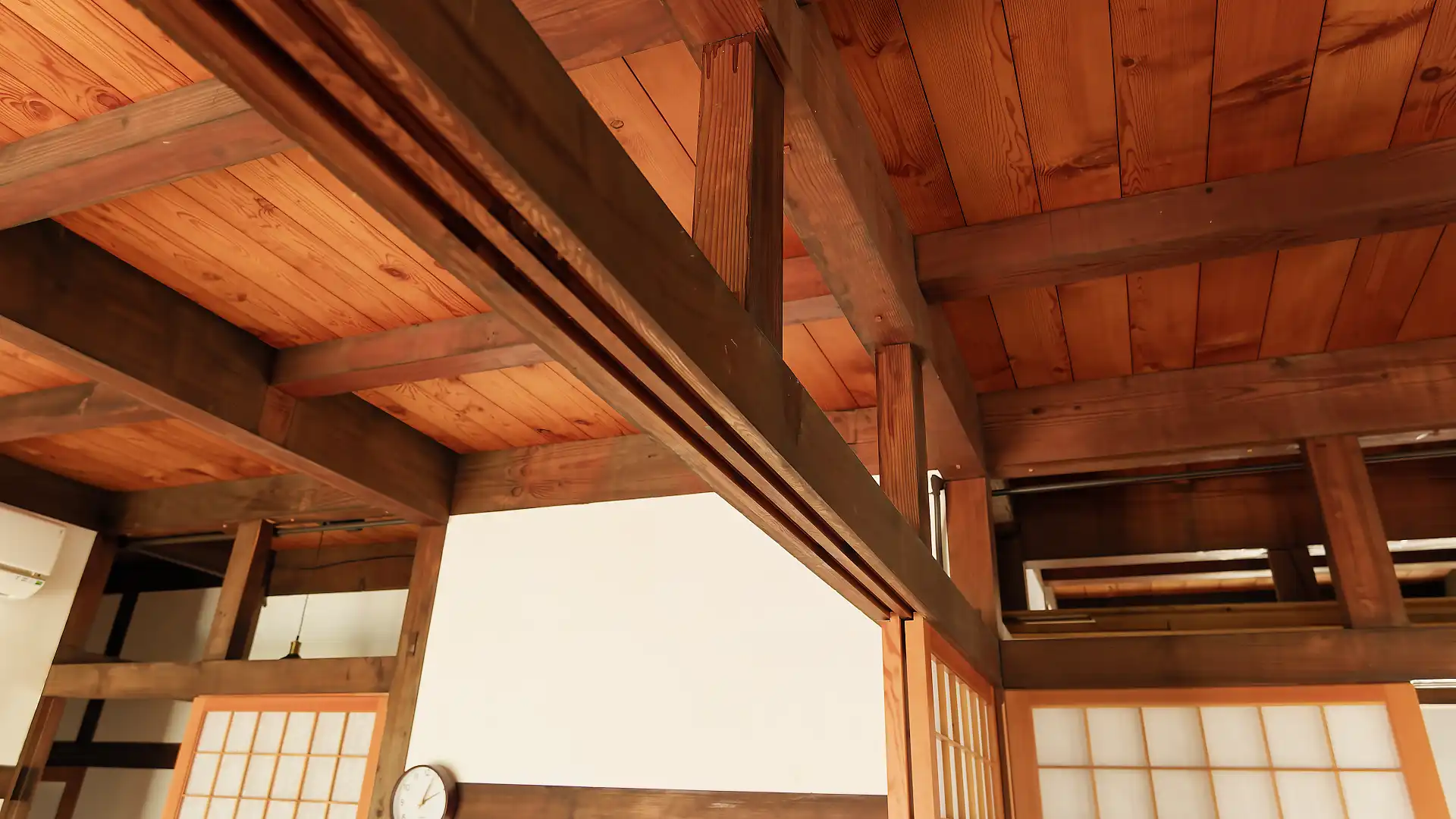
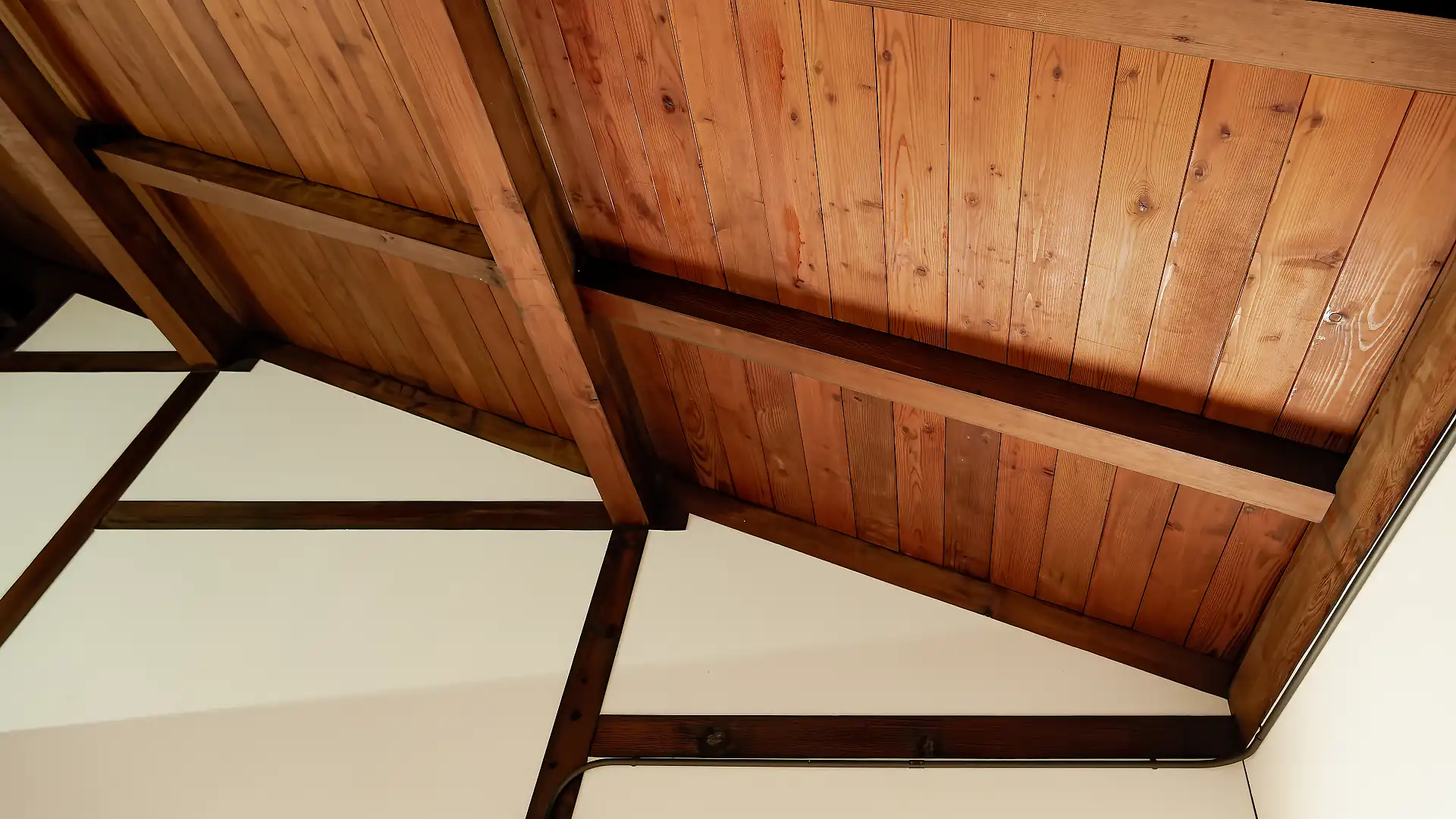
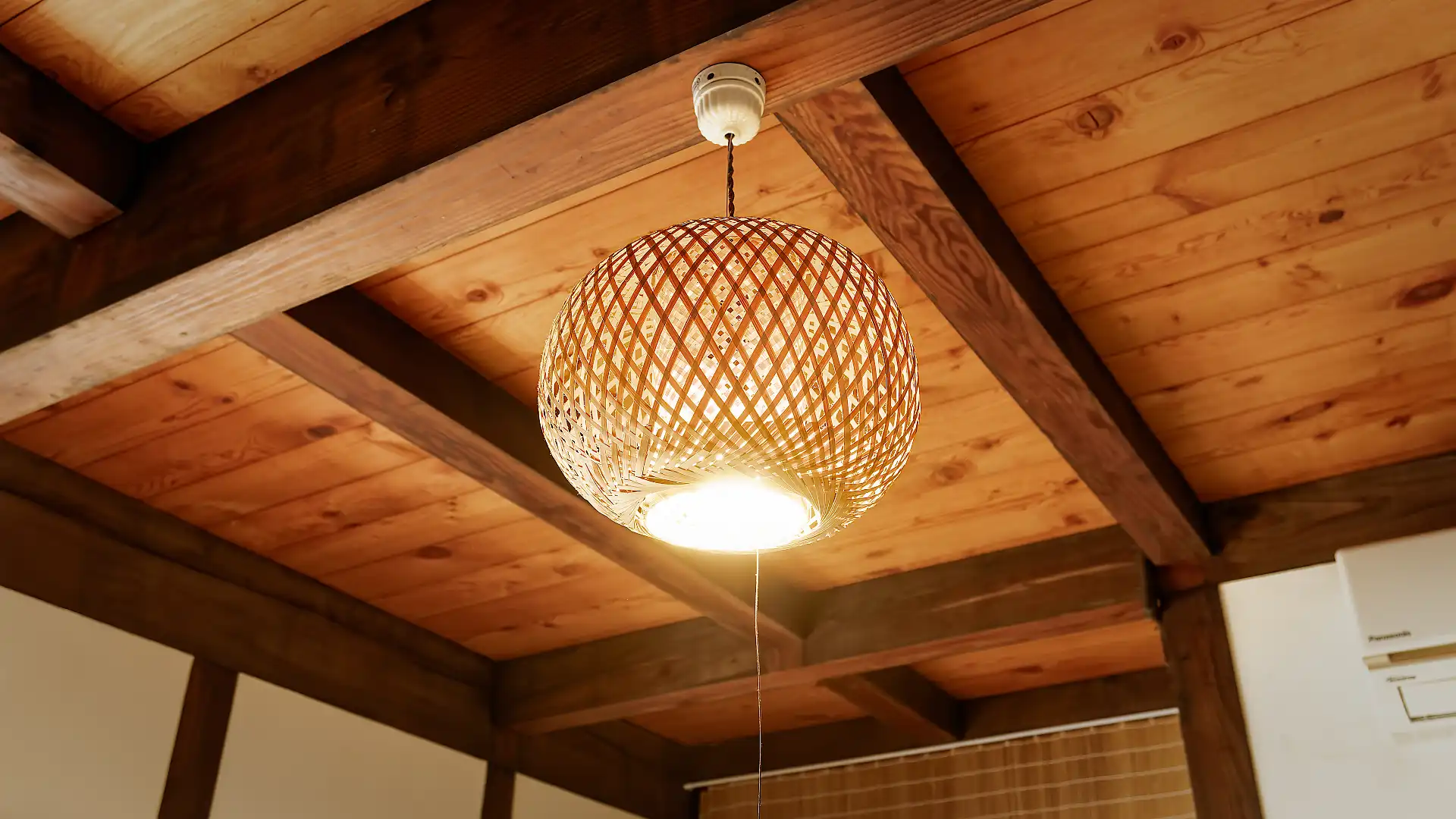
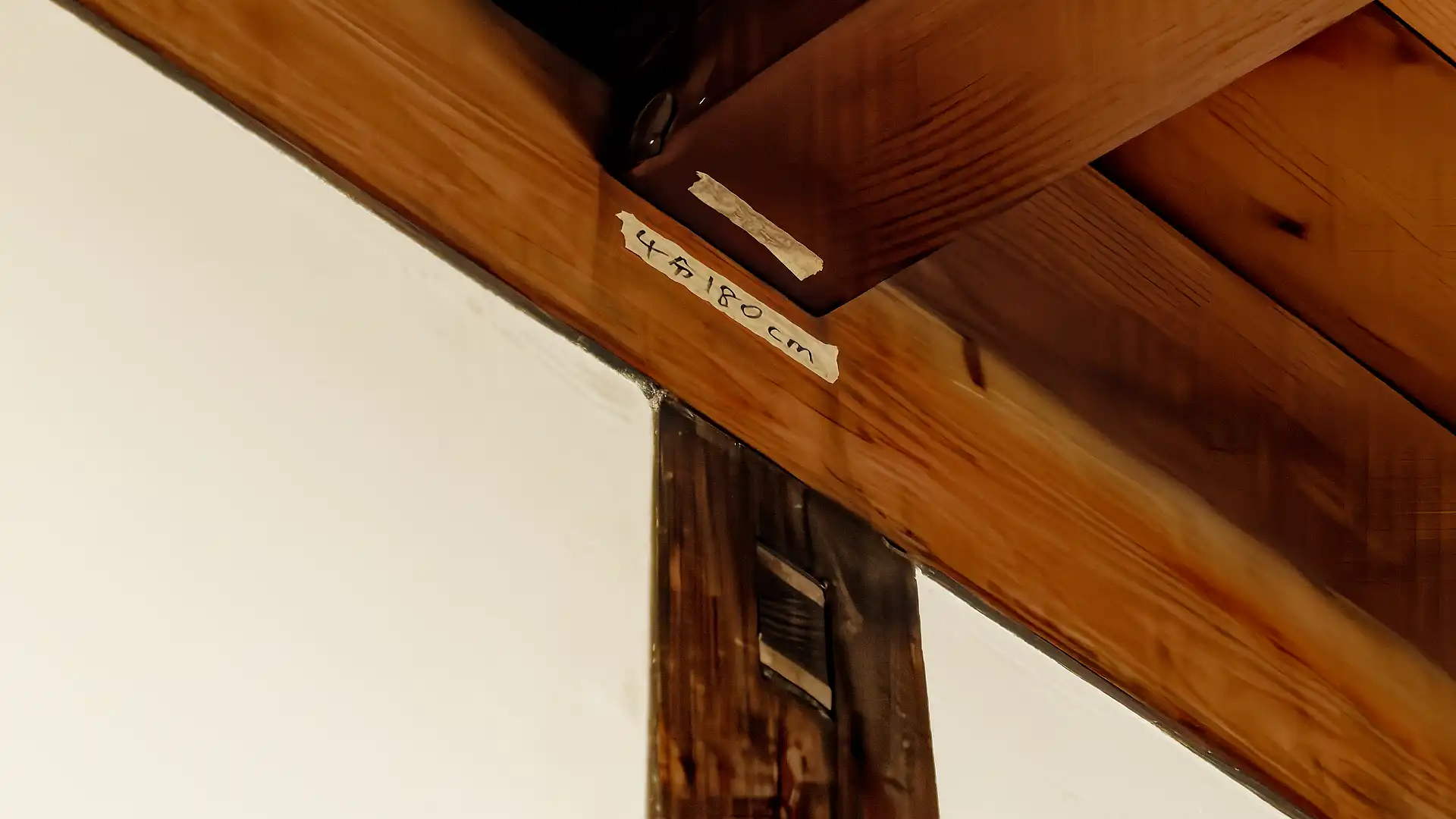
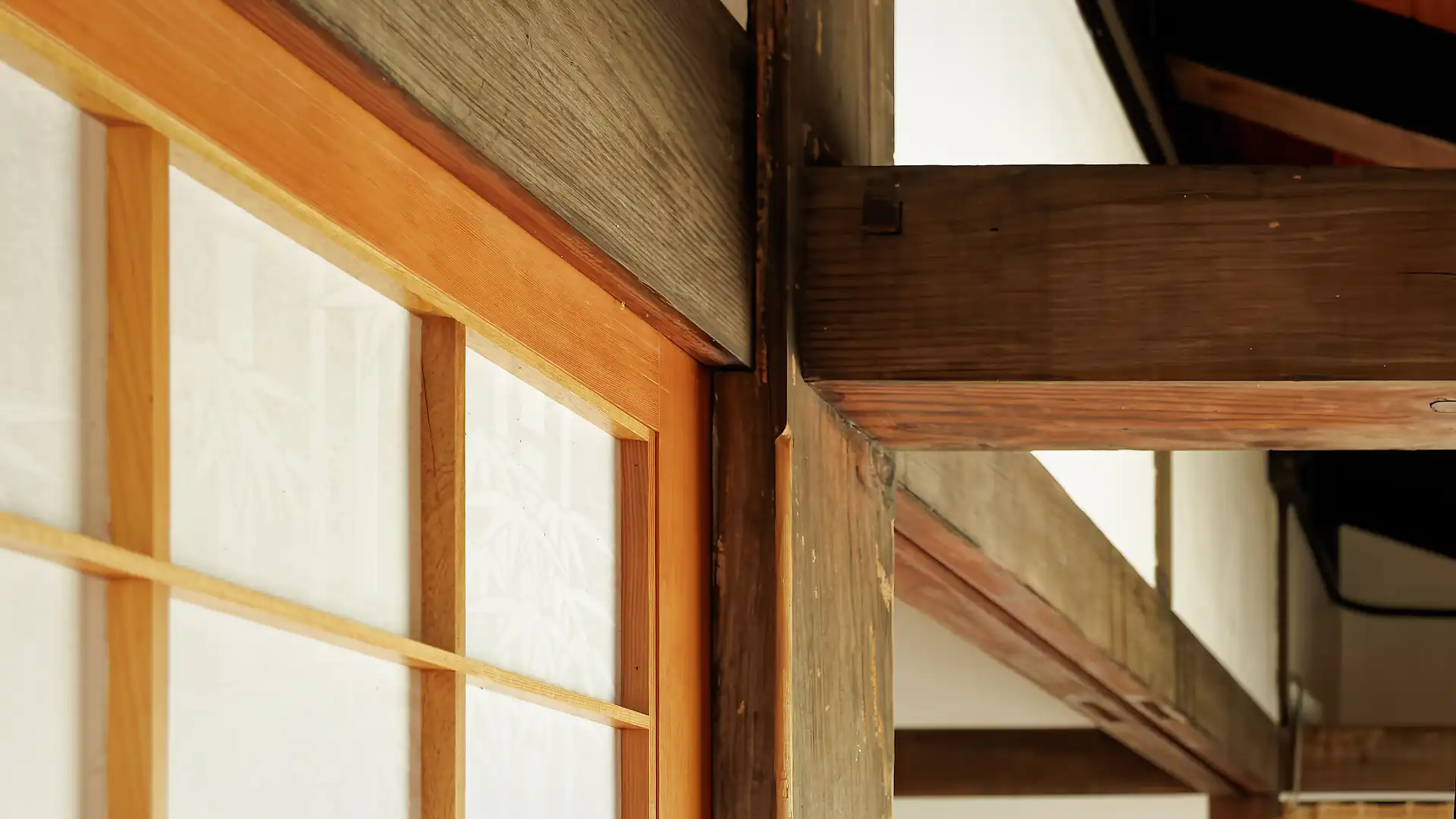
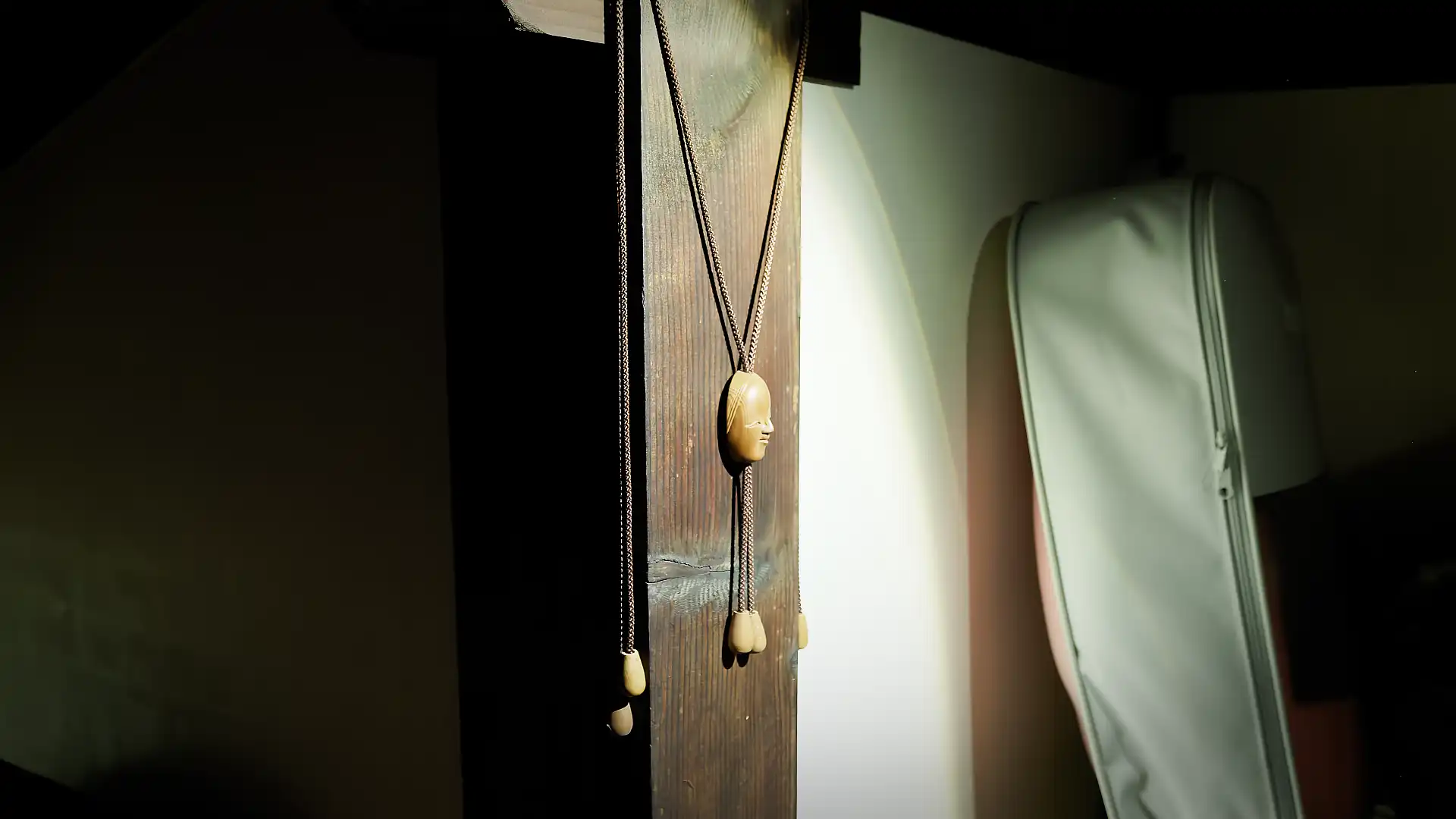
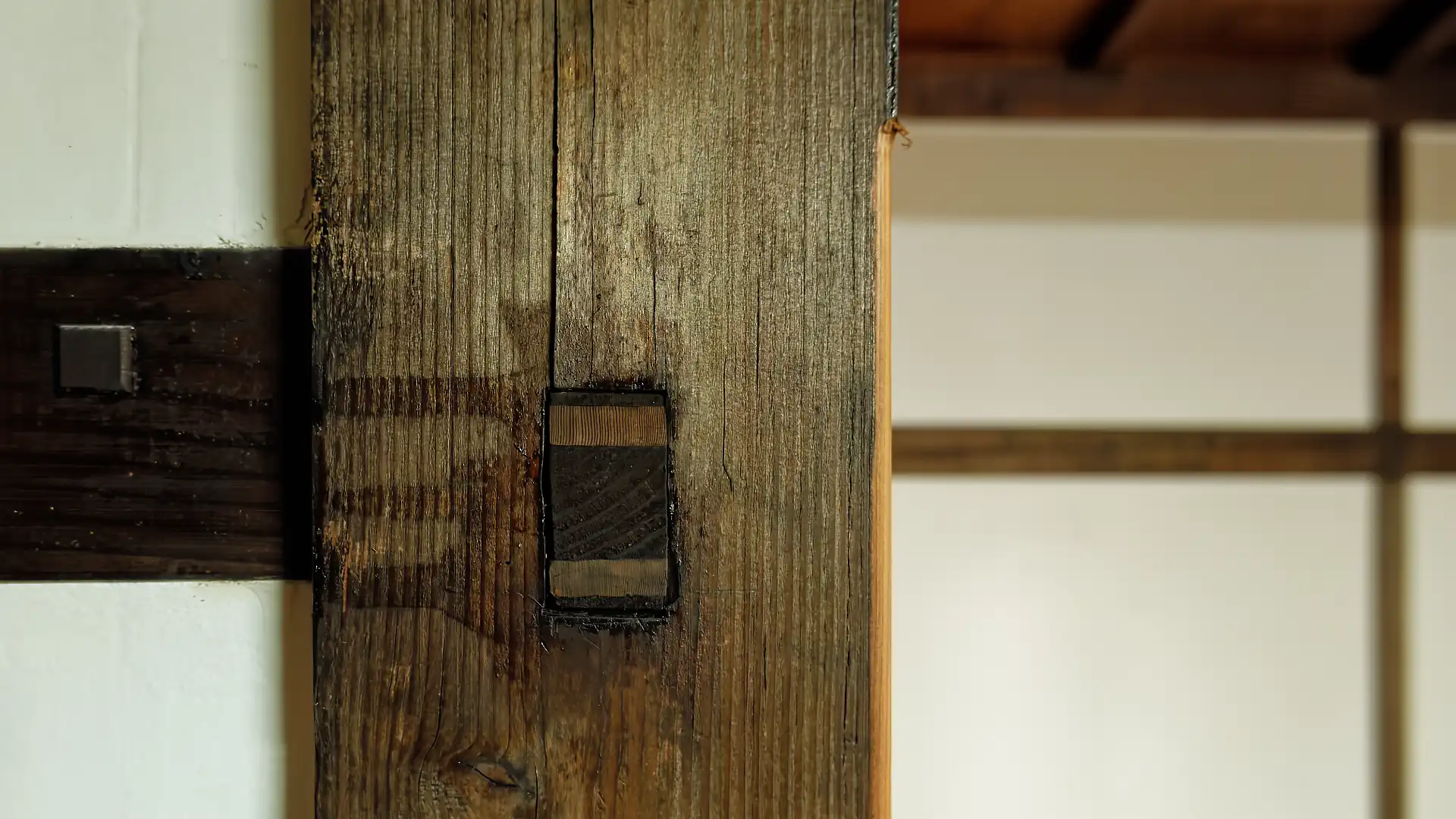
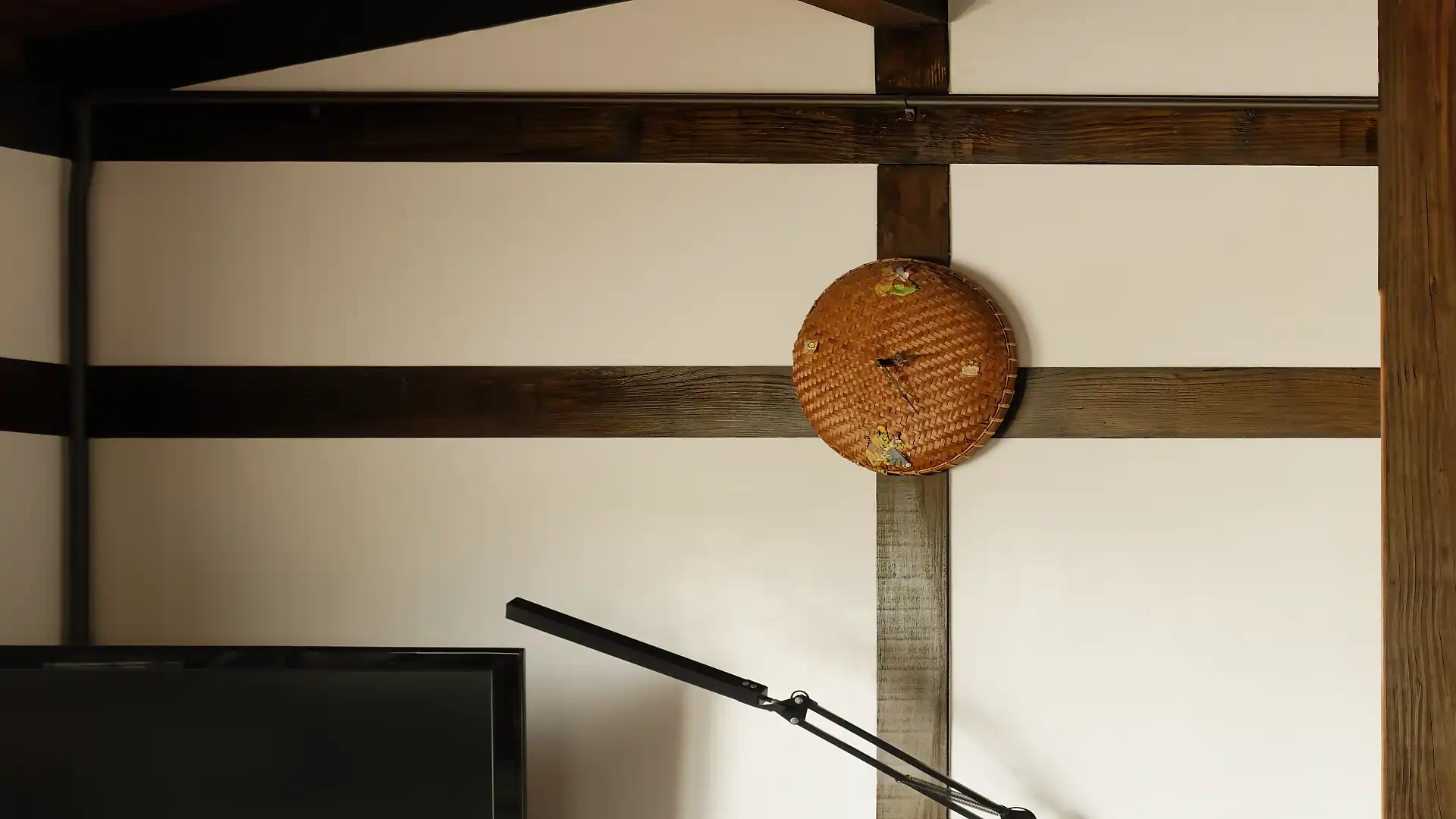
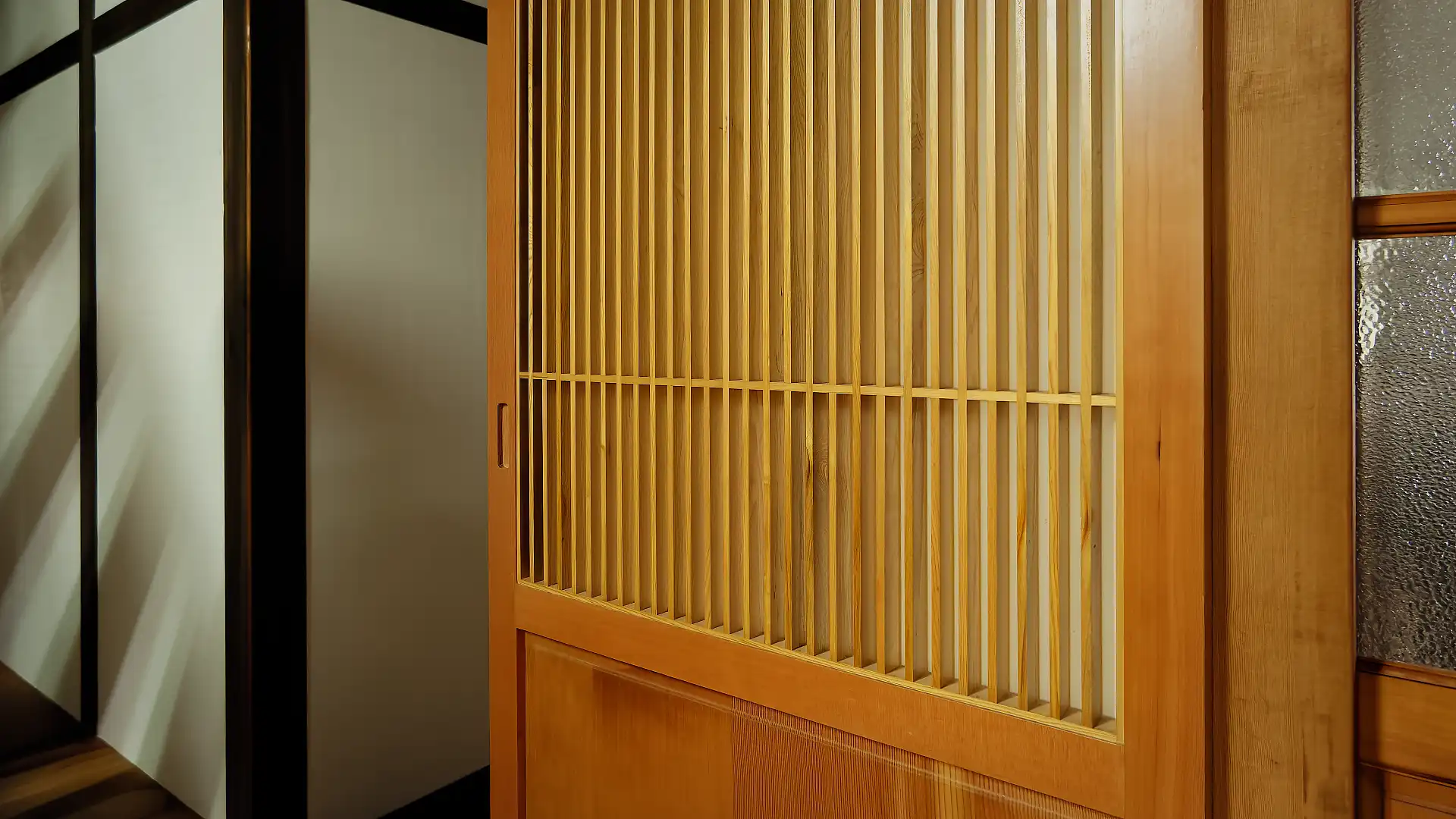
A Book Wooden House is now open for organized tours. Their new website has details. Highly recommended:
A Traditional Chinese translation follows:
以加拿大木材親手打造的日式住宅,座落於台灣小鎮
介紹位於台灣枋寮的「一册大木家屋」……
二十五年前,我還是紐西蘭南部的一名大學生,讀著那些不久後就會被遺忘的課本。與此同時,在九千公里外的台灣南部,一位五十歲的男子也在閱讀——而他所選擇的那本書,卻徹底改變了他的一生。
在這本書中,楊師傅讀到了日本傳統建築工法——以精密的木構榫接相互咬合,讓整棟建築穩固成立。也正是受到這一本書的啟發,楊師傅辭去工作,獨自一人踏上全職、長達數十年的旅程,親手建造一棟屬於自己的日式傳統木屋。
同樣規模的日式傳統住宅,通常需要 21 名工匠、歷時兩年才能完成;相較之下,楊師傅卻花了二十多年,獨力完成。
這棟房子,後來成為位於台灣枋寮鄉的「一册大木家屋」。
今年稍早,我拜訪了楊師傅一家,聽他們分享過往的故事,實地參觀這棟房子,也拍下了大量照片。
而這棟房子近期正式開放團體導覽,正是分享他們故事的好時機……
安定人心的木頭香氣
搭火車前往枋寮鄉(人口約 23,000),從高雄往南約一小時。這裡以漁業與農業為主要產業,但近年來,面對長期的人口外流,也逐漸開始投入觀光發展。
楊師傅的大女兒季淑希望「一册大木家屋」能讓枋寮被更多人看見。
我也這麼認為。
我在枋寮車站與邀請我的共同朋友會合,見到了季淑。接著她開車載我們到她父母家,只需短短幾分鐘。
從外觀看,確實就是一棟日式建築。
一脫鞋、跨過門檻,迎面而來的是一股安定人心的木頭香氣。
主要起居空間是挑高的格局,屋頂線條複雜,從外觀並不容易察覺。
在房間另一側,一張巨大的餐桌橫跨樓梯與廚房之間——由整根樹幹製成,是楊師傅作品的支持者所贈。
季淑也介紹了她的丈夫、三歲的女兒,以及令人敬佩的楊師傅與楊太太。
日式拉門與榻榻米
我們與楊師傅坐在鋪著榻榻米的房間裡,與客廳之間以滑動的日式拉門相隔。這是我第一次坐在榻榻米上。
大家盤腿圍著矮桌,喝茶、聊天,談論這棟房子。
如今七十多歲的楊師傅說,他年輕時在沙烏地阿拉伯工作,當時使用英語;只是幾十年沒用,現在已經生疏了。不過,仍然比我每天使用的中文要好。
於是,我們中英交錯地交談。
當年啟發楊師傅造屋的那本書出現時,楊太太正在經營餐廳。之後楊師傅全心投入建造工程,楊太太則持續經營餐廳,成為這個計畫的經濟與精神支柱。
為了節省開銷,他們曾在尚未完工的房子裡住了五年多的帳篷生活——沒有冷氣、沒有自來水,也沒有室內廚房。
不用鋼鐵、水泥、釘子或油漆
儘管沒有建築或工程背景,楊師傅仍幾乎一手完成了整棟房子。依照書中介紹的日本傳統工法,全屋完全不使用鋼鐵、水泥、釘子或油漆。
所有榫接的精準度必須控制在 1 毫米以內。
牆面則以石灰抹製。
工程最初的十年,主要用於尋找與處理材料,包括作為結構主體的加拿大木材。接下來十年,房子逐步立起並完成防風防雨,於 2020 年達到 95% 完工。
這段期間,也逐漸受到國際關注。建築學校開始帶學生前來參訪;紀錄片團隊持續拍攝施工過程。
台灣公視節目《誰來晚餐》甚至也曾帶著名人來到這裡。
99% 完成
日治時期(1895~1945),台灣偶爾也能見到傳統木造住宅,特別是作為官舍;但約在一百年前,建築風格逐漸轉向現代形式。
一百年後,這棟房子可說是獨一無二。
楊師傅不僅復興了一套技藝,甚至吸引了日本的專家前來交流,形成一種「反向的技術傳承」。
如今,在構想誕生 25 年後,楊師傅住進了一棟美麗而獨特、完成度達 99% 的家。很快地,他也將能安心退休。
完整導覽
榻榻米房或許是最具日式風格的空間,但整棟房子處處可見傳統設計。
從二樓,我們爬上一座特製的木梯通往閣樓。我是目前爬過這座梯子最重的人,全家人都很高興看到踏板在我腳下毫無彎曲。(楊師傅早就知道一定沒問題。)
在閣樓裡,複雜的結構梁架之間,有一塊固定在主樑上的木牌,上面刻著祈求神明庇佑的文字,同時也是一個時間膠囊,記錄著這棟房子的歷史。
季淑示範了如何開啟閣樓的機械式木百葉,利用自然對流為樓下降溫。
回到二樓,還有一個俯瞰客廳的夾層書房。欄杆設有一個祕密開口,方便大型物件直接吊運上樓,而不必繞過樓梯轉角。
我被挑戰打開這個祕密鎖——當然,整個機構也是純木製成。位置設計得只能摸到、卻看不到。
我們還特地確認季淑的女兒沒有看到操作過程,免得她之後想嘗試。
樓上還參觀了浴室與兩間臥室。(樓下則另有一間浴室與第三間臥室。)
回到一樓,我又面臨另一個挑戰:六塊彼此咬合的木頭。這是一個實際操作的展示,說明楊師傅在全屋使用的榫接工法——同樣精準到 1 毫米。
我自認空間感還不錯,但仍然無法把它們全部組合起來。
極為出色的料理與台灣原住民酒
我們還見到一位家族朋友,她的嗜好是「平板織」一種傳統編織技法,用來製作鑰匙圈與手環。她現場示範,對我這種外行人來說簡直像魔法,最後還堅持送我們每人一份紀念品。
我新的鑰匙圈上,有一個「冊」字,正是屋名中的「書」,反面是「吉」字。
午餐在餐廳進行,楊太太準備了一整桌菜餚,沿著那張極長的餐桌鋪展開來。
我們享用了極為美味的料理,搭配台灣原住民釀造的酒。
之後,季淑帶我們在枋寮走走。她指著一座在地廟宇,說明這裡仍透過廣播系統向全鎮播放公告,每次只要 100 元台幣(約 5 紐幣),內容可能是市場特價或社區消息。這是一項屬於枋寮的傳統——就像「一册大木家屋」一樣,來自另一個時代。
但「一册大木家屋」並不只是歷史奇觀。它是一棟美麗、精巧、溫暖且充滿啟發性的建築。在枋寮待了一天後,我已無法想像這個小鎮沒有它的樣子。
我在這棟房子裡拍了 236 張照片。下面展示了其中的 60 張。
感謝楊家人的招待及分享這個美麗的房子!
「一册大木家屋」現已開放團體導覽參觀。更多詳情請見其全新官方網站。